Last updated November 21, 2026
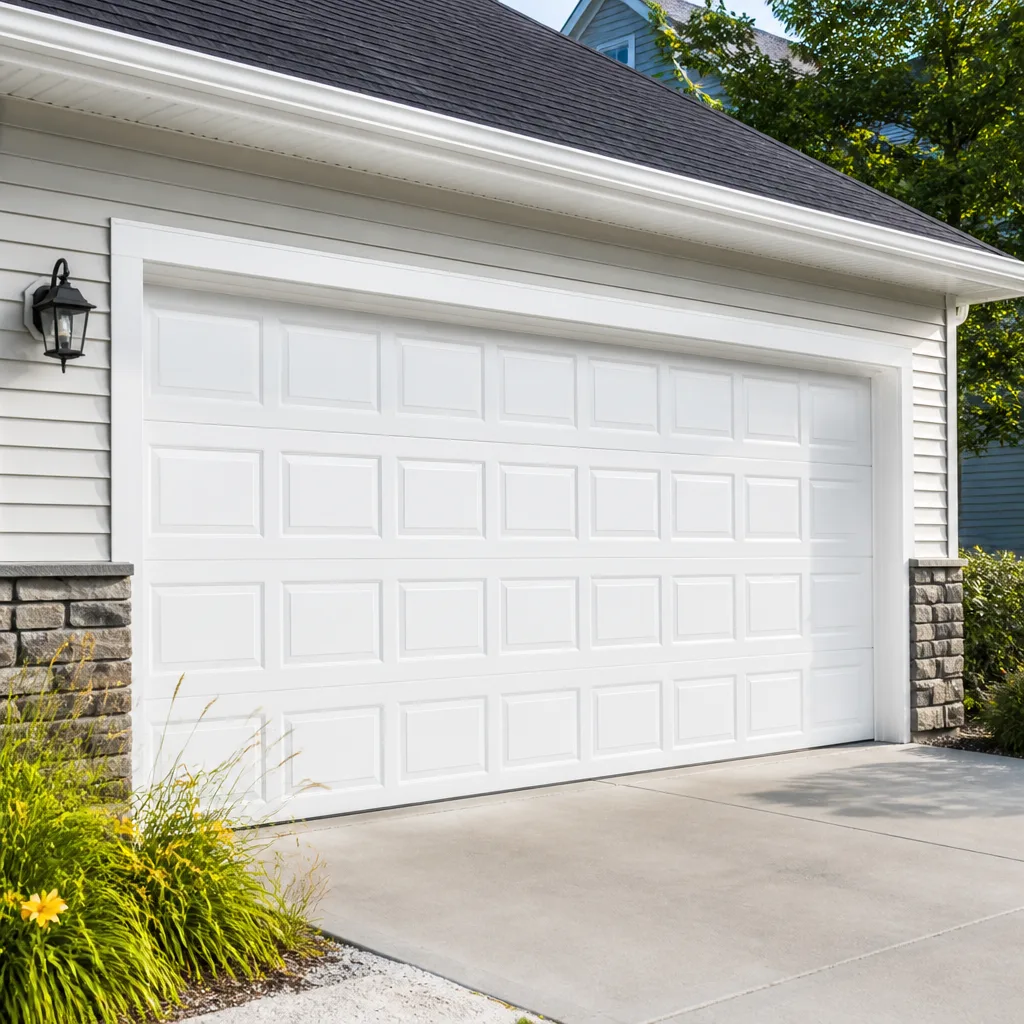 Raised-panel steel
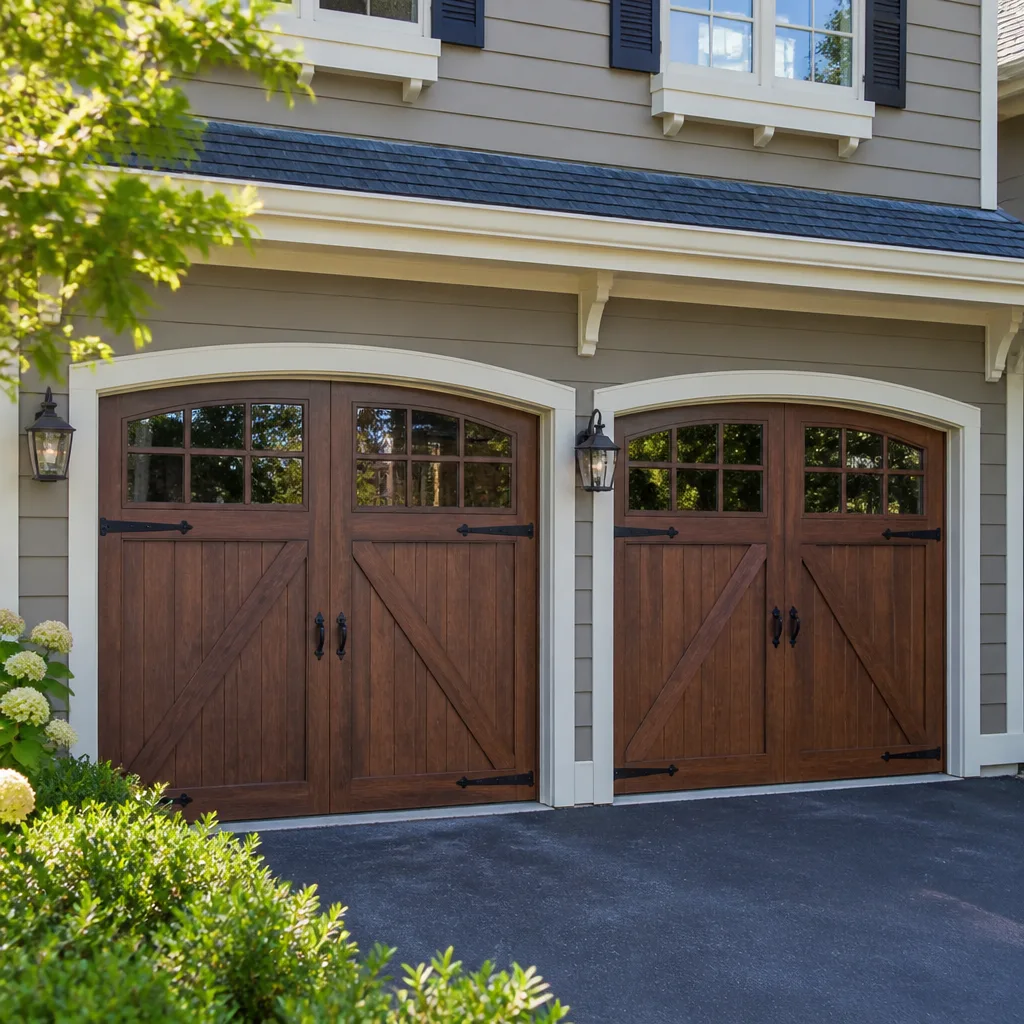 Carriage house
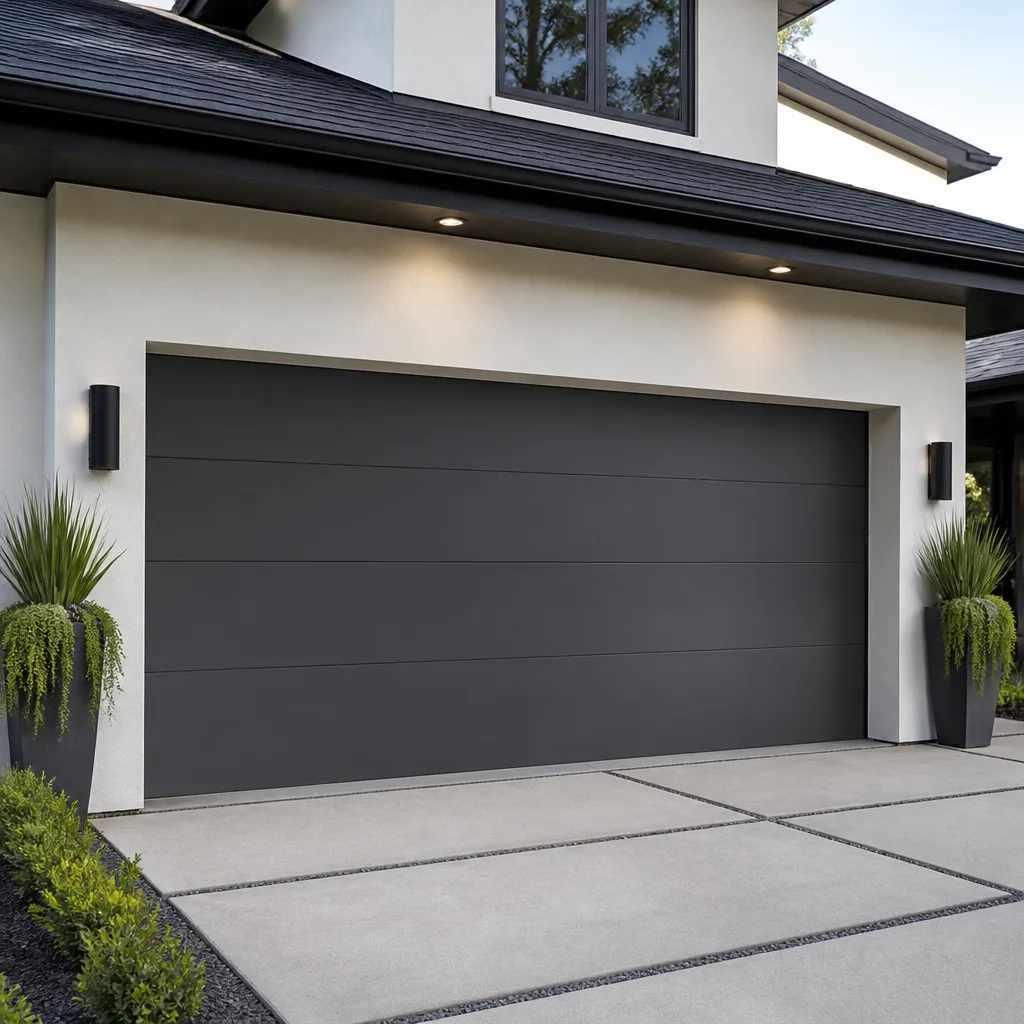 Modern flush
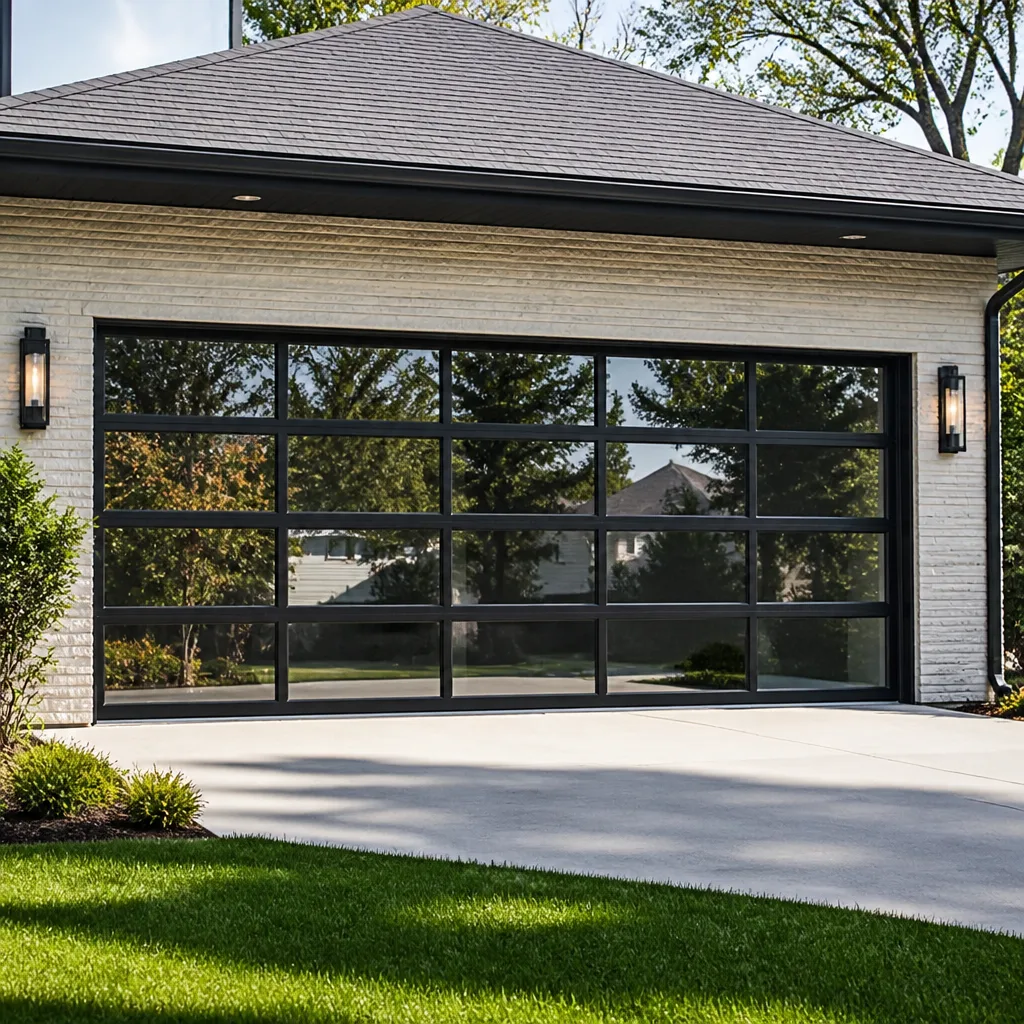 Full-view glass
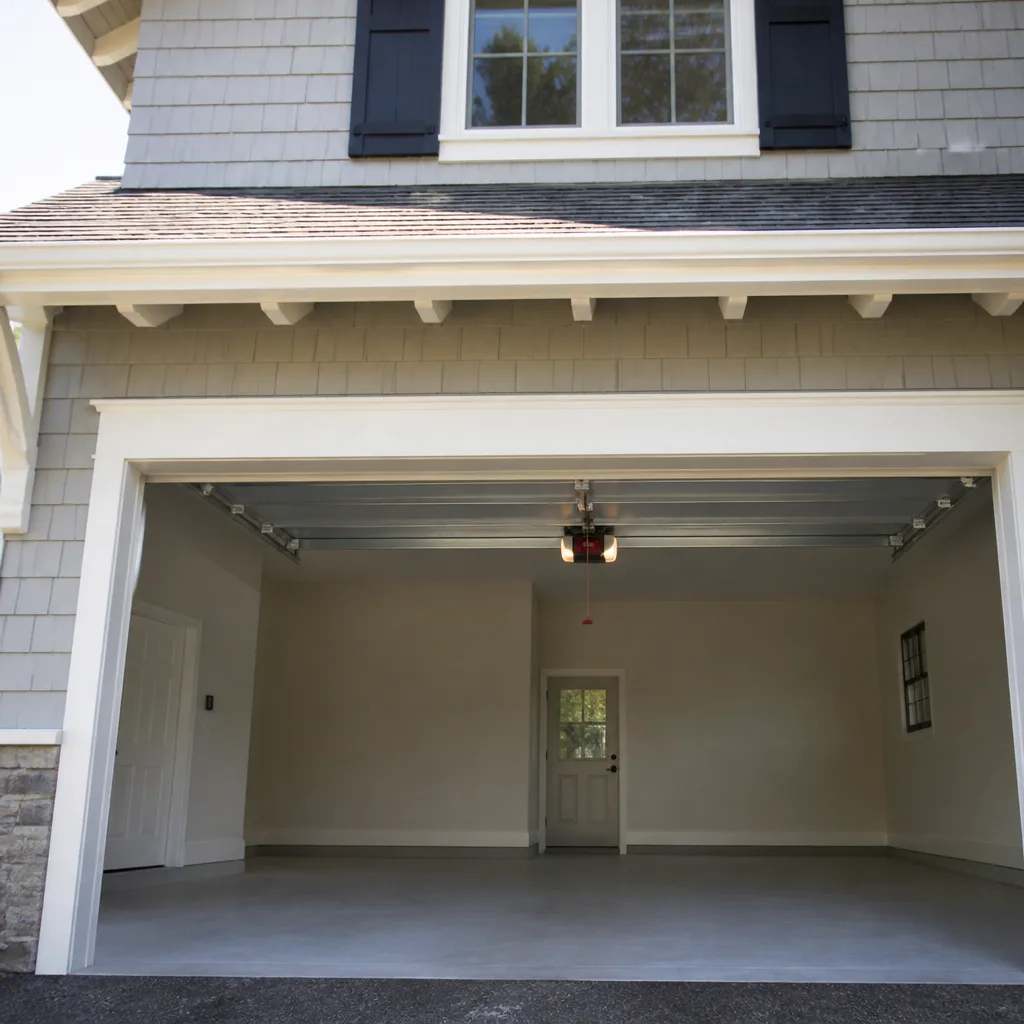 LiftMaster openers
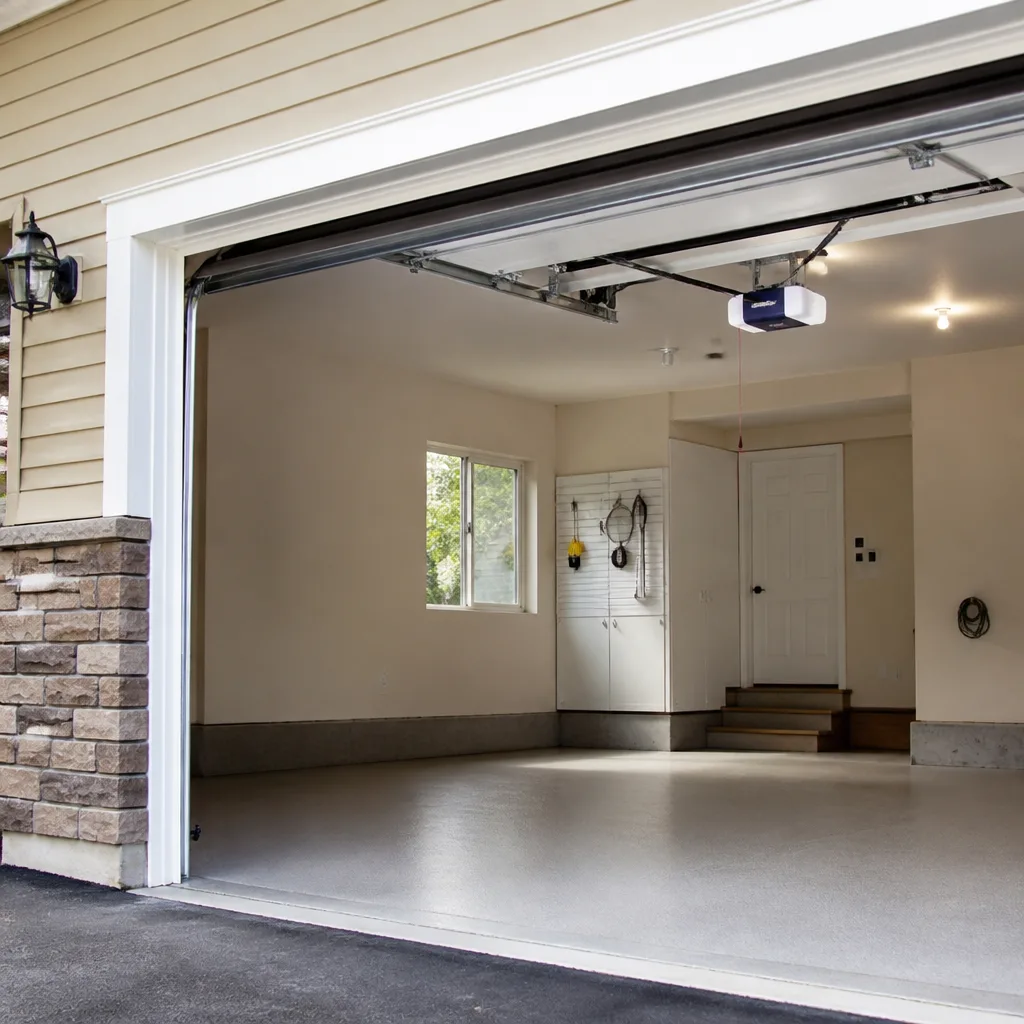 Chamberlain openers
Full 25-point door and opener safety check with every visit - springs, cables, rollers, tracks, and your LiftMaster or Chamberlain opener included
You get a price before we start. It does not change when the pro arrives.
Get your free estimateMost garage door problems don’t need a technician. A handful of them absolutely do, and the line between the two isn’t about how handy you are. It’s about which specific tasks carry injury risk or can void a manufacturer’s warranty, and which ones you can finish in ten minutes with a lubricant can and a screwdriver. This guide walks through that line task by task. You’ll learn what’s safe to handle yourself, why torsion springs are a different category of risk entirely, and when a call to a Parma garage door company saves you money instead of costing it.
Quick Answer
Lubrication, safety sensor alignment, weatherstrip replacement, and opener programming are safe DIY garage door tasks in Parma. Torsion spring replacement, cable work, and track replacement are not. Those three carry severe injury risk and should go to a trained professional. Everything else falls somewhere in between and depends on your comfort level and the door’s age.
Table of Contents
- The DIY vs Professional Decision Matrix
- What You Can Safely Do Yourself
- Why Torsion Spring Work Stays Off the DIY List
- Opener Programming and Sensor Alignment Without Tools
- How DIY Repairs Affect Your Warranty
- Professional Repair Cost vs the Cost of a DIY Mistake
- What Makes Parma Garage Doors Different
- Common Mistakes to Avoid
- When to Call a Professional
The DIY vs Professional Decision Matrix
The fastest way to decide whether to pick up a wrench or pick up the phone is to sort the job by what can actually go wrong. Most garage door maintenance is low-risk busywork. A few repairs are genuinely dangerous no matter how many YouTube videos you’ve watched.
Here’s how the tasks break down for a typical Parma home:
- Lubrication: DIY. Hinges, rollers, and the torsion bar tube benefit from a garage-door-specific lubricant once or twice a year.
- Safety sensor alignment: DIY. The two photo-eye sensors at the bottom of the tracks need a clear line of sight and a steady indicator light.
- Weatherstrip replacement: DIY. The rubber seal along the bottom of the door pulls out and slides back in. Same for the perimeter trim if it’s the nail-on style.
- Opener remote and keypad programming: DIY. Every Chamberlain, Genie, LiftMaster, and Craftsman opener has a learn button and a documented pairing sequence.
- Panel replacement: Professional. A single dented section of a Clopay or Amarr door can seem like a swap, but panel weight, spring balance, and hinge alignment all shift when a section comes out.
- Track replacement or realignment: Professional. Tracks are structural. A bent track that gets hammered back into place usually fails again and takes rollers with it.
- Cable replacement: Professional. Cables are under extreme tension and can whip when they release.
- Torsion spring replacement: Professional. This is the one task we’d put in its own category entirely. More on that below.
If you’re sorting through a repair and you’re not sure which category it lands in, the answer is usually to have someone look at it. A free estimate in Parma is cheaper than guessing wrong on a tensioned part.
What You Can Safely Do Yourself
We’re not going to pretend everything needs a service call. Plenty of garage door upkeep is straightforward, and a homeowner who knows their door will catch small problems before they become expensive ones. We’d rather you handle the easy tasks and save your service call for the work that actually needs it.
Here’s the maintenance list that genuinely belongs in the DIY column:
- Lubricate hinges and rollers twice a year. Use a lubricant made for garage doors, not WD-40. Spray the hinge pivot points, the roller stems, and the torsion tube bearing plates. Skip the tracks themselves; those stay dry so the rollers don’t slip.
- Test the safety reverse monthly. Put a two-by-four flat on the ground under the closing door. The door should reverse on contact. If it doesn’t, the opener’s force limit needs adjusting, or the opener itself is failing.
- Clear the photo-eye sensors. Wipe the lenses and check that both indicator lights are solid. Parma’s winter road salt film and summer pollen both fog these up, and dirty sensors cause more phantom “door won’t close” calls than any other single issue.
- Replace the bottom weather seal. If you can see daylight under the closed door, the seal is worn. The replacement slides into the aluminum retainer along the bottom edge and needs no tools beyond a pair of pliers.
- Program a new remote or keypad. Press the learn button on the opener, then press the remote button within thirty seconds. Chamberlain and Craftsman openers follow this pattern; Genie and LiftMaster models vary slightly but stay in the same family.
- Tighten loose hinge bolts. A socket wrench and a few minutes will silence most rattles.
What all six of these have in common: none of them involve releasing tension on a moving part. That’s the dividing line. Once you’re working against a spring or a cable, the job moves to the next section.
Why Torsion Spring Work Stays Off the DIY List
Here’s the physics. A torsion spring is a coiled steel bar held under a set number of turns, usually between seven and nine for a standard residential door. Those turns store enough energy to lift a door that weighs between 100 and 300 pounds. When you loosen the set screws on a winding cone, that stored energy has to go somewhere. If the bars slip before you’ve released the tension in a controlled way, the spring unwinds in a fraction of a second and takes whatever’s in its path with it.
The failure mode isn’t the spring breaking. It’s the spring releasing while someone’s hand, arm, or face is in the winding cone’s path. That’s the specific hazard most DIY guides don’t explain clearly enough. It’s not about whether you’re strong enough to turn the winding bars. It’s that a mistake at the wrong moment gives you no time to react.
There’s a second issue: the proper tools. Torsion springs require two winding bars sized to the cone, and getting the turns right requires counting them exactly. Too few turns and the door won’t lift. Too many and you’re adding energy beyond what the spring was rated for, which shortens its life and can snap it. Without the right bars and the knowledge of how many turns the door needs, you’re working blind against a loaded part.
This is why spring repair is its own dedicated service rather than an add-on. Our technicians have up to 8 years of experience on exactly this work, and every spring job in Parma starts with an honest conversation about what the door needs. If you’re hearing a loud snap from the garage and the door won’t lift, the spring is almost certainly the cause, and it’s a professional job.
Cables fall into the same category. A torsion cable runs under a few hundred pounds of tension. When it fails or releases unexpectedly, it swings with enough force to break a wrist. Cable replacement belongs in the professional column every time.
Opener Programming and Sensor Alignment Without Tools
The opener side of your system is the safest place to start if you want to handle something yourself. These tasks are usually tool-free and reversible, which is why they land squarely in the DIY column.
Programming a remote or keypad takes three steps on almost every brand:
- Locate the learn button on the back or side of the opener motor housing. It’s usually a small colored button near the antenna wire.
- Press and release it once. A light nearby will blink or turn on, signaling that the opener is in pairing mode.
- Within thirty seconds, press the button on your remote or enter the code on your keypad. The opener will click or the light will flash to confirm.
Chamberlain, LiftMaster, Genie, and Craftsman all follow this pattern, with minor variations in button color or light behavior. If your opener doesn’t respond, the remote battery is the first thing to check, not the opener itself.
Sensor alignment is equally simple. The two photo-eye sensors sit at the bottom of each track, roughly six inches off the ground, and need to face each other directly. If the indicator light on either sensor is off or blinking, the receiving eye isn’t seeing the sending eye. Nudge each sensor bracket until both lights come on solid, then tighten the wing nut. If the door still won’t close, check for cobwebs, a dropped leaf, or a stray piece of debris in the beam’s path before assuming the sensor itself is bad. In Parma, the winter buildup of road salt on the lenses causes more of these calls than actual sensor failures.
If the sensors won’t hold alignment, or the opener keeps losing its travel limits, the problem is usually upstream: a failing logic board or a stripped gear inside the opener. At that point, garage door opener repair is the right call, since replacing the opener’s internals isn’t a homeowner task.
How DIY Repairs Affect Your Warranty
Most garage door manufacturers write their limited warranties with language that limits coverage to installation and service by a trained professional. That’s true across the major brands, and it matters if you’re considering a repair on a door that’s still within its coverage window.
Here’s what that means in practice:
- Spring and panel work done yourself can void the manufacturer’s warranty on those components. If the spring was installed by a professional and later replaced by a homeowner, the manufacturer typically has no obligation to honor the warranty on the replacement.
- Opener warranty language often excludes damage caused by incorrect installation or by pairing the opener with a door that’s out of balance. If you install a new opener yourself on a door with a failing spring, the opener’s extra strain is on you.
- Cosmetic panel swaps usually don’t void the warranty on the door’s structural parts, but they can if the panel weight doesn’t match the original spec. A lighter or heavier replacement panel changes the door’s balance and puts extra strain on the springs.
- Weatherstrip and lubrication are maintenance, not repair. Those never affect warranty.
The safest path on any door with active coverage: keep the maintenance DIY, and let the repairs go to a licensed technician. When you’re working on a Clopay, Amarr, or Wayne Dalton door, that door came with warranty documentation. Read the fine print before you start turning bolts.
Professional Repair Cost vs the Cost of a DIY Mistake
Here’s the honest math. A professional spring repair runs a small fraction of what an emergency room visit costs, and the door damage from a failed DIY attempt is often more than the original repair would have been.
Typical estimated ranges for common garage door work in Parma:
| Job | Typical professional cost | DIY failure cost |
|---|---|---|
| Torsion spring replacement (one spring) | Moderate – call for a written estimate | ER visit, door damage, possible opener damage |
| Opener repair | Moderate – call for a written estimate | Replacement opener cost if the wrong part is swapped |
| Track realignment | Moderate – call for a written estimate | New track and roller set, or a stuck door |
| Cable replacement | Moderate – call for a written estimate | Injury risk, panel damage, spring overload |
| Panel replacement | Moderate – call for a written estimate | Voided warranty, balance problems |
| Lubrication and weatherstrip | DIY | No real consequence if done correctly |
We don’t publish fixed prices here because every door is different, and the written estimate is what matters. What we can say plainly: the cost of a professional spring repair is measured against a very different number if the job goes wrong. An ER visit with imaging usually runs into the thousands. Replacing a bent door panel after a spring event can cost more than the repair itself.
The other thing worth knowing: we can work with your insurer if a DIY attempt causes damage that’s covered. But that’s the fallback scenario, not the plan.
What Makes Parma Garage Doors Different
Parma homes are mostly post-war builds with attached garages, which means most garage doors here sit close to the street and face year-round weather without much shelter. That pattern shapes what actually fails on Parma doors.
Winter is the busy season. Road salt kicked up from the driveway clings to the bottom panel and the weather seal, and the freeze-thaw cycle in Northeast Ohio works the wood trim and the door’s bottom edge. Springs don’t like extreme cold either; steel gets more brittle when the temperature drops below freezing, which is why spring failures cluster in January and February. Lubrication before the first cold snap stretches spring and roller life more reliably than anything else you can do.
Summer brings a different set of calls. Doors that sit in direct afternoon sun on the west side of a Parma house can warp slightly at the bottom panel, and that misalignment throws off the sensor line and the door’s balance. Homeowners often assume the opener is failing when the door itself has shifted enough to trigger the safety reverse.
The housing stock matters too. Older Parma garages sometimes have non-standard sized doors, and that’s where brand familiarity earns its keep. We’re certified to work on eight of the most widely installed garage door and opener brands in the country: LiftMaster, Chamberlain, Genie, Clopay, Amarr, Wayne Dalton, Craftsman, and Raynor. When we show up for a spring, opener, panel, or full door job, the system isn’t a surprise. The technician already knows the door.
Common Mistakes to Avoid
Here are the mistakes we see homeowners make most often, in the order they come up:
- Treating a broken spring as a DIY job. Every so often a homeowner manages the repair. The other outcome is the one that sends people to the ER. There’s no middle ground here.
- Using WD-40 on the tracks. Tracks should stay dry. Lubricating them makes the rollers slip and the door won’t travel smoothly. Garage-door lubricant goes on hinges and rollers, not tracks.
- Ignoring the safety reverse test. The month you skip testing is the month the force limit drifts. Test it once a month with a two-by-four on the ground and adjust if the door doesn’t reverse.
- Pushing a bent track back into place with a hammer. Tracks need to be straightened to within a fraction of an inch. Hammering a bent track usually makes it worse and damages the rollers in the process.
- Replacing a single panel without checking balance. A new panel of slightly different weight throws off the door’s balance and puts extra strain on the springs. It’s a professional job for a reason.
- Pairing a new opener with a door that’s out of balance. This is the most common opener failure in Parma. The opener does the door’s work because the springs aren’t lifting their share, and the opener eventually gives out. Fix the door first.
- Ignoring a slow-closing door in cold weather. That’s often the first sign of a spring losing tension. Catch it before it snaps, and the repair is a service call. Miss the sign, and you’re in the emergency repair category.
When to Call a Professional
Call a professional when the job involves springs, cables, tracks, panels, or the opener’s internals. Call immediately if the door won’t open or close at all and a car is trapped inside.
The specific scenarios that need a technician:
- A loud snap from the garage, followed by a door that won’t lift
- A visibly broken spring, or a gap in the coil
- Any frayed or kinked cable
- A door that’s come off its track or is hanging crooked
- Sensors that won’t hold alignment after adjustment
- An opener that runs but the door doesn’t move
- A door that reverses without obstruction
Emergency service is available for the situations that can’t wait, like a stuck door or a broken spring that leaves the house unsecured. For everything else, a garage door repair appointment handles it well. Parma Garage Door Repair Co offers free estimates in Parma and will put the price in writing before any work starts. Call (844) 900-3998.
Styles & brands we work with
- Raised-panel steel
- Carriage house
- Modern flush
- Full-view glass
- LiftMaster openers
- Chamberlain openers
Frequently Asked Questions
No. Torsion spring replacement requires winding bars, exact turn counts, and the ability to release stored tension safely. The failure mode is a loaded steel coil unwinding in less than a second, and it can cause serious injury. Every spring repair in Parma belongs with a trained technician. Call (844) 900-3998 for a free estimate.
Spring repair is priced by estimate after a technician looks at the door, since spring size, door weight, and turn count all affect the work. A matched pair is usually replaced together, so a pair costs roughly twice a single spring. The written estimate sets the final price, and we put it in writing before any work starts. Call (844) 900-3998 for an exact quote.
It can, depending on the manufacturer and the part. Spring, panel, and opener warranties usually exclude work done by a homeowner, especially if the repair was done incorrectly. Weatherstrip replacement and lubrication are maintenance tasks and don’t affect coverage. Check the warranty document that came with your door before starting any repair.
Not safely. A door off its track is under load from the springs and the opener, and re-seating it involves working against tension. Attempting it yourself risks injury and usually damages the rollers or the track. This is a professional repair, and it should be done before anyone uses the door again. Call (844) 900-3998 to schedule.
Torsion springs mount horizontally above the door and twist to lift it. Extension springs mount along the sides and stretch. Both are loaded parts and both should be repaired by a professional. Most Parma homes have torsion springs, which is why spring repair is such a common call here.
Ask the City of Parma building department before you schedule a replacement. Most municipalities require a permit for full door replacement, and the rules vary by jurisdiction. We’re happy to walk you through what the process involves. Call (844) 900-3998 and we’ll point you to the right office.
The Bottom Line
DIY garage door work is fine for maintenance: lubrication, weatherstripping, sensor cleaning, remote programming. Those tasks are safe, reversible, and save you a service call. Springs, cables, tracks, and panels belong with a professional every time, and not because we’re gatekeeping. It’s because the physics of a loaded torsion spring leaves no room for a mistake. A professional repair costs a known amount, quoted before the work starts. A DIY spring failure costs an ER visit, a damaged door, and usually a replacement opener on top. Handle the easy tasks yourself, and garage door installation or major repair with a call. The team at Parma Garage Door Repair Co is here when the job moves past your comfort level.
One phone line covers every garage door question in Parma. Call (844) 900-3998 for a free estimate, and we’ll help you sort out what’s a DIY task and what isn’t. Our technicians have up to 8 years of experience across every major brand, and we’ll tell you honestly whether the door needs a repair or just a tune-up.
Parma Garage Door Repair Co connects homeowners with independent local professionals who are licensed and insured as Ohio requires. Estimates are free and written before any work begins.
Written by the team at Parma Garage Door Repair Co.
See the difference
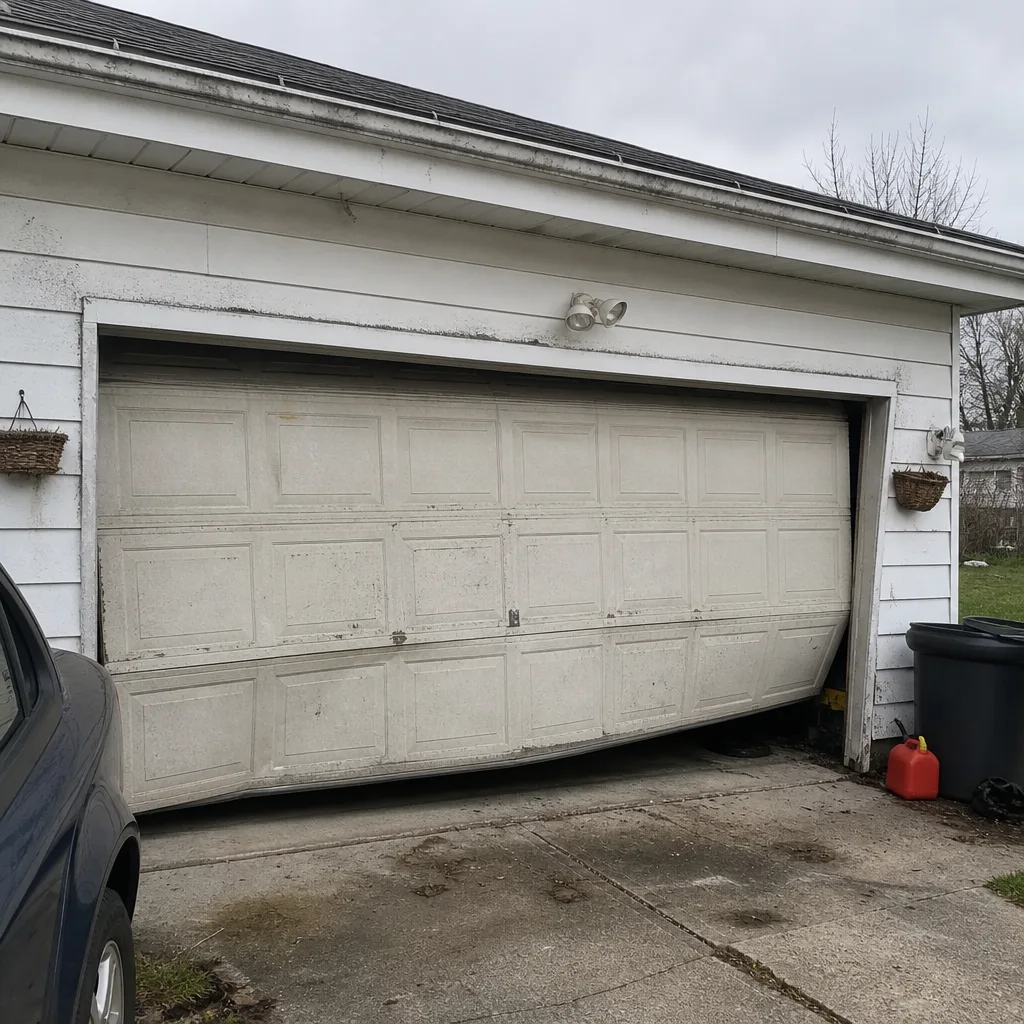 Before
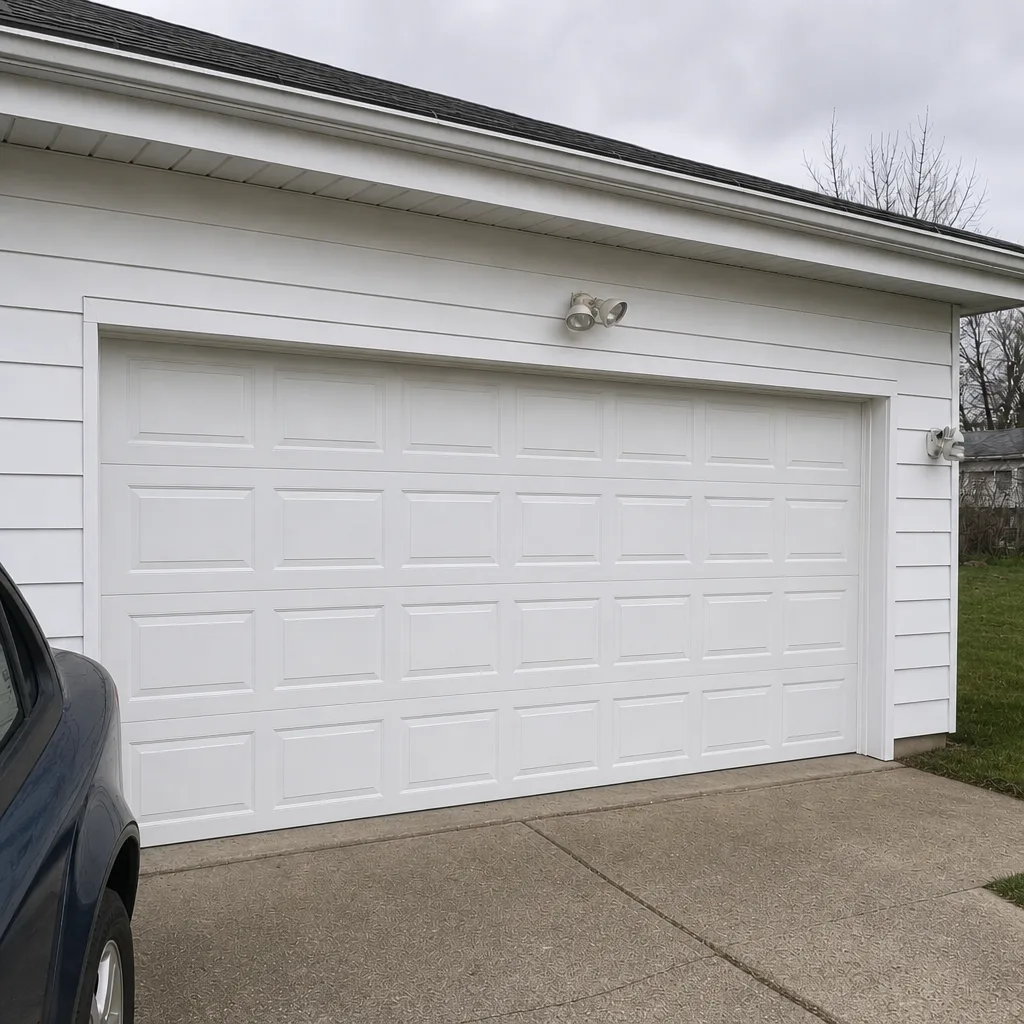 After
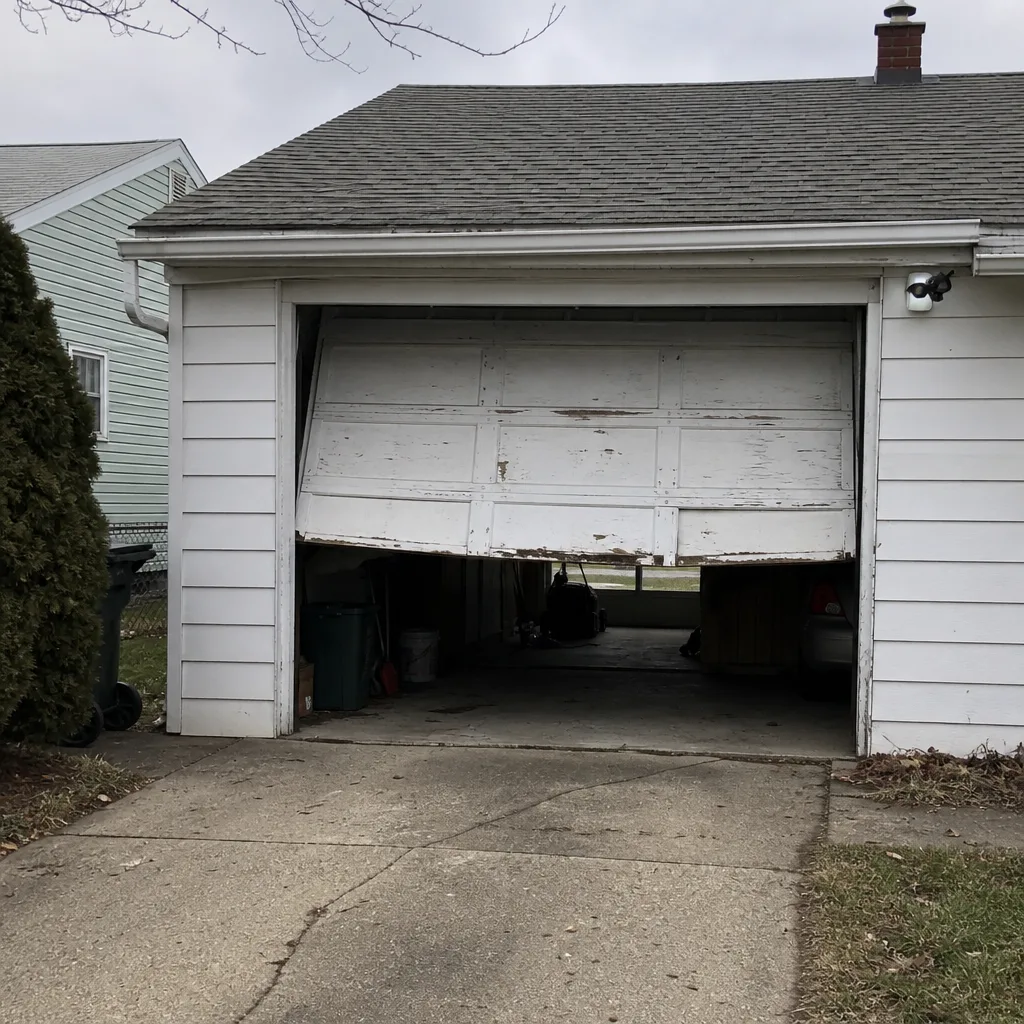 Before
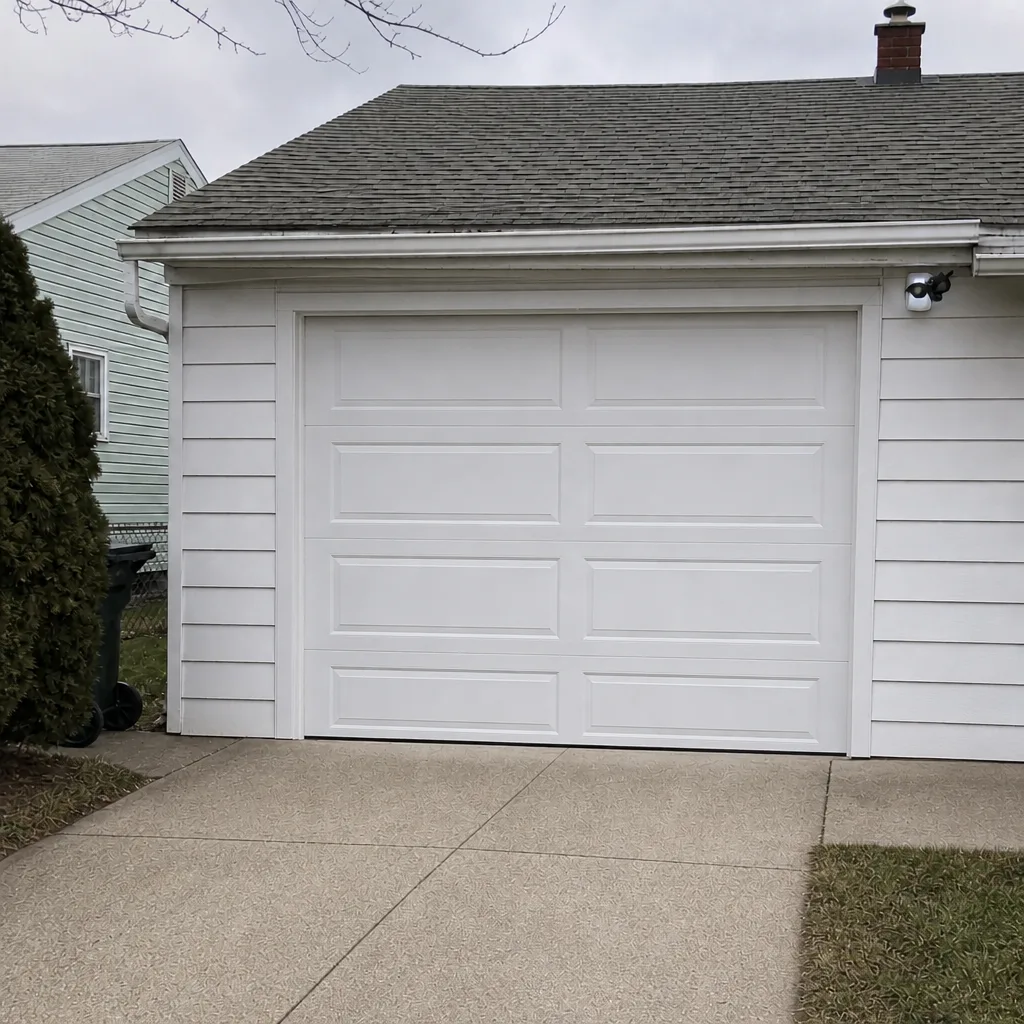 After
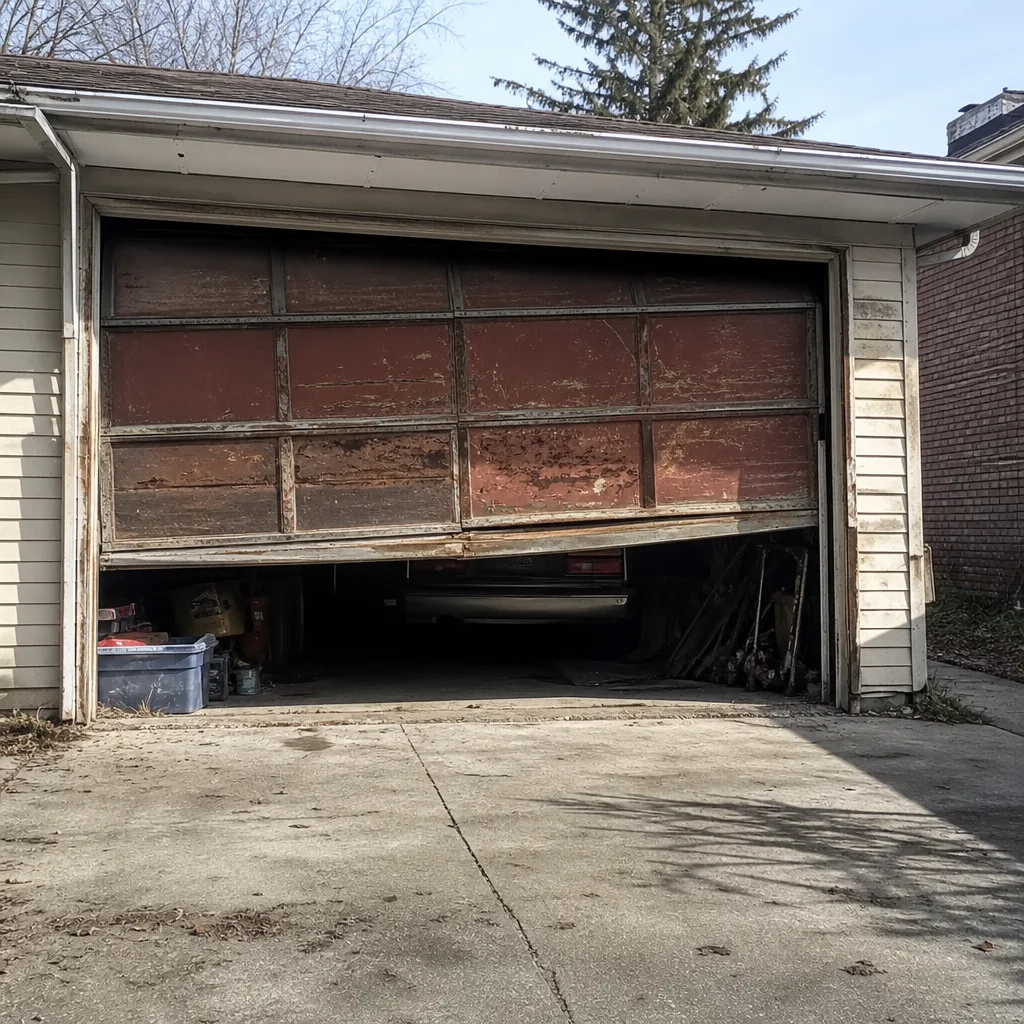 Before
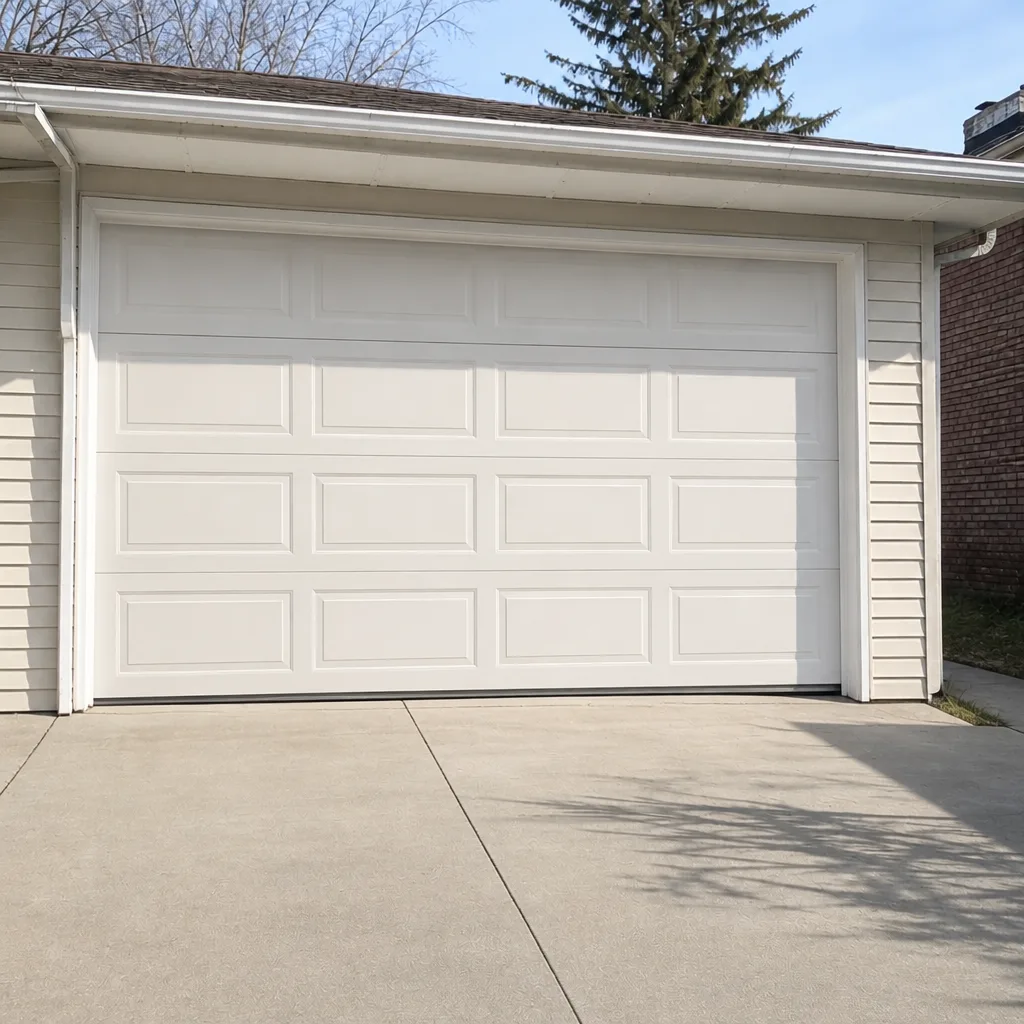 After