Last updated November 21, 2026
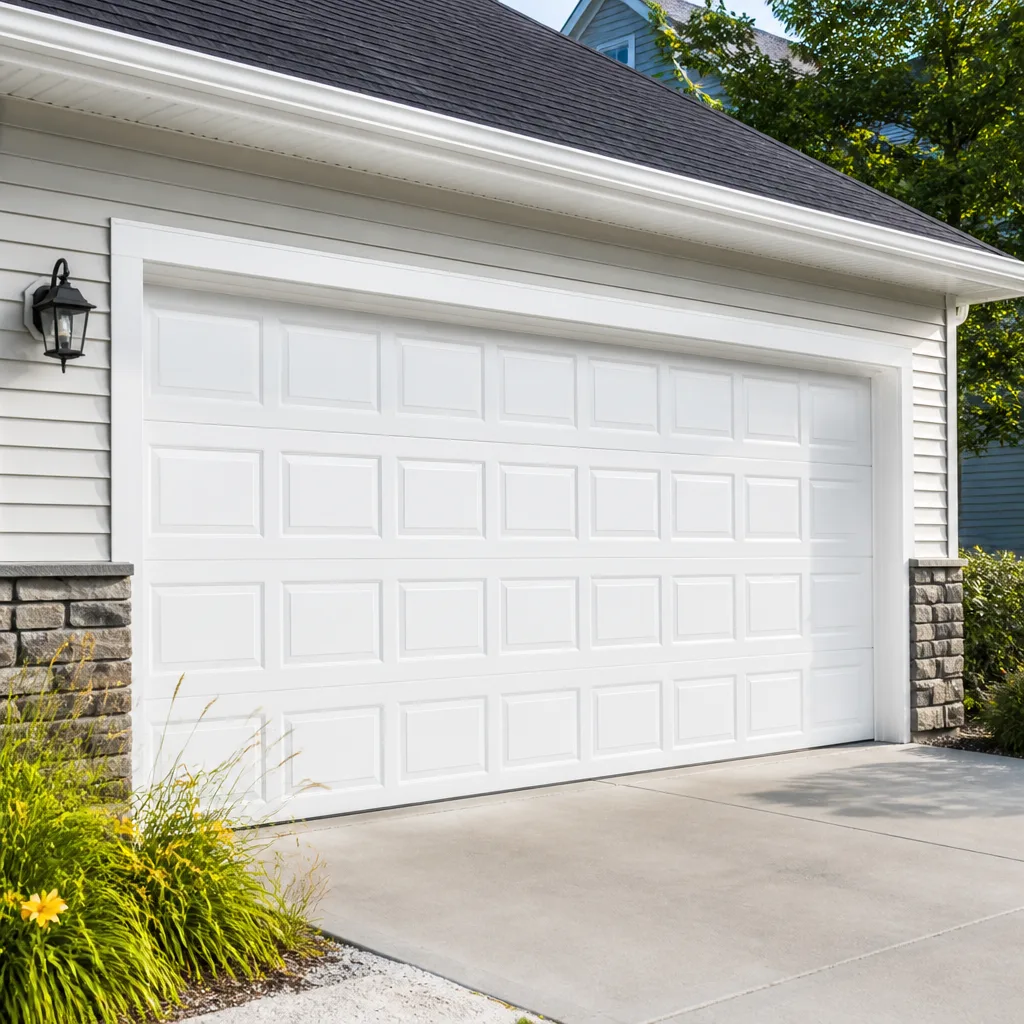 Raised-panel steel
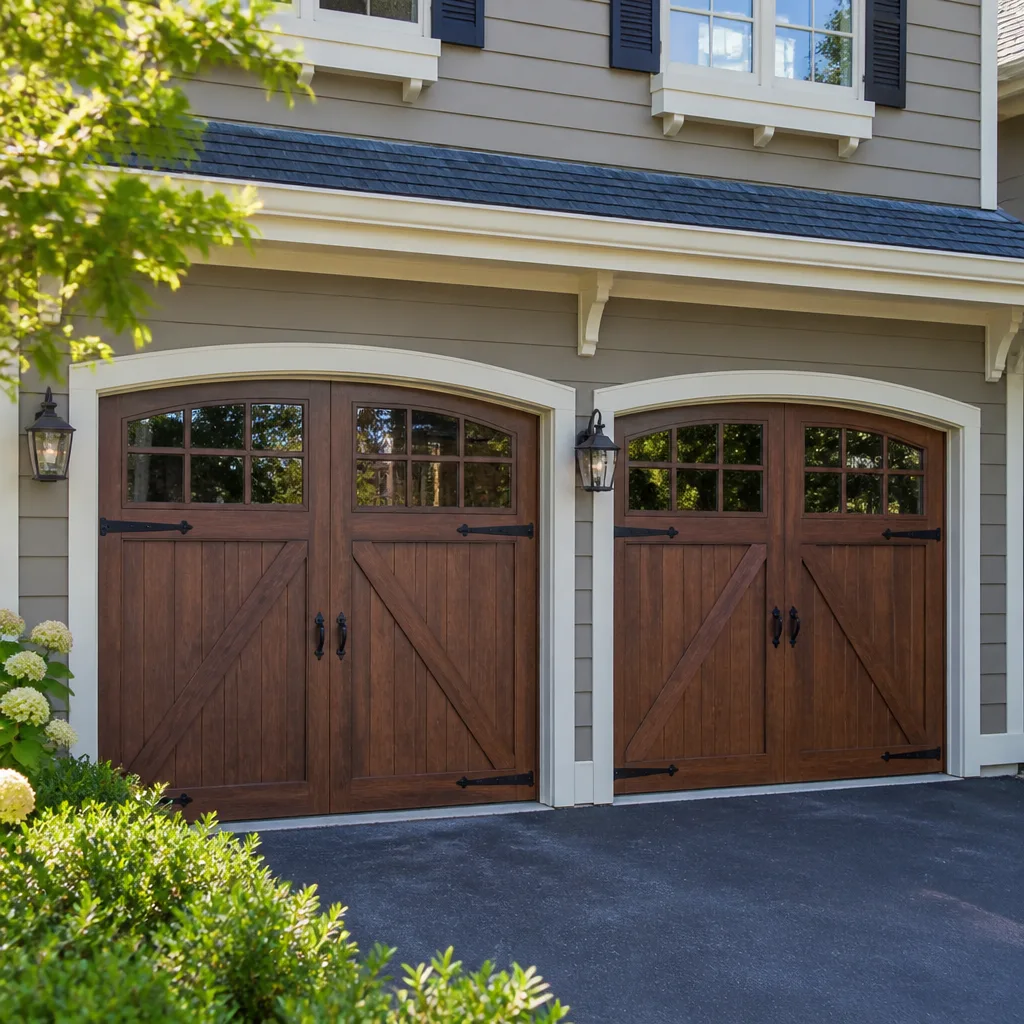 Carriage house
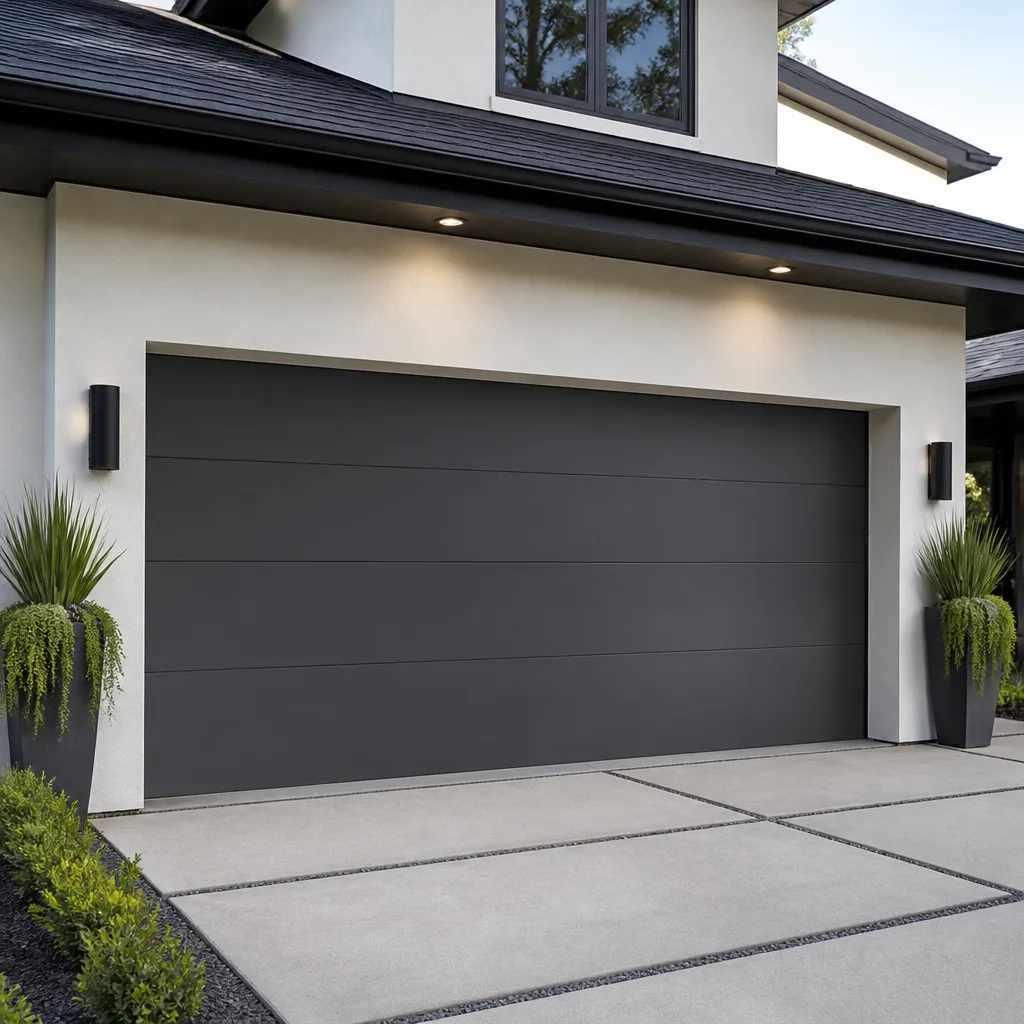 Modern flush
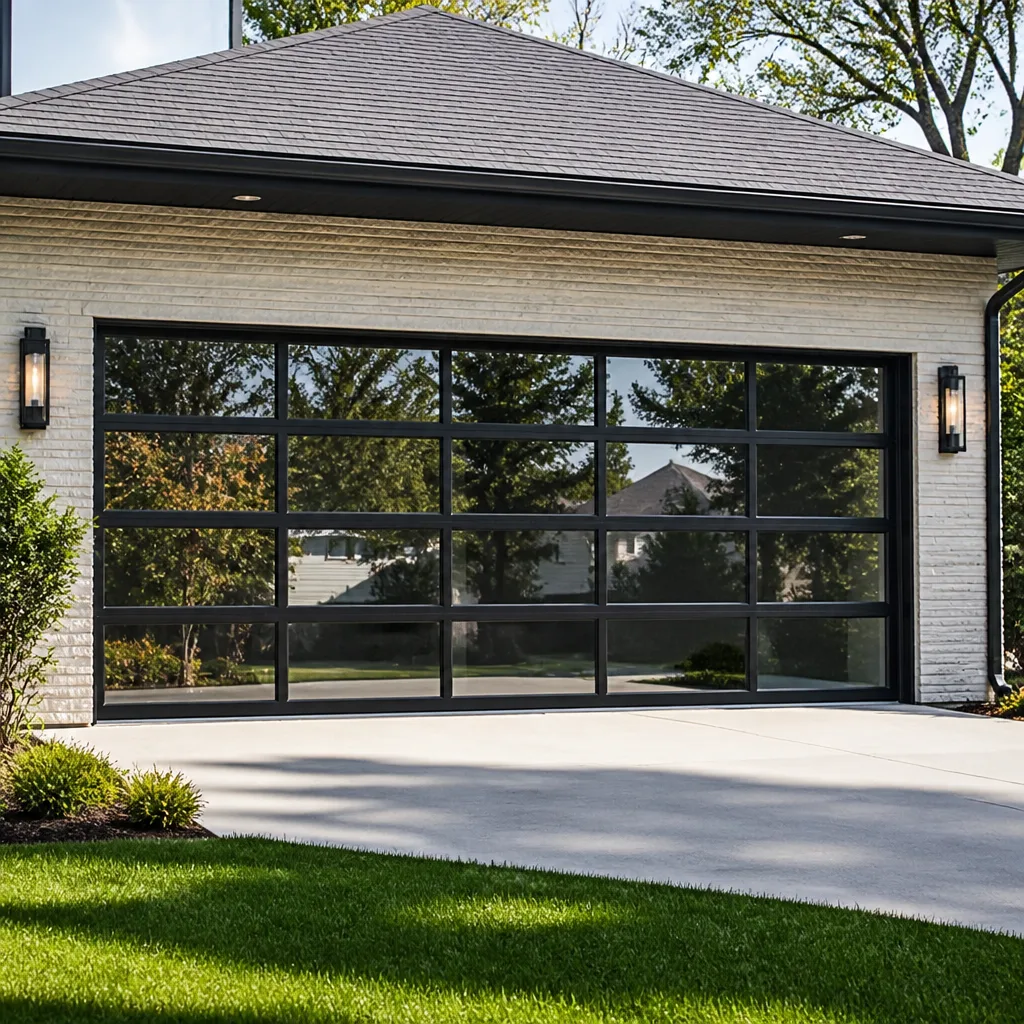 Full-view glass
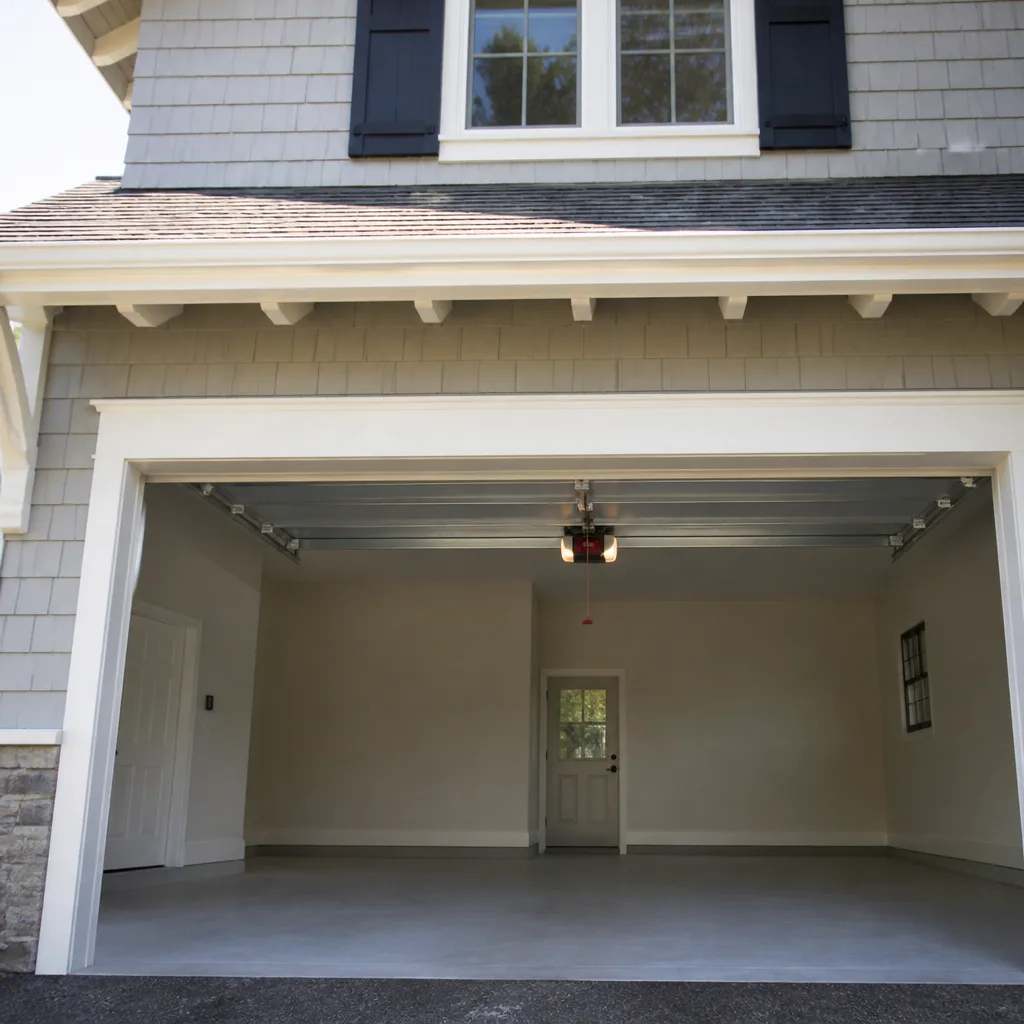 LiftMaster openers
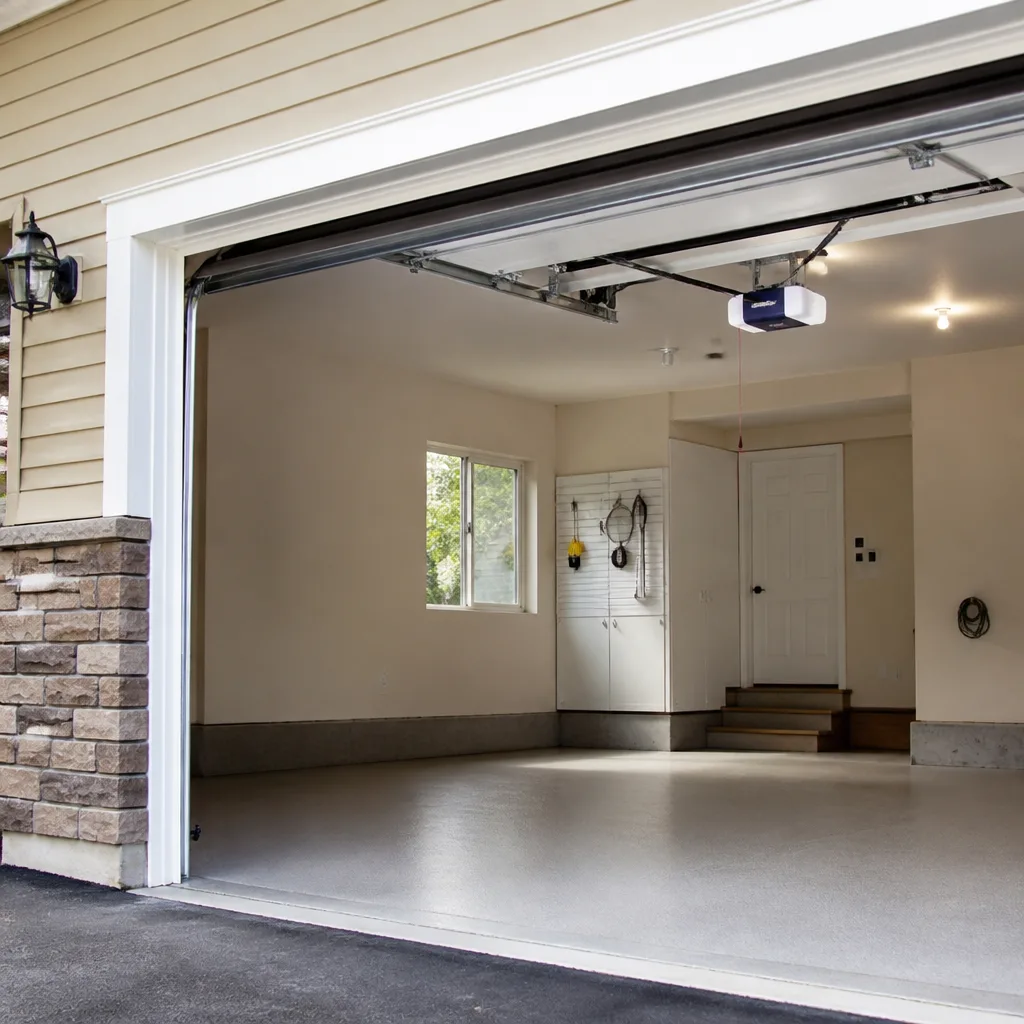 Chamberlain openers
Full 25-point door and opener safety check with every visit - springs, cables, rollers, tracks, and your LiftMaster or Chamberlain opener included
You get a price before we start. It does not change when the pro arrives.
Get your free estimateGarage Door Emergency Preparedness Guide for Parma Homes
Most Parma homeowners treat the garage door like an appliance: it opens, it closes, and nobody thinks about it until it stops. The counterintuitive part is that the households who weather a door failure best aren’t the ones with newer doors. They’re the ones who know exactly three things before anything goes wrong: where the manual release cord hangs, how to secure the opening if the door won’t close, and what to say when they call for help. Storms rolling off Lake Erie knock out power across Parma, and springs fail quietly for weeks before they snap. This guide gives you a printed protocol you can tape inside a cabinet or hand to a neighbor, so a Sunday-morning failure stays a small problem instead of a three-hour scramble.
Quick Answer
A garage door emergency is manageable if you act in the right order: pull the manual release cord (after checking for a car under a raised door), secure the opening, and call for service with your opener brand and the exact symptom. Every electric opener has a manual release, but a cord that’s been tied off to the rail or a door with a broken spring can turn a simple pull into a dangerous situation. Know your release, keep a short emergency kit on the wall, and you’ll be able to get your car out or your home secured without waiting on luck.
Styles & brands we work with
- Raised-panel steel
- Carriage house
- Modern flush
- Full-view glass
- LiftMaster openers
- Chamberlain openers
Table of Contents
- How do you manually open a garage door during a power outage?
- What do you do when the manual release cord won’t pull?
- How do you secure a garage that won’t close?
- What belongs in a Parma garage emergency kit?
- What if a car is trapped inside an inoperable door?
- Why a broken spring changes the whole plan
- How to brief a repair company so the first visit counts
- Preventing the next outage scramble
How do you manually open a garage door during a power outage?
You manually open a garage door by disengaging the opener and lifting the door by hand, but only after you’ve confirmed the door is safe to lift. Spring tension carries most of a residential door’s weight. When a spring is intact, a healthy door lifts with one hand. When a spring is broken, the door may weigh far more than you expect and can drop without warning. That single fact decides how you proceed, and it’s the first thing to check before you touch anything.
Here’s the sequence, and it’s worth walking through once on a calm afternoon so the steps are muscle memory:
- Check the door’s position. Never pull a release cord with the door open and a vehicle or person underneath it. A disengaged door can drop fast.
- Find the release cord. It hangs from the trolley that rides the rail above the door. On LiftMaster, Chamberlain, and Craftsman openers, it’s a red or black handle on a short rope. On Genie systems, the handle color varies, but the location is the same.
- Confirm the door is down and clear. Lower it fully if it’s up, and make sure nobody is standing in the opening.
- Pull the cord toward the door at a slight angle, not straight down. You should hear or feel the trolley click free.
- Lift the door by hand to a comfortable height, guide it up, and lock it in the open position or prop it safely before driving out.
- When power returns, re-engage the trolley by running the opener until it clicks back onto the carriage. It usually takes a cycle or two.
If the door feels heavy, if it stops partway and won’t stay up, or if you hear a loud snap, stop. That’s a spring problem, and the safe move is to call for help, not to force it. If you’d rather have a technician check the door’s balance before storm season, a garage door repair visit can confirm everything’s holding.
What do you do when the manual release cord won’t pull?
When the release cord won’t pull, you check for a zip tie or tie-down before you pull harder. Homeowners and even some installers will secure the cord to the rail to keep it out of the way, and it stays that way for years. If the cord is zip-tied, cut the tie (a pocketknife or kitchen scissors work), then pull. Never force the trolley with a tool or a bar, since bending the carriage can damage the opener.
If the cord pulls but the trolley doesn’t release, several things can be wrong:
- The trolley is jammed on the rail. Older openers with worn carriages lock up, especially after a door has been binding for a while.
- The door is under spring tension against the opener. If a spring is broken, the trolley can feel frozen because the door’s weight is pinning it.
- The release mechanism is seized. Corrosion and stiff grease can freeze the release arm, particularly on a door that hasn’t been serviced in a long time.
Here’s what to try, in order: cut any tie on the cord, pull at a 30-degree angle toward the door rather than straight down, and then try a firm pull once more. If it’s still stuck, stop. A stuck trolley usually means the opener needs to be serviced or the door’s balance checked by someone who knows what they’re looking at. On the Clopay and Wayne Dalton doors common around Parma, the door hardware usually isn’t the issue; the release arm and carriage on the opener are the usual culprits.
How do you secure a garage that won’t close?
You secure a garage that won’t close by blocking the opening from the inside with something substantial, then addressing the cause before you leave the home or go to bed. A door stuck open is an unsecured entry point, and Parma winters mean wind and snow pushing at whatever you use. Start with the door’s own manual lock if it has one, then work outward.
This is the practical sequence when a door won’t come down after storm damage or a broken spring:
- Check the tracks. Look for bent or knocked-out vertical track runs. A door off its track can’t close safely and shouldn’t be forced.
- Clear the path. Move vehicles, bikes, and anything near the door out of the way so nothing blocks a safe attempt to lower it.
- Try the manual release and lower it by hand. If a spring is broken, don’t. The door is too heavy and can come down hard.
- If the door won’t close at all, slide a heavy item (a loaded shelf, a trash bin full of salt bags) firmly against the inside of the opening, and secure the tracks with clamps or a C-clamp on the rail if the door is partway up.
- Lock the entry from the house to the garage. If the overhead door can’t close, treat the interior door as the security line and keep it locked.
- Call for service. An open garage on a Parma street is a problem that only a working door fully solves.
Don’t use a car to hold a partially open door in place, and don’t wire anything to the tracks. Those shortcuts cause more damage than the original problem. If you’re looking at a spring that snapped while the door was up, that’s exactly the scenario where garage door repair needs to come to you.
What belongs in a Parma garage emergency kit?
A Parma garage emergency kit holds a few specific items that turn a power outage from a scramble into a five-minute fix. The point isn’t a full tool chest. It’s the handful of things you’ll actually reach for in the dark. Store them in a small tote or a clear shoebox on a shelf near the interior door, where you can find them without a flashlight.
- A flashlight that doesn’t depend on the wall switch. A hand-crank model or a battery light with fresh batteries that you check each fall, before storm season.
- A sturdy pair of work gloves. Garage door hardware and springs have sharp edges and pinch points.
- Adjustable pliers and a small screwdriver. Enough to work the release arm and check the trolley if needed.
- Scissors or a utility knife. For cutting the inevitable zip tie on the release cord.
- Two C-clamps. Clamp the rail to hold the door’s carriage in place if a track is damaged and you need to keep it secure.
- A printed card with your opener brand and model number. Snap a photo of the label on the back of the opener unit. That card is worth more to a technician than anything else in the tote.
- A notepad and pen. You’ll want to jot down the symptom, what you tried, and when it started while it’s fresh.
The kit matters most around Parma’s power outages. Anything that takes out the grid in your block takes out the opener too, and a storm-season tote saves you from searching the basement by phone light.
What if a car is trapped inside an inoperable door?
When a car is trapped inside a garage with a door that won’t open, the safe sequence is: confirm the door’s springs are intact, release the opener, lift the door by hand only if it’s safe, and back out slowly. If the door won’t lift safely, don’t try to force it with the vehicle. A door that falls on a car does more than scratch paint; it can damage the panel, the tracks, and the opener, and it can injure anyone standing nearby.
Walk through it this way:
- Look and listen. Is there a broken spring hanging on either side above the door? Is the door visibly off its track? A loud snap before the failure usually means a spring broke.
- If the springs look intact, pull the release cord (after cutting any tie), lift the door by hand to head height, and drive out slowly. Have someone spot you if the door won’t stay up.
- If the door is too heavy or clearly broken, don’t force it. Leave the vehicle in the garage. Get out through the interior door or the service door and lock up behind you.
- If you need the car for work or an appointment, that’s when an emergency call is worth making. Emergency service exists for exactly this situation.
- Call for service with the make of your opener and a description of the door’s position. A technician arriving with the right part beats a second visit.
If the door is a Craftsman or Chamberlain system with a chain drive, the door will still be the heavy part, not the opener. Once the opener is released, everything depends on the springs. If it’s chain-driven and the door is down, check that the chain hasn’t come off the sprocket; that’s usually a motor or carriage issue, not the spring.
Why a broken spring changes the whole plan
Springs carry the door’s weight, and once one fails, the door becomes dangerous to handle. A torsion spring above the door or an extension spring alongside it is under heavy tension. When it breaks, the door’s full weight goes straight to the opener or to whatever you’re holding. That’s why no emergency plan should include lifting a door whose spring has snapped. This is one of the most common and most mishandled repairs in the trade, and it’s the reason spring work belongs with a trained technician.
What you can safely do during a spring failure:
- Keep everyone, especially children, away from the door. A door held up by a broken spring can drop without warning.
- Don’t run the opener. Running a motor against a door whose spring has failed strains the opener and can damage the door further.
- Don’t cut, unbolt, or remove the spring or its cables. Both are under tension and both can cause serious injury. Leave them alone.
- Secure the opening as covered above, then call for service.
If it’s a torsion setup with the spring across a shaft above the door, the repair usually involves replacing a matched pair together, since the springs wear as a set. That’s a fix for a trained technician, and it’s the reason garage door repair includes spring work as a dedicated service. Our technicians have up to 8 years of experience with the tension systems on Parma homes, and we work on the opener brands you’re most likely to have.
How to brief a repair company so the first visit counts
Communicating a garage door emergency well is the difference between a one-visit fix and a wasted trip. Give the company your brand, your door type, and the exact symptom, and the right technician shows up with the right parts. When you call Parma Garage Door Repair Co, we’re certified across LiftMaster, Chamberlain, Genie, Clopay, Amarr, Wayne Dalton, Craftsman, and Raynor, so the brand on your door or opener is familiar before anyone arrives. Say it once, clearly, and the diagnosis starts before the visit.
What to have ready when you call:
- The opener brand and, if you can see it, the model number from the label on the back of the unit.
- The door brand, if you know it (Clopay, Amarr, and Wayne Dalton are common around Parma).
- The symptom in plain words. “Door won’t close,” “door is up and won’t come down,” “loud snap and now it’s stuck,” or “opener runs but nothing moves.”
- The door’s current position and whether a vehicle is trapped.
- What you’ve tried. Did the manual release work? Did you cut a tie off the cord? Was the opener already running when it stopped?
- Whether the door is off its track or the panels are bent.
That brief narrows down which service is likely. A door that won’t close with an intact spring could be a safety sensor or a limit adjustment. A door that’s stuck partway with a loud snap is probably a spring. A door whose opener runs and clicks but won’t move is likely the trolley. Some of these are garage door repair visits; others are garage door opener repair. Telling us the difference over the phone, even roughly, saves you time. If an older door has finally given up beyond repair, the same company handles garage door installation, so there’s no second contractor to coordinate.
Preventing the next outage scramble
Most garage door emergencies are preventable with a short checklist run once a year. Parma homes deal with lake-effect storms, freeze-thaw cycles, and the kind of snowfall that stresses doors and openers alike. A few minutes in the fall goes a long way. Walk through this list and you’ll catch the failures while they’re cheap to fix:
- Check the release cord. Make sure it’s not tied to the rail and that it pulls freely. Cut any tie.
- Test the balance. Disengage the opener and lift the door halfway. A well-balanced door stays put. One that drifts down needs a spring check.
- Listen for the door. Grinding, squealing, or a door that pauses on the way up is telling you something.
- Inspect tracks and rollers for bent sections or flat spots on the wheels.
- Test the safety sensors. If the door reverses on its own, the sensors may be misaligned or dirty.
- Check the manual release under the door opener’s emergency use, and remind everyone in the house where it lives.
- Refresh the emergency kit and swap the flashlight batteries.
If any test looks off, book a service visit before storm season. A door that’s been squeaking for a few weeks is often one weak spring away from a Sunday failure. Know your release, keep the kit stocked, and route the heavy work to a professional. If you’d rather do a full tune-up with a technician, garage door repair starts with a proper look at the whole system, springs and opener included. And a reminder: we’re closed on Saturday, so if your door fails on a Saturday, call and we’ll book you for Sunday.
Common Mistakes to Avoid
- Pull the release with a car underneath. Homeowners sometimes panic and yank the cord with the door up and a vehicle in the bay. That’s how doors come down hard. Confirm the opening is clear first.
- Force a door with a broken spring. Once a spring snaps, the door’s full weight is on you and the opener. Don’t try to lift it and don’t run the opener. Call for service.
- Leave a door open overnight for weeks. A Parma garage stuck open is an unsecured entry. Block and lock it, then fix it, instead of hoping nothing happens.
- Assume the opener is at fault. A lot of “dead opener” calls turn out to be a broken spring or a misaligned safety sensor. Diagnose before you buy parts.
- Tie the release cord to the rail. It keeps the cord tidy until you actually need it. Leave the cord free.
- Forget to re-engage the trolley. After the power comes back, the opener won’t work until the trolley clicks back onto the carriage. Run it a cycle or two.
- Force a door back into a bent track. A door that’s off its track can’t be pushed closed safely, and forcing it bends the panel further. That’s a repair call.
See the difference
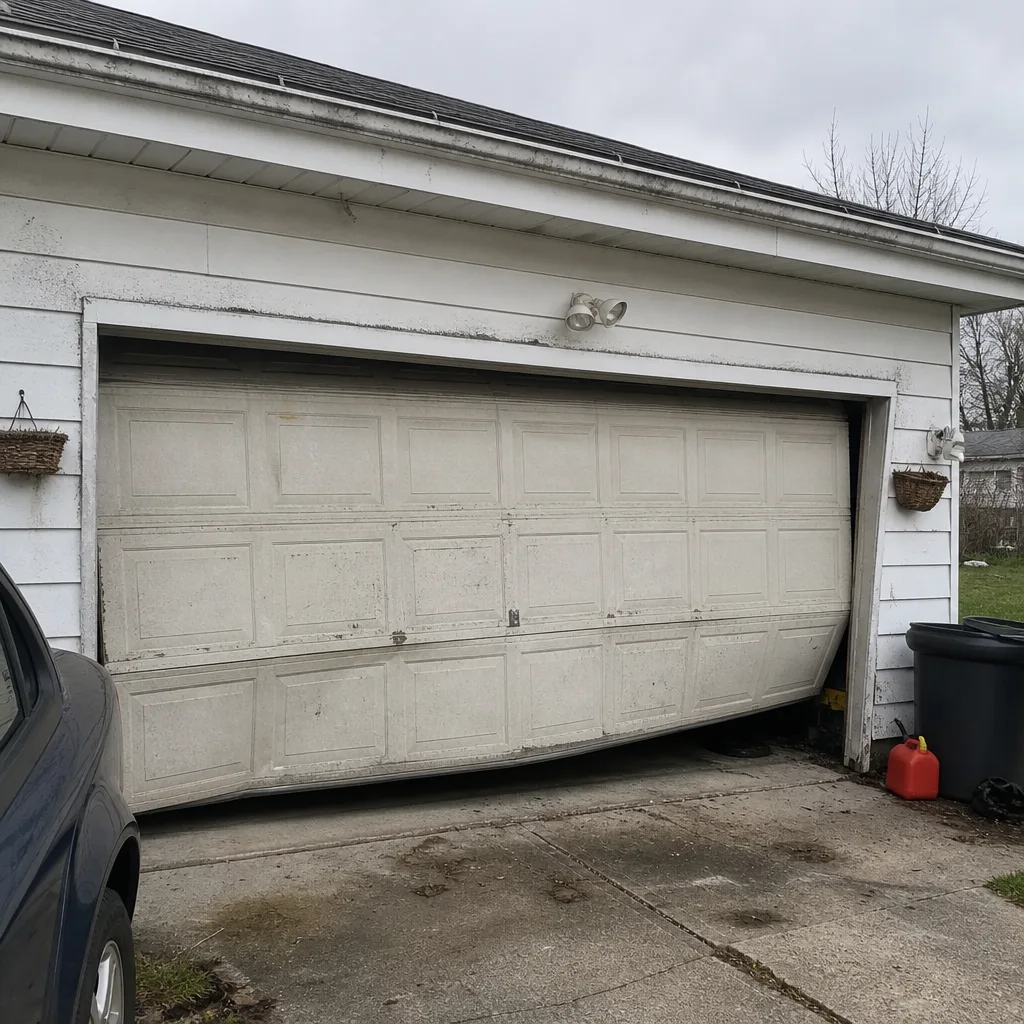 Before
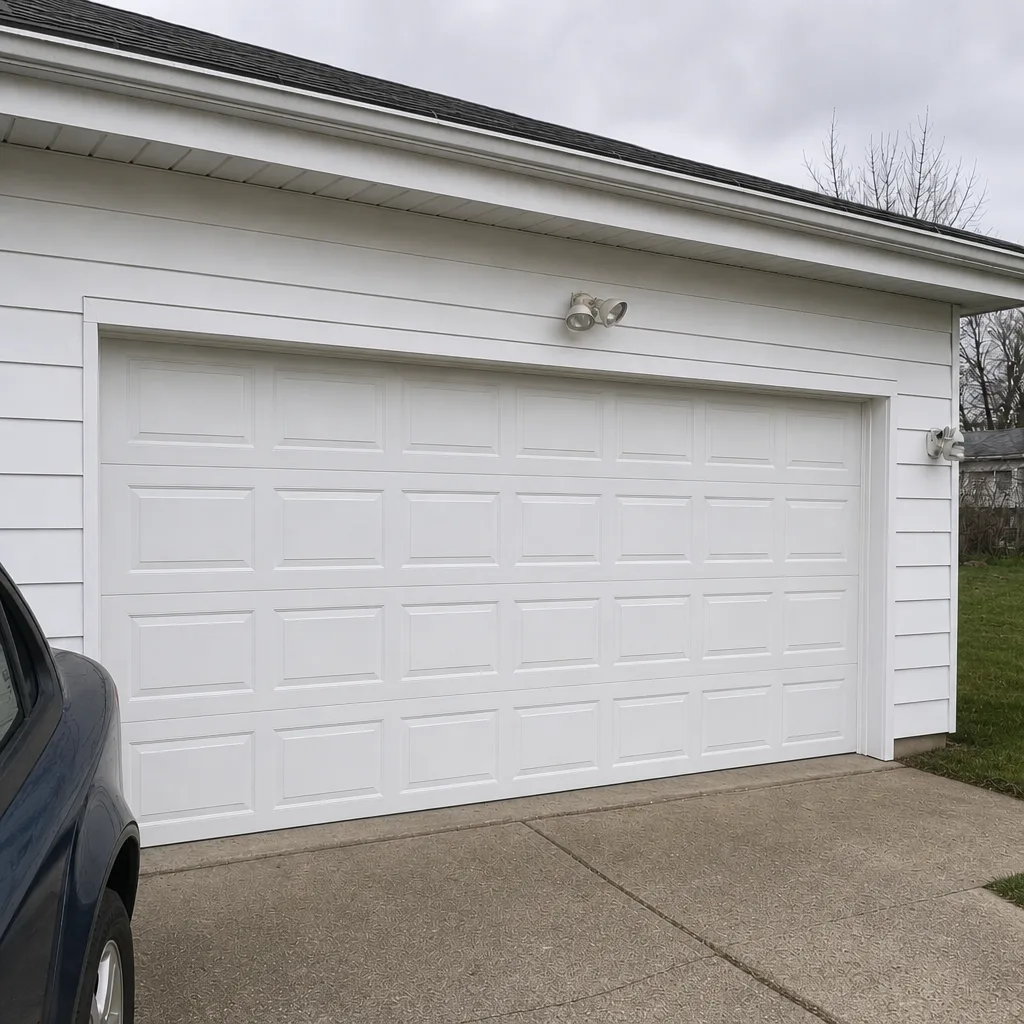 After
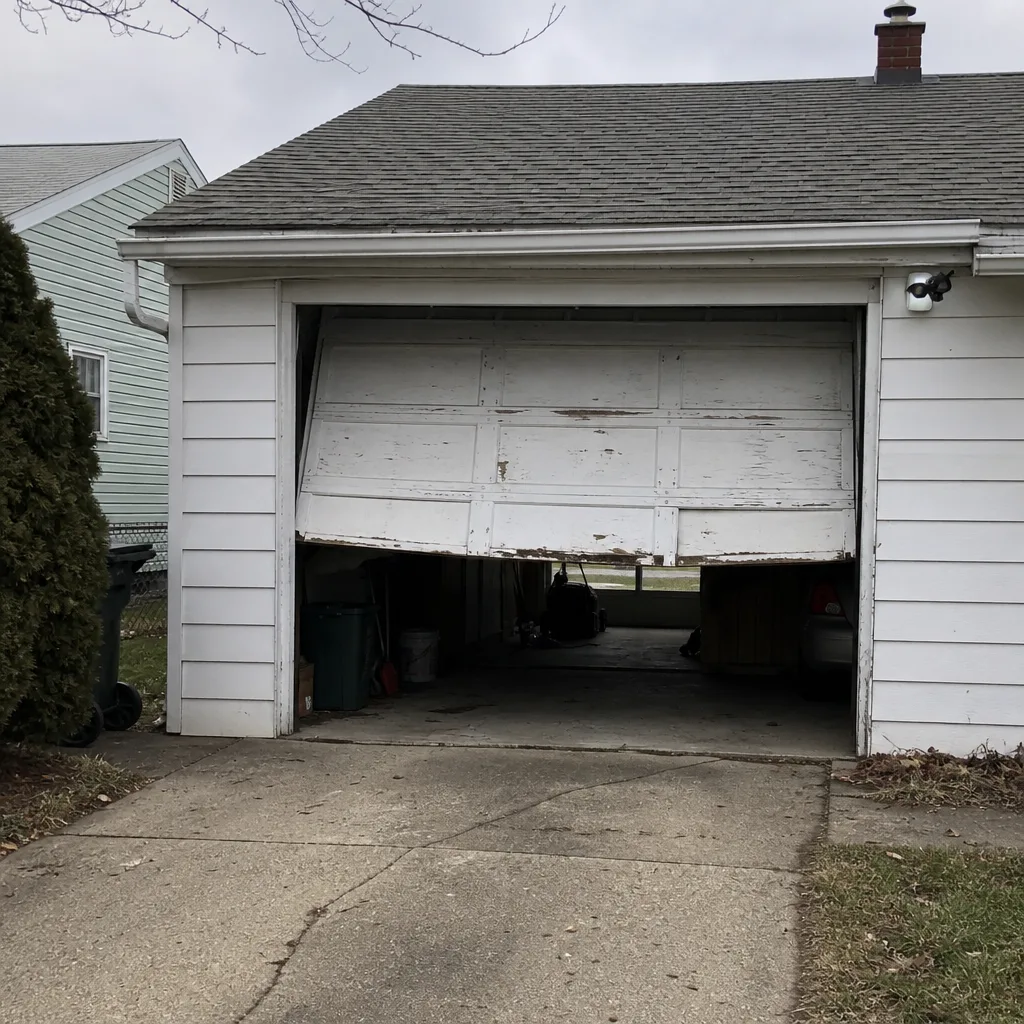 Before
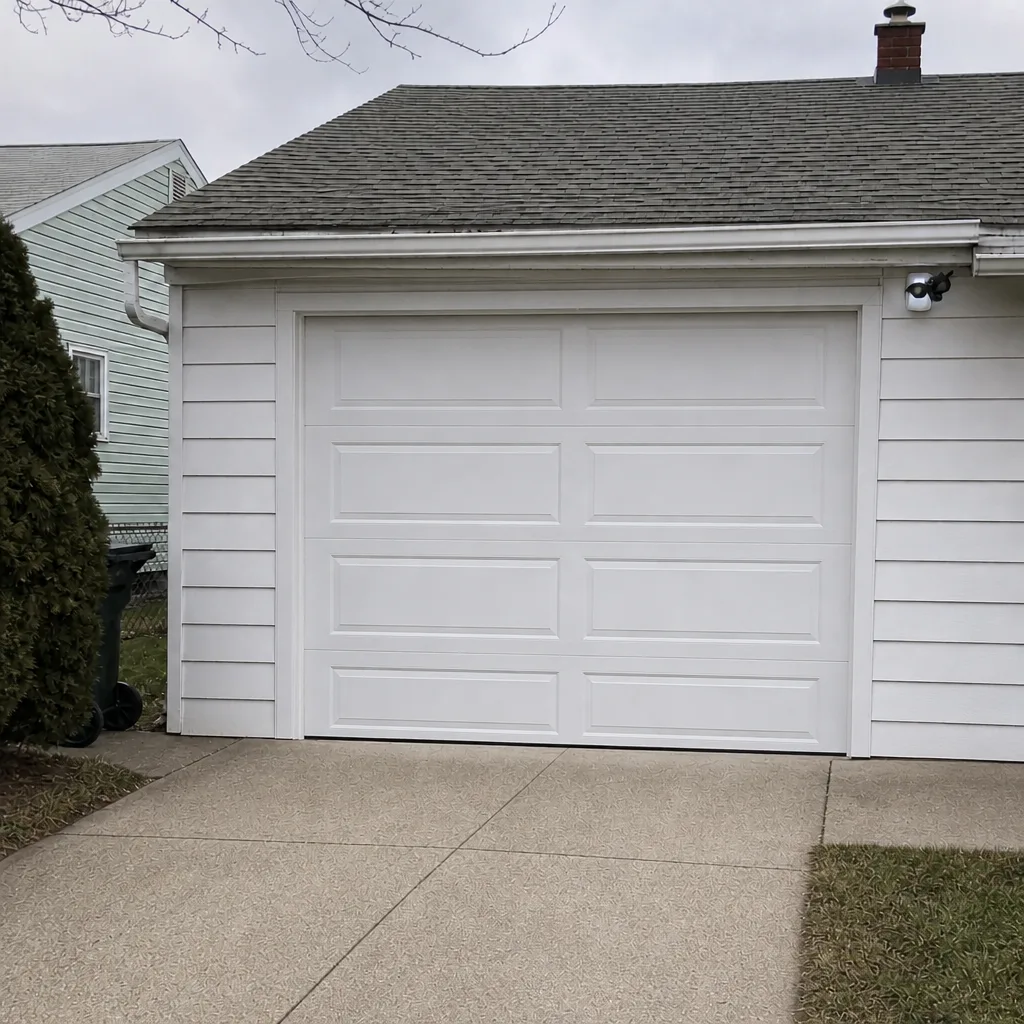 After
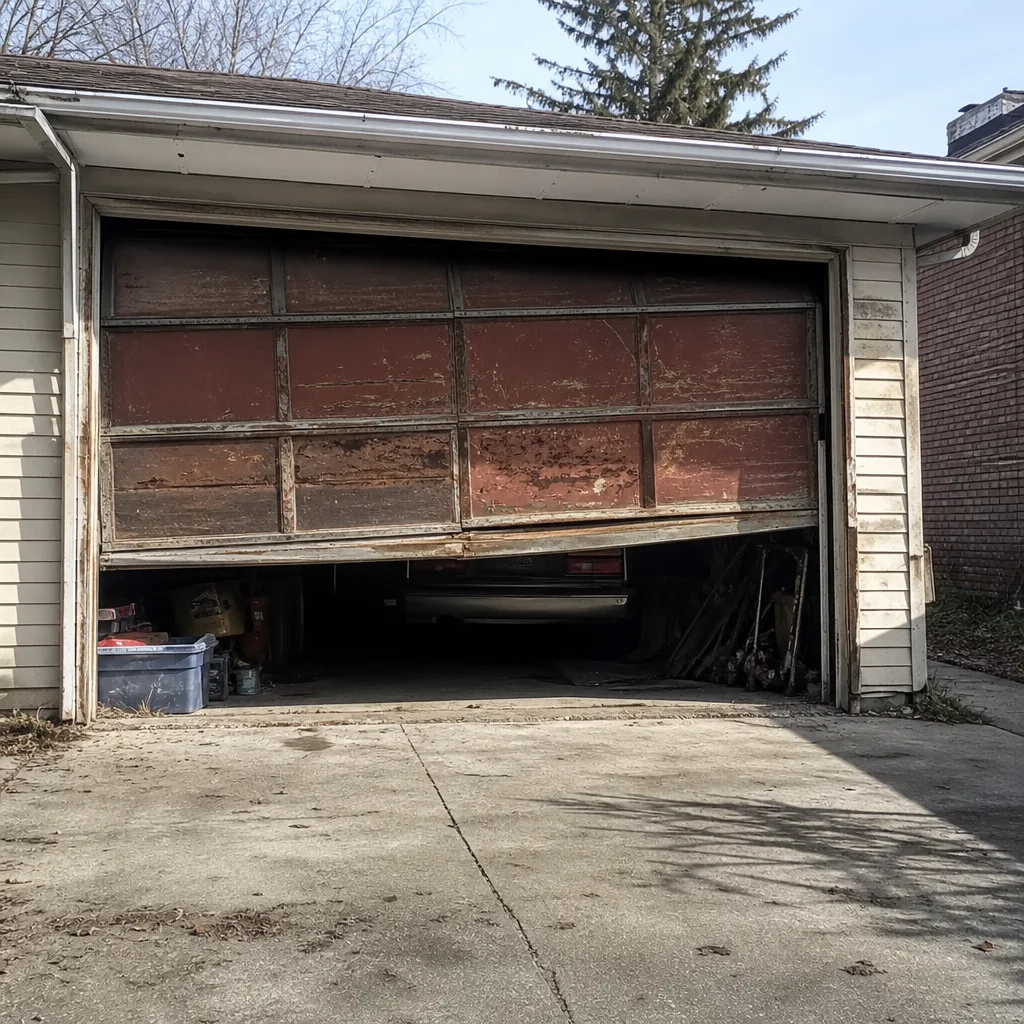 Before
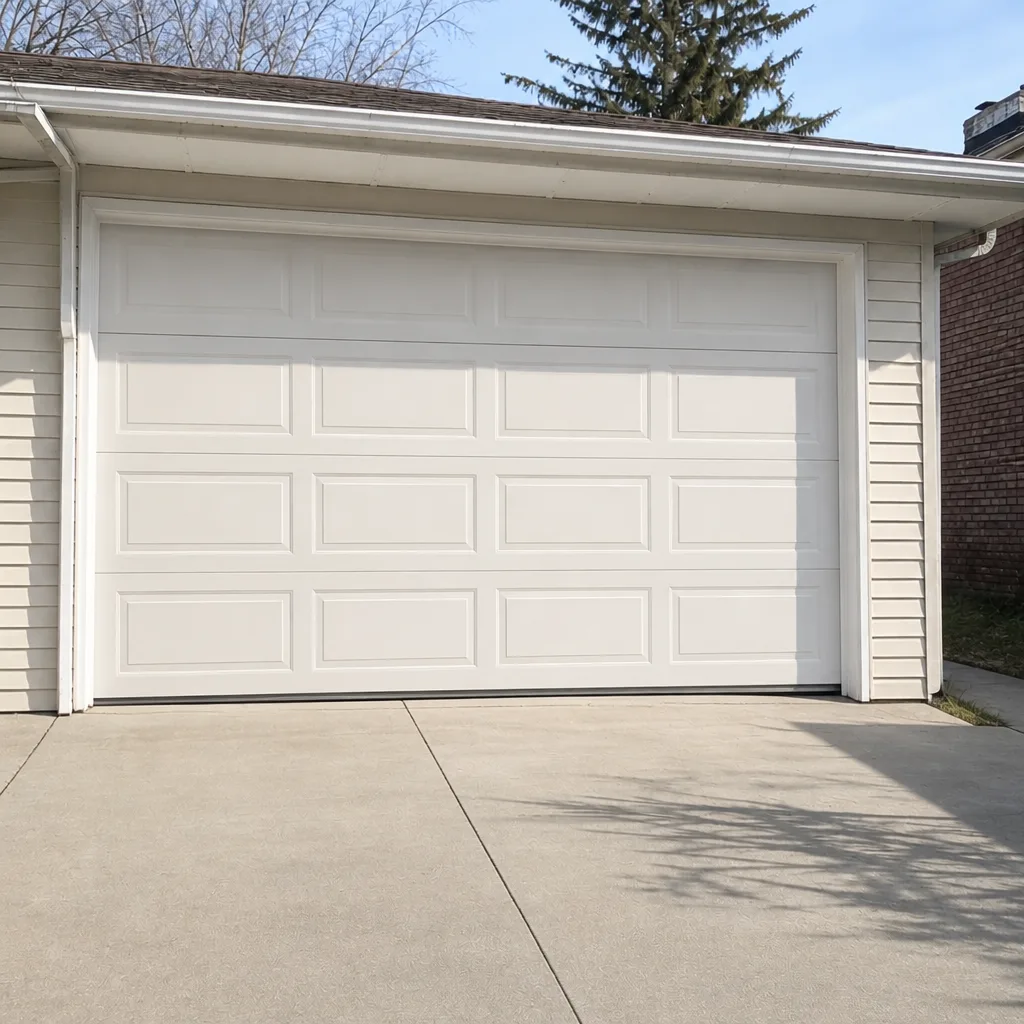 After
When to Call a Professional
Call a professional when the door won’t open or close and the cause isn’t obvious, when a spring has snapped, when the door is off its track, or when a car is trapped and the door won’t lift by hand. Also call when the opener runs but the door doesn’t move, when the door reverses on its own, or when you hear the door groaning more than usual. The dangerous work here is spring tension and anything under a raised door. Parma Garage Door Repair Co offers free estimates in Parma. We work on the eight most common brands, emergency service is available, and one company handles the door, the spring, and the opener so there’s no second call. Call us at (844) 900-3998 for a free estimate and we’ll get your door back up and running with a written price agreed before any work starts.
Frequently Asked Questions
Yes. Pull the manual release cord after confirming the door is down and the opening is clear, then lift it by hand. Every electric opener has a release, usually a red or black handle on a short rope. If the cord is tied off or the spring is broken, don’t force it; call (844) 900-3998 for help.
Spring repair is the most common emergency call, and emergency service should come with a written price before any work starts. Because springs are usually replaced as a matched pair, plan for the cost of two when both are worn. Call (844) 900-3998 for a free estimate and a clear quote for your door.
Secure the opening from the inside with something heavy, lock the interior door, and check the tracks for damage before trying to lower the door by hand. If the spring is broken or the tracks are bent, don’t force it. Call for service and we’ll get a technician to you with the right parts.
The local professionals Parma Garage Door Repair Co connects you with are licensed and insured as the state requires, and our technicians have up to 8 years of experience. That matters most on spring work, where the tension is dangerous and shouldn’t be handled by an untrained helper.
Emergency service is available for situations where the door can’t wait, and same-day availability depends on the day and the job. Call (844) 900-3998 and we’ll tell you what’s available. We’re closed on Saturday, but call and we’ll book you for Sunday.
No. The written estimate is the price, and any change to the scope is agreed with you before work continues. Different problems (a spring, a trolley, a bent track) get quoted up front once the technician knows what’s involved. Call (844) 900-3998 for a free estimate.
The Bottom Line
A garage door emergency in Parma comes down to three things: know where your release cord is, keep it free of ties, and know the difference between a door you can lift and a door with a broken spring. The kit is small, the steps are few, and the preparation takes an afternoon. When the problem is spring tension, a bent track, or a car trapped behind a door that won’t move, that’s the moment to call for help. Parma Garage Door Repair Co handles the spring, the opener, and the door itself, so one call covers the whole job. Call (844) 900-3998 for a free estimate and a written price before any work starts, and visit Parma Garage Door Repair Co to see the full range of what we work on.
Written by the team at Parma Garage Door Repair Co.