Last updated November 21, 2026
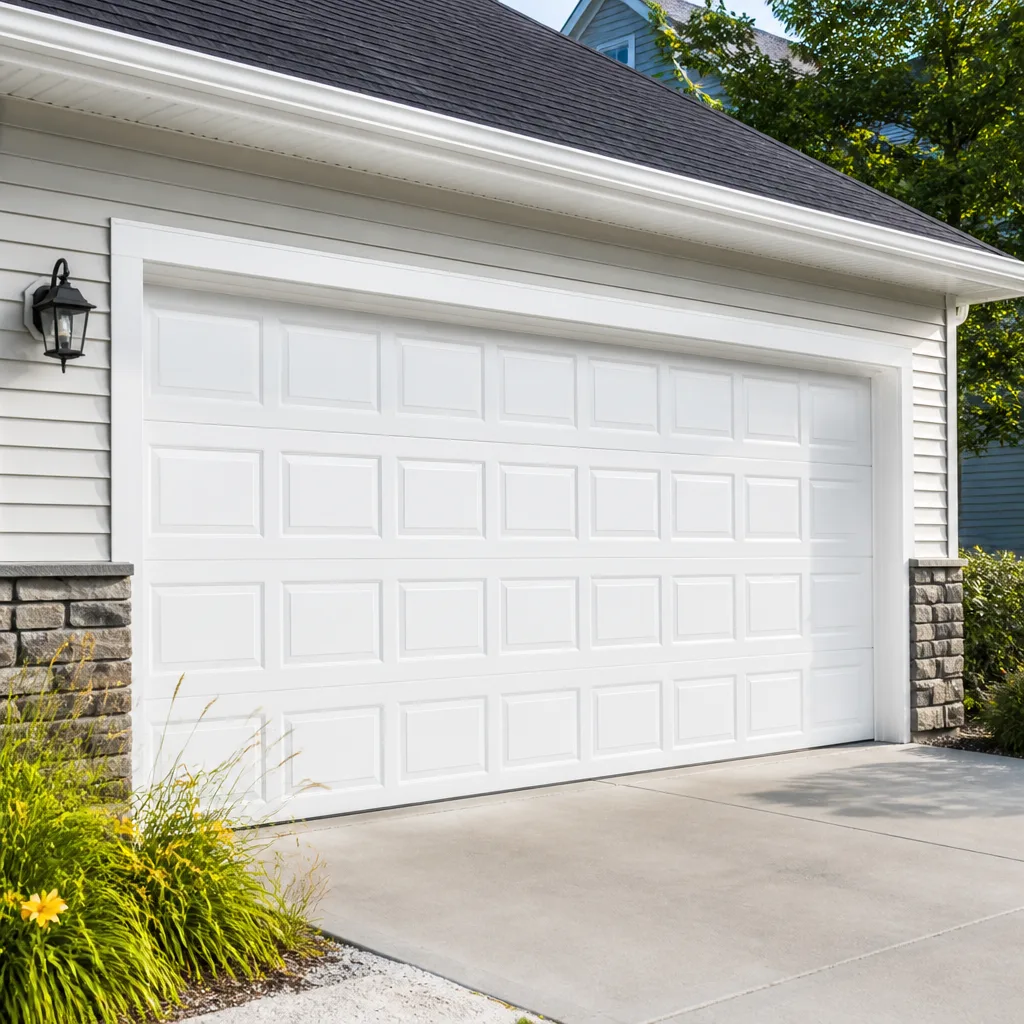 Raised-panel steel
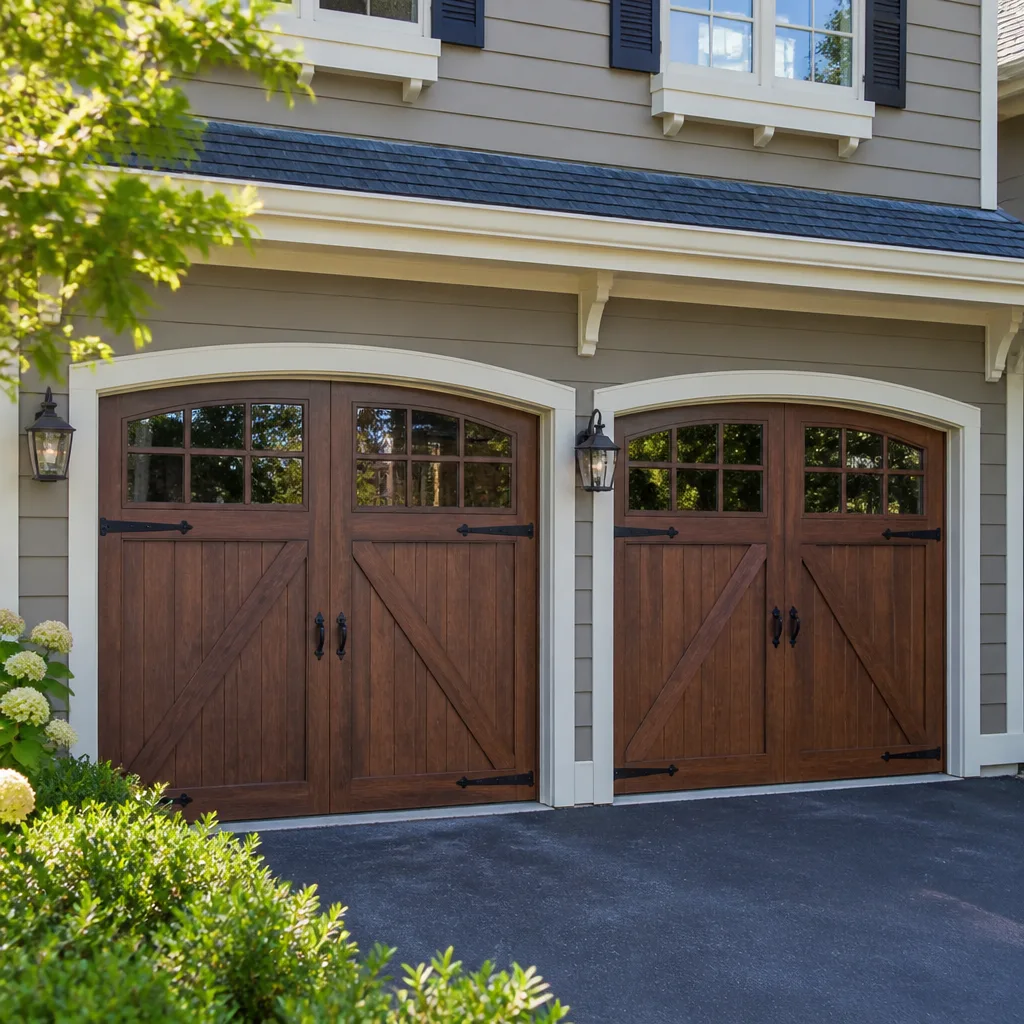 Carriage house
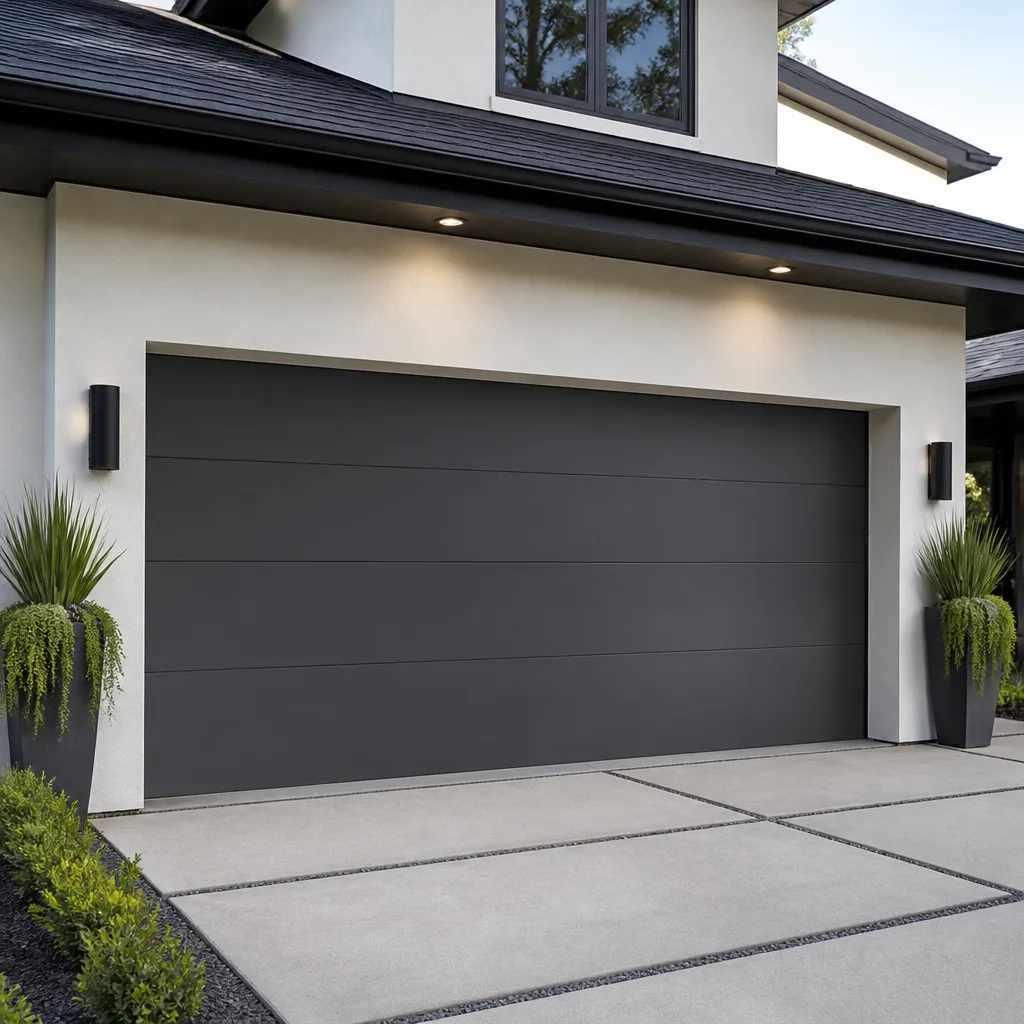 Modern flush
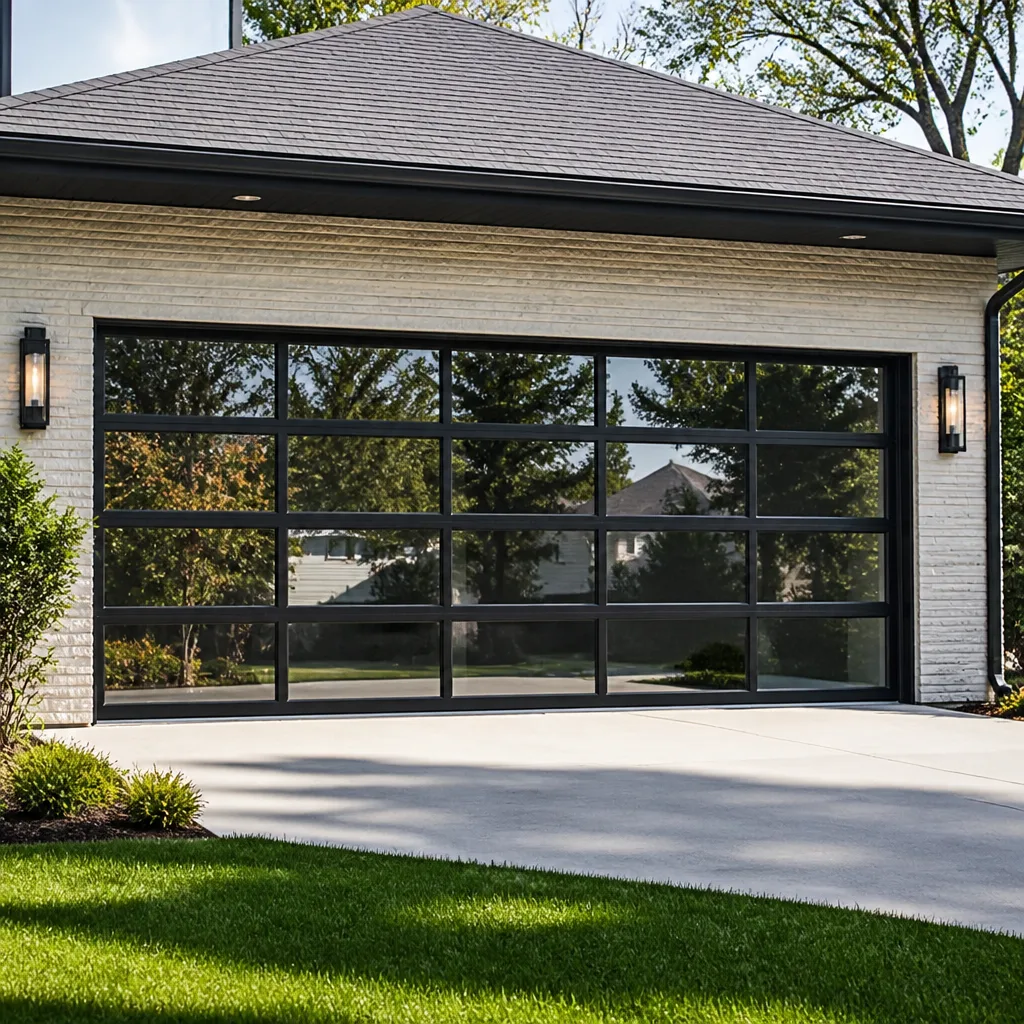 Full-view glass
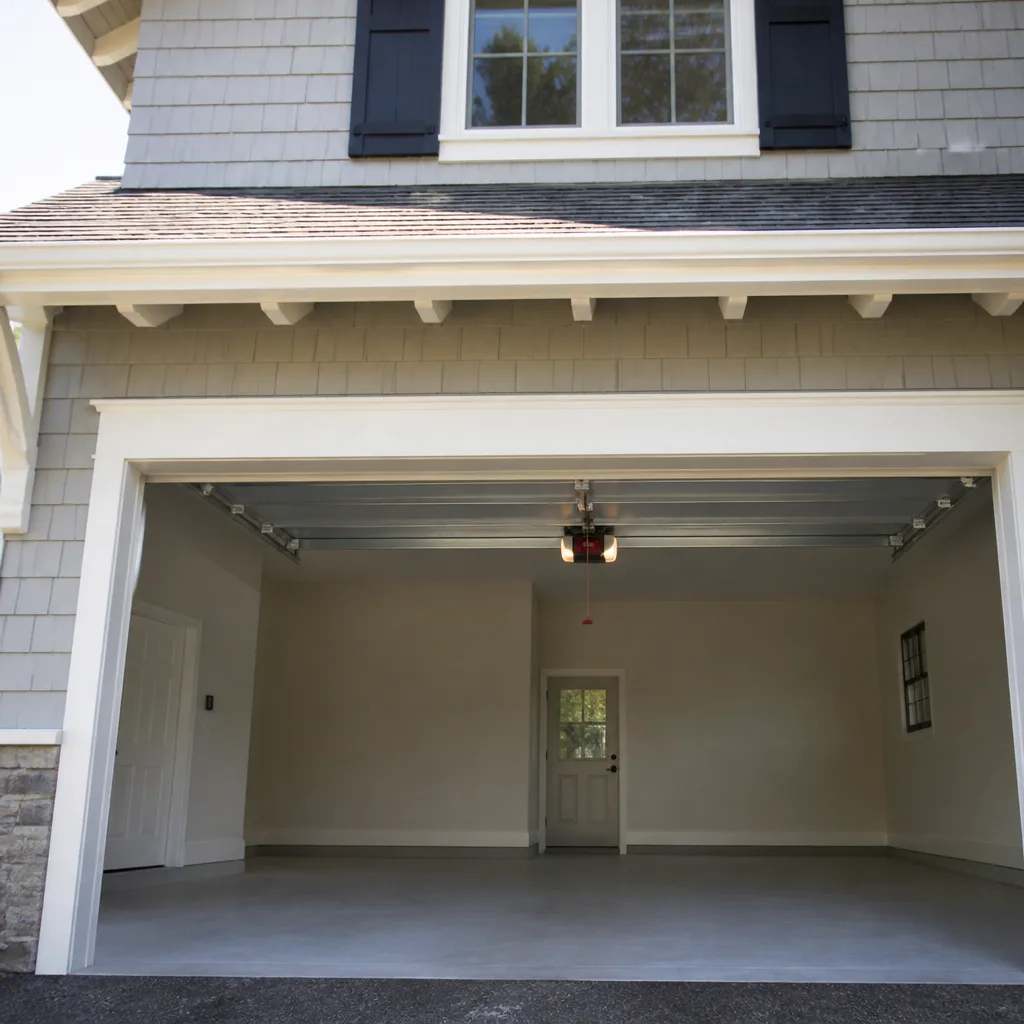 LiftMaster openers
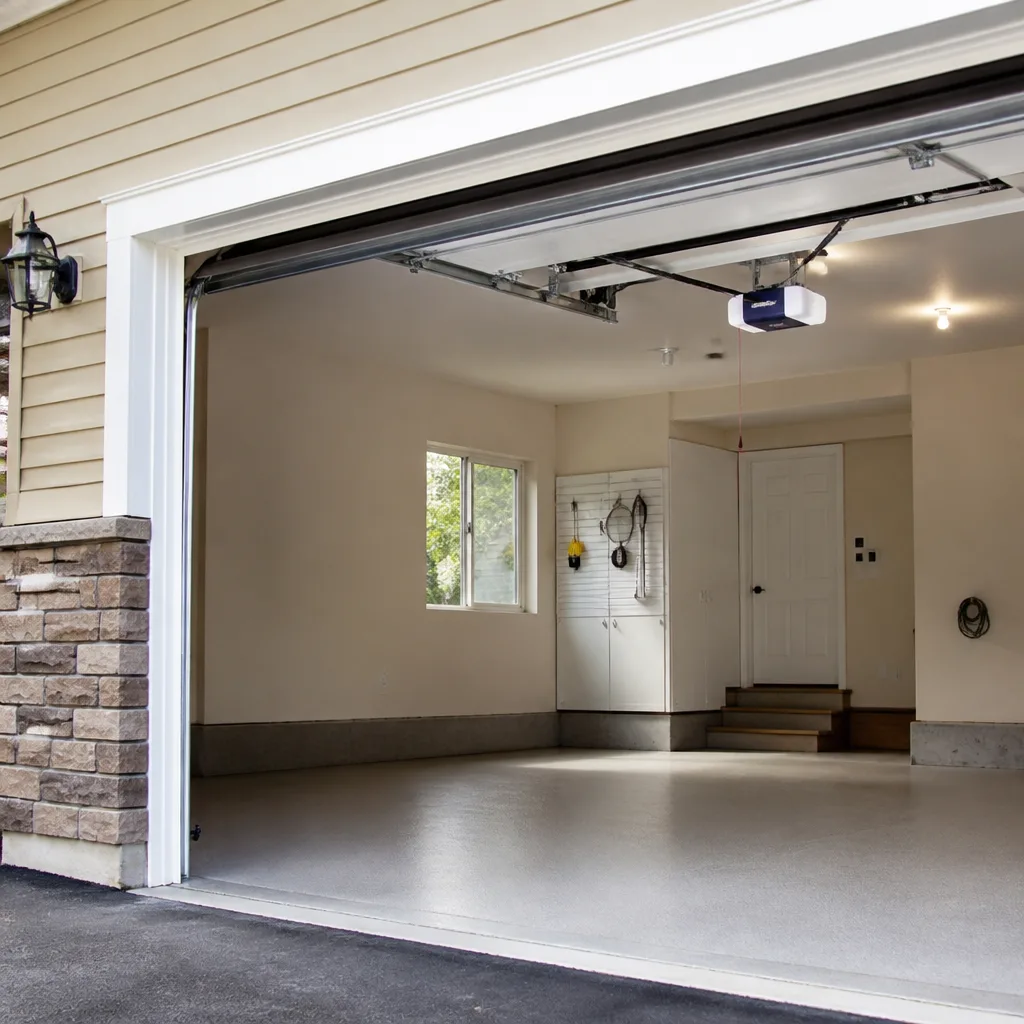 Chamberlain openers
Full 25-point door and opener safety check with every visit - springs, cables, rollers, tracks, and your LiftMaster or Chamberlain opener included
You get a price before we start. It does not change when the pro arrives.
Get your free estimateGarage Door Permits, Codes & Inspections in Parma, OH: What You Need to Know
Here’s the part most homeowners get backwards: in Parma, a garage door permit is not about the garage door. It’s about the wall above it. A full replacement in an attached garage touches a fire-rated wall assembly, and that’s what the City of Parma’s building department is actually reviewing. Here’s the more counterintuitive part. If you skip that permit, nobody shows up at your door next week. The problem surfaces years later, during a home sale, when the buyer’s inspector flags unpermitted work on an attached garage and your closing timeline starts to wobble. By the end of this guide you’ll know exactly when a permit is required, which Ohio Residential Code rules apply, how the inspection works, who’s responsible, and how to fix a job that was done without one.
Quick Answer
In Parma, a permit is generally required for a full garage door replacement on an attached garage, because the opening is part of a fire-rated wall between the house and the garage; a like-for-like swap of the same size and rating often does not require one, and opener-only work typically doesn’t either. Always confirm with the City of Parma building department before work starts, because the exact threshold depends on the scope. The permit holder and the inspection responsibility are usually the contractor’s, but the homeowner carries the long-term exposure if it’s never pulled.
Styles & brands we work with
- Raised-panel steel
- Carriage house
- Modern flush
- Full-view glass
- LiftMaster openers
- Chamberlain openers
Table of Contents
- When a permit is actually required for a garage door in Parma
- Ohio Residential Code and the fire-rated wall in attached garages
- What the inspection looks like, and who is responsible
- Unpermitted garage work and what it does to a title search
- Flood-zone adjacency near the Rocky River tributaries
- Repair vs. replacement: the line that trips people up
- What to ask a Parma garage door contractor before signing
- Common mistakes to avoid
When a permit is actually required for a garage door in Parma
The single most misunderstood point is that “garage door permit” is a phrase that hides three very different scopes. A full replacement to a different door, a like-for-like swap of an identical door, and an opener-only installation are not the same job from a code standpoint, and they’re usually not the same from a permit standpoint either. Here’s how we explain the threshold to homeowners in Parma who call us trying to sort this out before they buy a door.
The general rule most municipalities apply, Parma included, is that structural work to a wall assembly needs a permit. The opening above your garage door isn’t just a hole. It’s framing, a header, and on an attached garage, a wall that’s part of your home’s fire separation. A full replacement that changes the door’s size, weight, material, or rating touches that assembly and is treated as a code-reviewed project. A straight swap of the same model door in the same opening, same dimensions, is often treated as a repair. An opener installation usually falls under electrical, and a straight replacement of one opener with a comparable unit is generally treated as equipment repair.
- Full door replacement (attached garage): permit typically required.
- Full door replacement, same size and model, no framing change: often permit-exempt; confirm with the city.
- Detached garage replacement: varies; call and ask.
- Opener replacement, same unit type: generally treated as repair, not a permit item.
- New opener circuit or new wiring: usually requires an electrical permit pulled by a licensed electrician.
- Spring, cable, roller, or panel repair: not a permit item.
To be clear on the last one: spring and cable repair, roller replacement, panel swaps and similar mechanical work are repairs, not code-reviewed construction, so no permit is involved. That work arises out of use, not out of a change to the structure. If you’re weighing whether you need a repair of that kind or a full garage door repair, that’s a separate conversation from permitting.
The reason we hammer this point in Parma is that the neighborhoods here are full of attached two-car garages built in mid-century clusters, and the door sizes are close but not identical. A homeowner buying a standard door for what looks like a standard opening can end up with a replacement instead of a swap. Always confirm the classification with the City of Parma building department before you buy, because the answer determines whether you’re pulling a permit or not.
Ohio Residential Code and the fire-rated wall in attached garages
Ohio’s residential code, which cities including Parma adopt and enforce locally, treats the wall between an attached garage and the living space as a fire separation assembly. That wall, and the door in it, are required to resist fire for a set time so that a garage fire doesn’t travel straight into a bedroom above or a kitchen next door. This is why a garage door in an attached garage is not just a door. It’s a rated assembly component.
When the code applies, the inspection under the Ohio Residential Code is checking more than whether the door rolls up and down cleanly. It’s checking the assembly as a system.
- Door rating and label. The installed door needs to carry the same rating as the one it replaced, and the label needs to be visible or documented.
- Opening protection. The door must close completely against the frame, with a proper seal.
- Framing and attachment. Track, brackets, and header attachments need to be anchored correctly for the door’s weight.
- Opener safety reversal. The opener’s safety reverse function is tested, since a non-functioning safety on a rated door is a documented hazard.
- Separation details. Any penetrations or gaps in the fire separation wall (like a dryer vent, a light box, or wiring) need to be closed off as part of the assembly.
Note the safety item: the opener’s auto-reverse, and the photo-eye sensors on newer LiftMaster and Chamberlain units, are part of what an inspector may check because the rated door has to function as designed. That’s a great reason to make sure your opener and door are matched properly. If your opener is the weak link, an garage door opener repair or replacement is often the simplest path to passing the inspection.
Brand matters here in a practical sense. Doors from Clopay, Amarr, Wayne Dalton and Raynor all carry their ratings on a label inside the door panel; if the label is missing after a job, documentation becomes the homeowner’s problem. Our technicians have up to 8 years of experience and we’re certified to work on the eight most widely installed door and opener brands, which means the rating documentation is not a mystery to whoever shows up. But the responsibility starts with the homeowner understanding what’s being installed before the truck ever arrives.
What the inspection looks like, and who is responsible
The inspection for a garage door replacement is usually short, usually under an hour, and usually scheduled by the permit holder. In practice that means the contractor pulls the permit, the contractor schedules the inspection, and the contractor is present on site. The homeowner’s role is to have the permit posted and to be reachable. If you’re doing the work yourself, you are the permit holder and you don’t get to hand this off.
- Application. The permit application lists the address, scope, door size, rating, and the contractor’s registration. Pulled by whoever is legally doing the work.
- Permit issuance. The city reviews the scope against the code and issues the permit, typically with a posted card and a required inspection stage.
- Work performed. The door, tracks, and opener are installed to code.
- Inspection request. Once work is complete, the permit holder requests the final inspection, which is generally scheduled within the city’s normal review timeline. Ask the city for the current timeline when you pull the permit.
- On-site review. The inspector checks the items listed above, opens and closes the door, tests the safety reverse, and either passes the job or lists corrections.
- Closeout. A passing inspection closes the permit, and the record becomes part of the property’s file.
Here’s where Parma homeowners get surprised: the final inspection is the part that can stretch. If your job is scheduled close to a holiday week or the building department is busy, that final can run past the day the door was actually installed. That’s not a construction problem. It’s a paperwork timeline, and it’s why we tell people to bake the inspection timeline into their project plan rather than assume the door going up means everything is finished.
If you replace the opener as part of the same job and the circuit needs a new run, the electrical inspection is a separate ticket pulled by a licensed electrician. Two permits, two inspections. If you’re only changing the opener unit itself, no permit, no inspection, just the unit swap and the safety test. A Parma Garage Door Repair Co technician can install a Genie, LiftMaster, or Chamberlain unit and test the safety features, and that’s the piece of the job that has the most direct effect on daily safety regardless of the permit question.
Unpermitted garage work and what it does to a title search
An unpermitted garage door replacement rarely shows up as a problem while you own the home. It shows up when someone else does the reviewing, and that someone is usually the buyer’s inspector, the title company, or the lender’s appraiser. Here’s what actually happens, in order, when a property with unpermitted garage work goes under contract.
- Pre-listing or pre-offer inspection. The buyer’s inspector notes the door model vs. the door shown in older photos or the county’s older permit record, and flags a possible unpermitted change.
- Title search. The title company pulls the property’s permit history. A garage door replacement with no permit is missing from the file, and the gap gets noted.
- Lender review. If the property is financed, the lender may require the missing permit be resolved before closing.
- Remediation. The homeowner files a late permit, pays the current permit fee (which can differ from the original), opens the wall or door assembly for inspection, and gets the final inspection retroactively.
- Closeout. Once the inspection passes, the record is closed and the deal can move. The timeline between “flag” and “closeout” is the part nobody enjoys.
The remediation angle is where people underestimate the cost. It’s not usually expensive in permit fees, often a few hundred dollars depending on scope. It’s expensive in calendar time. Inspectors, corrections, re-inspection, lender underwriters, and a closing date that keeps slipping. And in a Parma market where mid-century homes sell quickly, that stall is the real cost.
The simplest defense is the boring one. Pull the permit when it’s required, keep the closeout paperwork with the home’s other records, and you never have this conversation. If you’re not sure whether your door replacement from a few years ago was permitted, you can request the property’s permit history from the City of Parma building department. It’s a records request, not an accusation, and it’s the fastest way to know what you’re sitting on before you list.
Flood-zone adjacency near the Rocky River tributaries
Parma has a stretch of neighborhoods that sit near the tributaries feeding into the Rocky River, and those areas add one wrinkle to the permitting conversation: below-grade and first-floor openings in flood-adjacent areas may be subject to additional review. A garage is usually at grade, the door is usually above the base flood elevation, and in most cases no flood review applies. But the answer changes if the property has been mapped into a special flood hazard area, or if the garage is unusually close to a drainage channel.
How to know for sure:
- Ask the City of Parma building department whether the specific address falls within a mapped flood hazard area and whether garage work there requires additional review.
- Check the property’s flood map status with your insurance provider before you commit to a project, because the same map that drives permitting can affect your premium.
- If your garage has ever taken water during heavy rain, mention it when you get the estimate, so the scope accounts for the door’s bottom seal, threshold, and track condition.
What flood status does not do is exempt you from the fire separation rules. The garage door still has to meet the same rating requirement it would anywhere else in Parma. The two reviews are additive, not interchangeable.
Repair vs. replacement: the line that trips people up
The clear cases are easy. The fuzzy ones cause trouble. Here’s the framework we walk Parma homeowners through when they’re deciding whether their project is a repair or a replacement, because it determines whether the job is a permit issue at all.
| Scope | Typical Permit Status |
|---|---|
| Broken spring, cable, or roller replacement | No permit |
| Panel replacement, same door model | No permit |
| Opener unit replacement, same type | No permit |
| New electrical circuit for an opener | Electrical permit required |
| Full door replacement, attached garage, same size and rating | Likely permit required; confirm with the City of Parma building department |
| Full door replacement with a different size, material, or rating | Permit required |
| Framing changes at the opening | Permit required |
Two scenarios that catch homeowners in Parma specifically. First, a “same size” door that isn’t actually the same size once the contractor measures. Standard residential openings cluster around common sizes but a mid-century home can measure short by an inch. That difference turns an exempt swap into a permitting project. Second, a door replacement that changes the material (steel to wood, or vice versa) changes the weight, which changes the opener and the tracks, which is a bigger scope. Ask your contractor to confirm the size comparison and the rating match in writing before you sign.
For new construction or a full door system install, the scope is larger and the permit discussion is part of the job from day one. A new door, new tracks, often a new opener, sometimes a new electrical run. If you’re in that phase, the guide to garage door installation in Parma walks through what the project involves.
What to ask a Parma garage door contractor before signing
A few direct questions filter out most permit problems before any money changes hands. We’d rather you ask us these than not.
- Is this a repair, a like-for-like swap, or a replacement I need a permit for? The answer should be specific, not “we’ll handle it.”
- Who pulls the permit, and are they registered with the City of Parma? The contractor pulls it or you do, and you should know which before work starts.
- Who schedules the final inspection, and what’s the expected timeline? They should be able to tell you this before you sign.
- Will the door rating match what was there before? Get this in writing, with the label location on the door.
- Is the price quoted before any work starts, or is it a “we’ll see”? The price should be agreed before the crew arrives.
The last question matters more than people expect. Any reputable job is quoted and agreed before work starts, and the written estimate is the final number. If a contractor is vague on scope or price, that vagueness usually extends to the permit paperwork too. We back our work with a satisfaction guarantee and quote every project in writing before we start, permits included when they apply.
One more practical note on brands: a LiftMaster or Chamberlain opener pairs with specific safety-reverse features that an inspector will test, and a Genie or Raynor door carries its rating in a specific spot. Ask if the technician is familiar with your brand before booking. Our technicians have up to 8 years of experience and are certified across Raynor, LiftMaster, Chamberlain, Genie, and four others, so if you’ve got any of those systems at home you’re not going to be the call that gets looked up on the spot.
Common Mistakes to Avoid
- Assuming “same size” without measuring. A mid-century Parma opening can be an inch off the standard, which flips your project from exempt swap to permitted replacement. Measure before you buy.
- Treating a permit as the contractor’s problem after the fact. If the permit isn’t pulled before the door goes up, you may be looking at a retroactive filing, a re-inspection, and a closing delay.
- Skipping the fire-rating label check. The label on the inside of the door panel is what proves your rating. Contractors sometimes install a door without the correct label by mistake, and the inspector will catch it. Ask to see it.
- Reviewing the opener and the door as separate jobs. An inspector tests them as a system. If the opener’s photo-eyes or auto-reverse don’t work, the inspection fails even if the door is perfect.
- Ignoring flood-adjacent map status until the inspection. A phone call to the City of Parma building department before you order the door saves you the scramble later.
- Assuming title clearance will just work out. The permit record is what the title search reads. If it’s not there, it doesn’t exist as far as your sale is concerned.
- Letting an emergency replacement skip the permit process. If a storm-damaged door has to come down, that’s an emergency, but the replacement you install afterward still needs to be permitted if the scope requires it. Emergency repair and permitted replacement are two phases.
See the difference
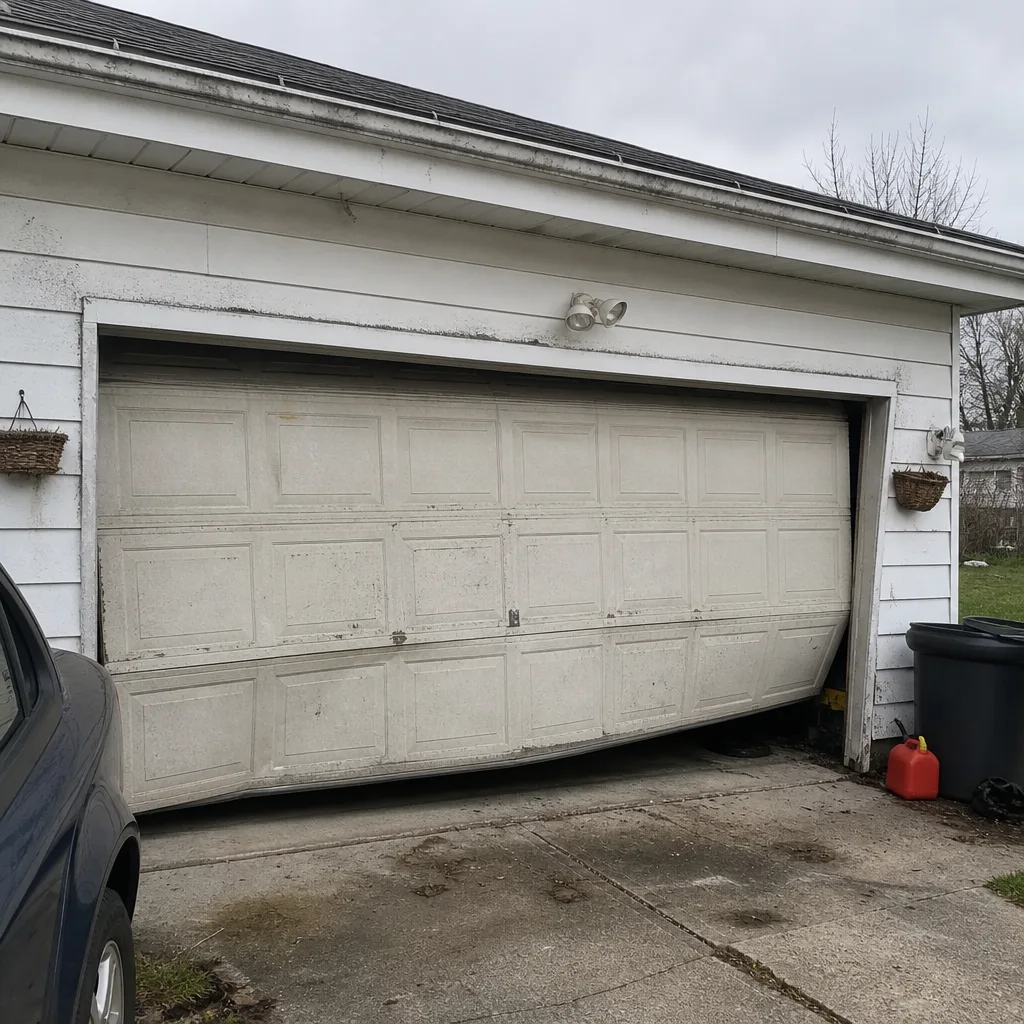 Before
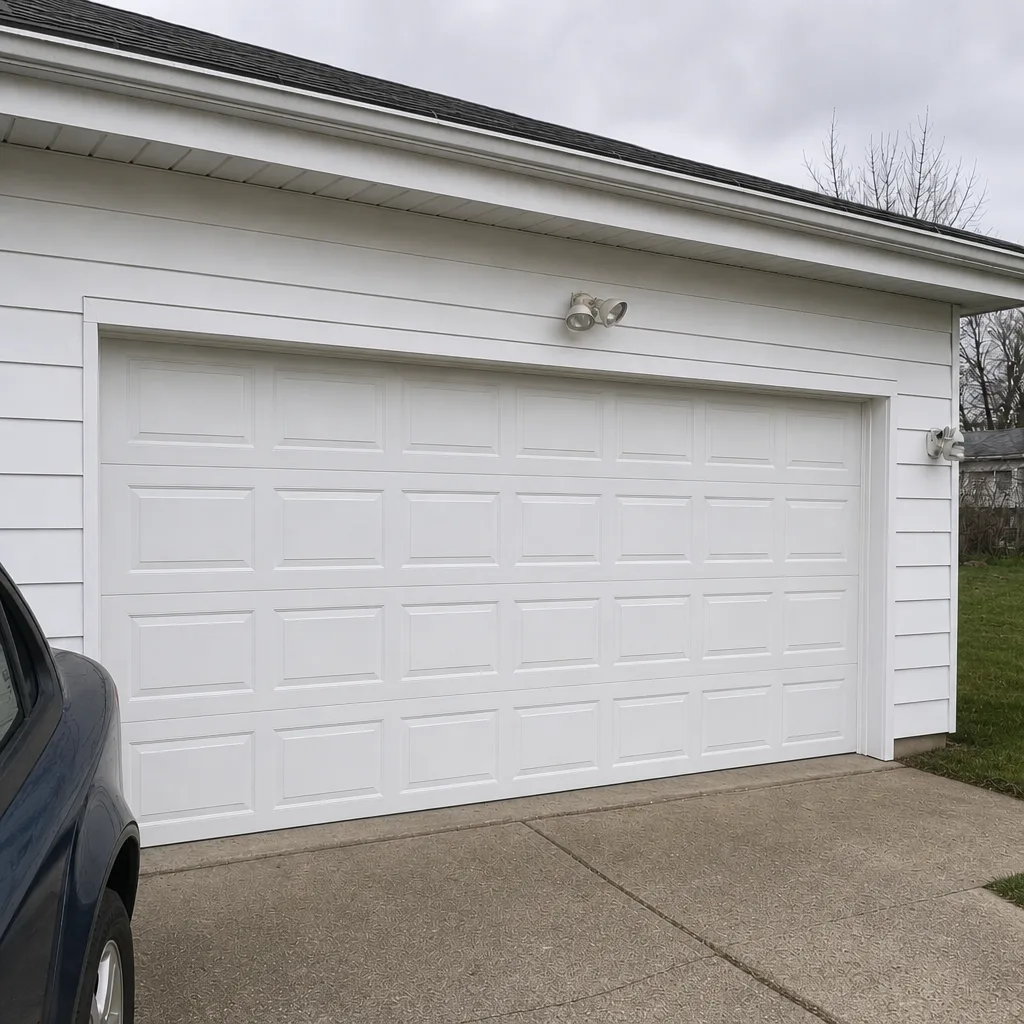 After
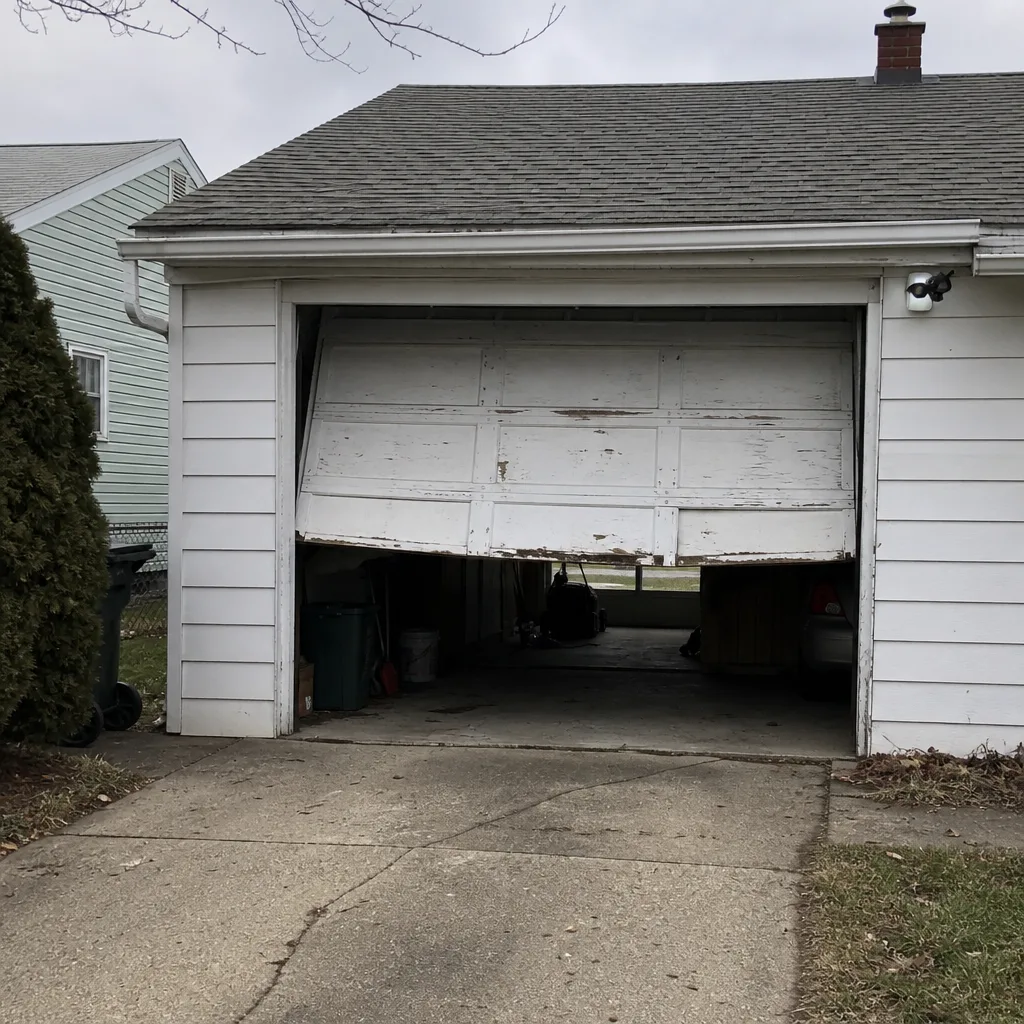 Before
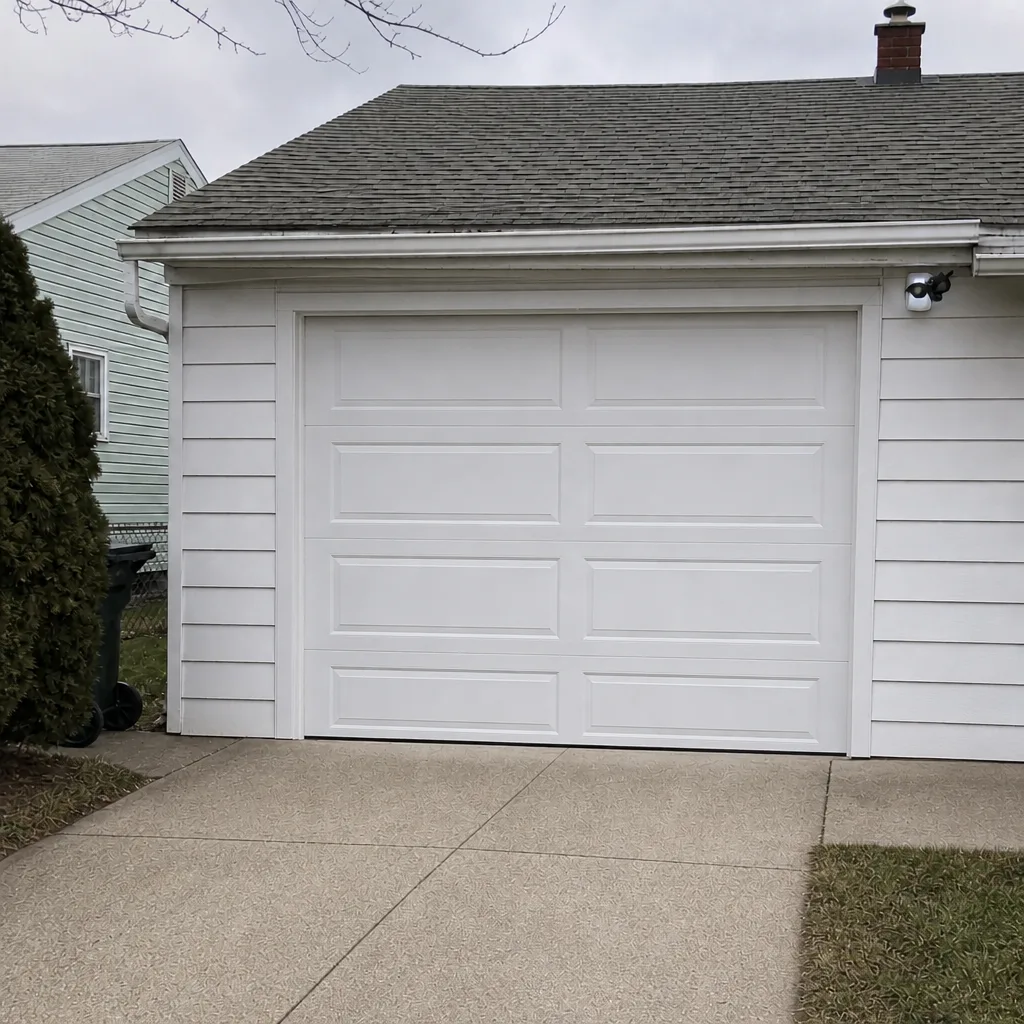 After
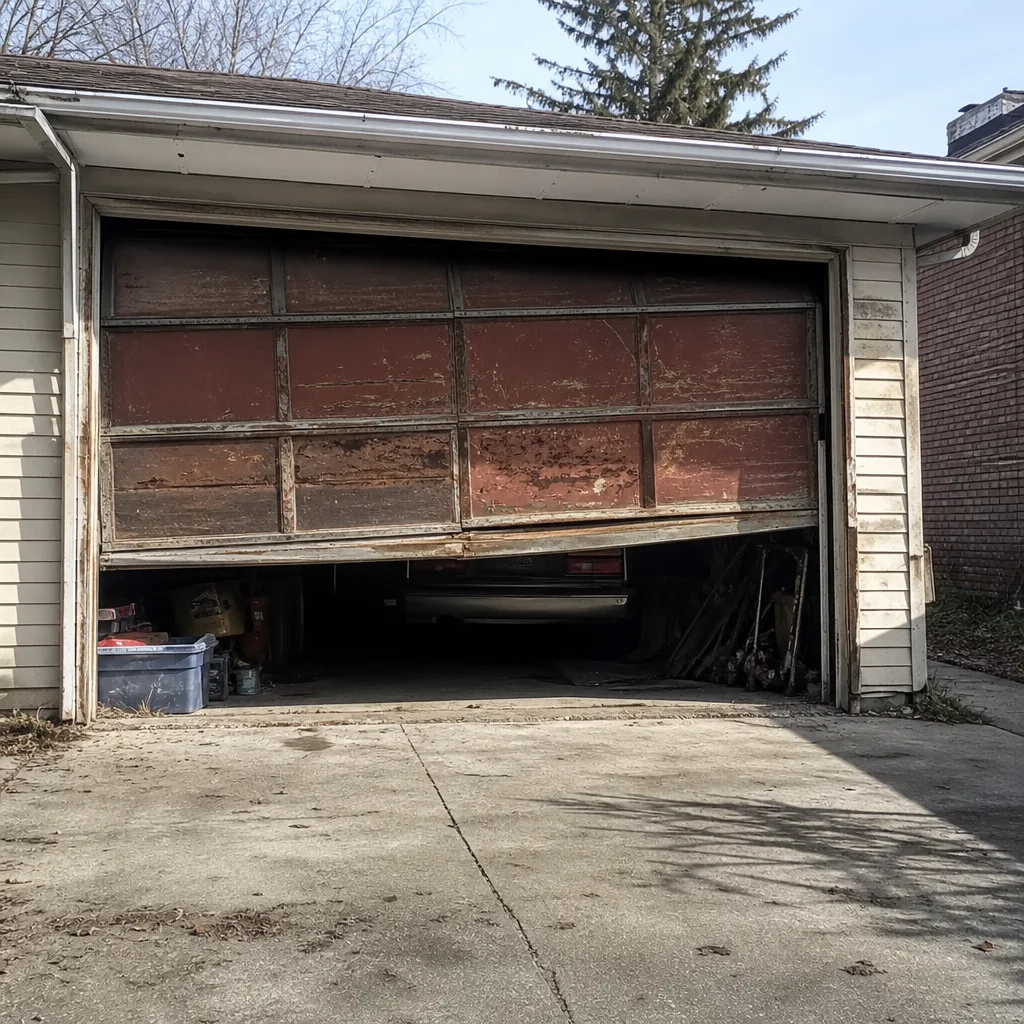 Before
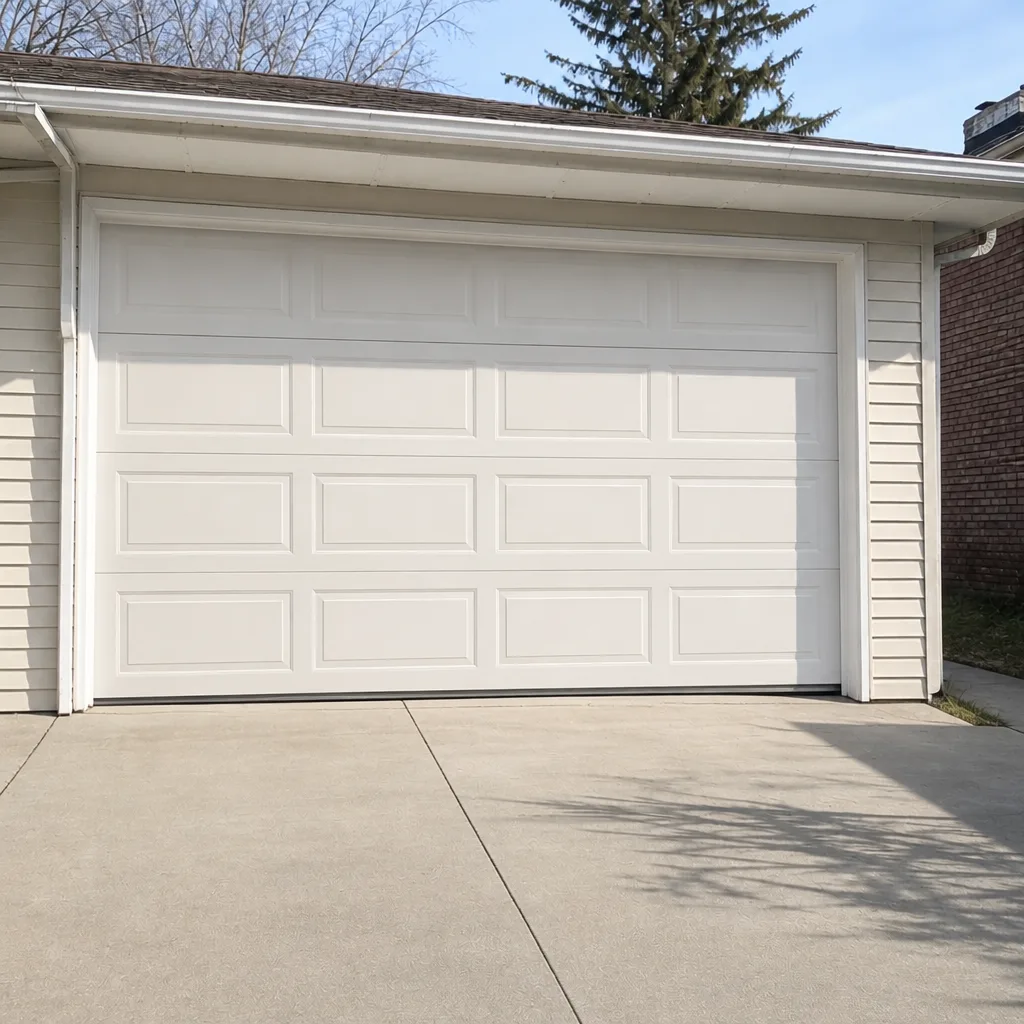 After
When to Call a Professional
If any of these are true, call a professional before work begins: your garage is attached and you’re replacing the full door; you’re unsure whether your address falls in a flood-adjacent area; you’ve had an opener replaced and you can’t confirm the safety-reverse actually works; your existing permit record is incomplete and you’re preparing to sell. A Parma garage door system that’s been installed incorrectly, rated incorrectly, or wired to the wrong opener can fail an inspection, and a spring, cable, or track failure on a rated door is a hire-out job, not a weekend project. High-tension springs and the cables under them are the parts of a garage door that most often cause serious injury when handled by untrained hands. If a spring is broken, don’t try to lift the door by hand. Call. Parma Garage Door Repair Co offers free estimates in Parma; call (844) 900-3998 and we’ll walk you through what your project needs.
Frequently Asked Questions
For a full replacement on an attached garage, yes, a permit is typically required because the door is part of a fire-rated wall assembly. For a like-for-like swap of the same size, model, and rating, or for an opener-only replacement, a permit is often not required, but you should confirm with the City of Parma building department before work starts. Call (844) 900-3998 for a free estimate – we’ll help you figure out which category your job falls into.
The permit is usually pulled by whoever performs the work, and that is normally the contractor, who is also registered with the city. If you’re doing the work yourself, you are the permit holder and are responsible for the inspection scheduling and final closeout. Ask any contractor up front who pulls the permit; it’s a fair question and the answer should be immediate.
The on-site inspection is usually short, under an hour, and covers the door’s rating label, the seal and closure, the framing attachment, and the opener’s safety-reverse and photo-eye function. Scheduling time is the longer variable; ask the City of Parma building department for the current inspection timeline when the permit is issued. Call (844) 900-3998 if you want a technician’s read on what your job will need before you file anything.
It usually surfaces during a home sale, when the buyer’s inspector or the title search flags the missing permit record, and it can delay closing or require a retroactive permit and inspection. Remediation is often possible – you file a late permit, pay the current fee, and schedule the inspection – but the calendar cost is the real hit. Call (844) 900-3998 for a free estimate on making an unpermitted install compliant.
In most cases no, because the garage door is at grade and above the base flood elevation, but if your address is mapped into a special flood hazard area, additional review may apply. Ask the City of Parma building department whether your address requires flood review before you order the door. Call (844) 900-3998 and we can note the address at estimate time so the scope matches reality.
No – the price we quote is the price agreed before work starts, and the written estimate is the final number. The only reason it would change is if the scope changes, like discovering the opening is a different size than expected, and that gets agreed with you before any additional work is done. Call (844) 900-3998 for a free estimate and an upfront number.
The Bottom Line
In Parma, the garage door permit question is narrower than it sounds and broader than most people think. A repair to a spring, cable, roller, or panel is not a permit item. An opener-only replacement usually isn’t either. A full door replacement on an attached garage typically is, because the rated wall it sits in is the thing being inspected. Get the classification right before you buy, pull the permit if it applies, keep the closeout paperwork, and ask your contractor to confirm scope, rating, and price in writing before anyone touches the door. The permit process is a small amount of paperwork now for the property to sell years from now without the awkward conversation. Call Parma Garage Door Repair Co at (844) 900-3998 for a free estimate.
Written by the team at Parma Garage Door Repair Co.