Last updated November 21, 2026
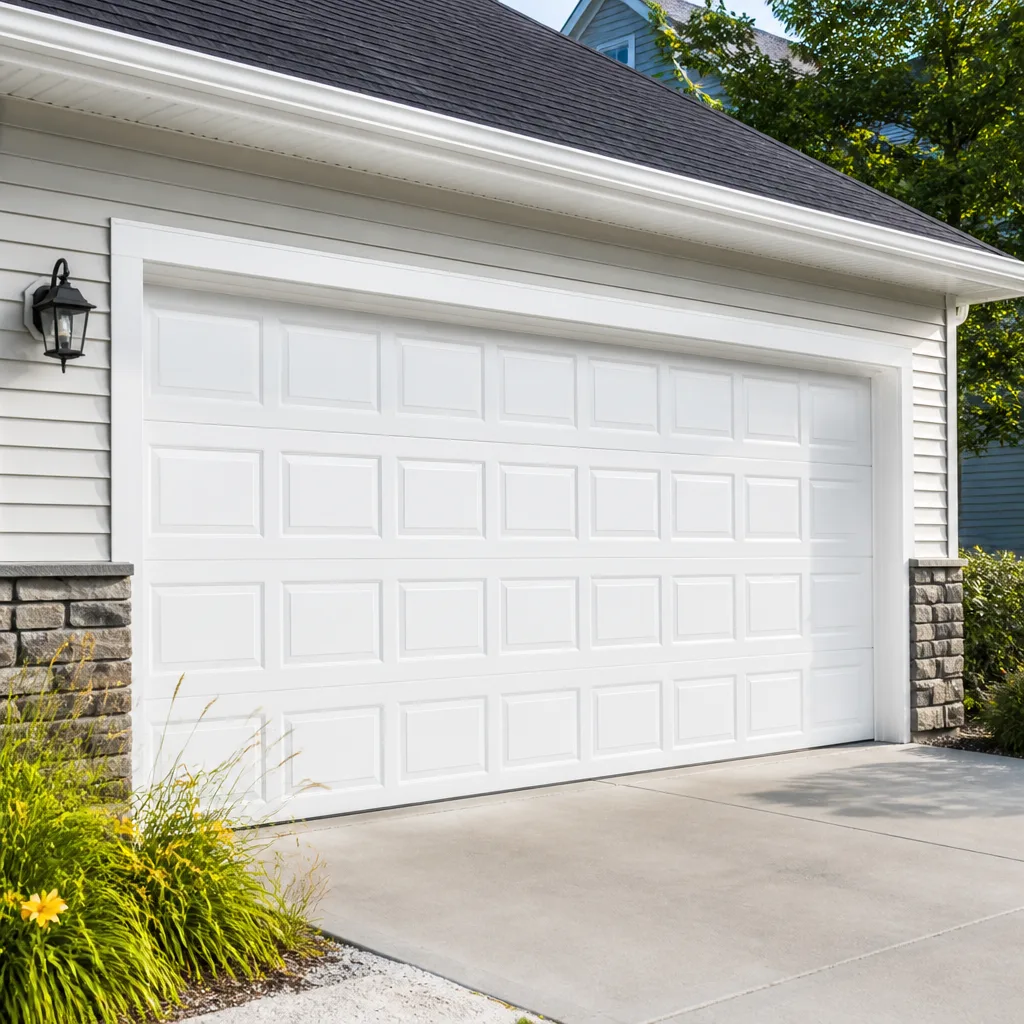 Raised-panel steel
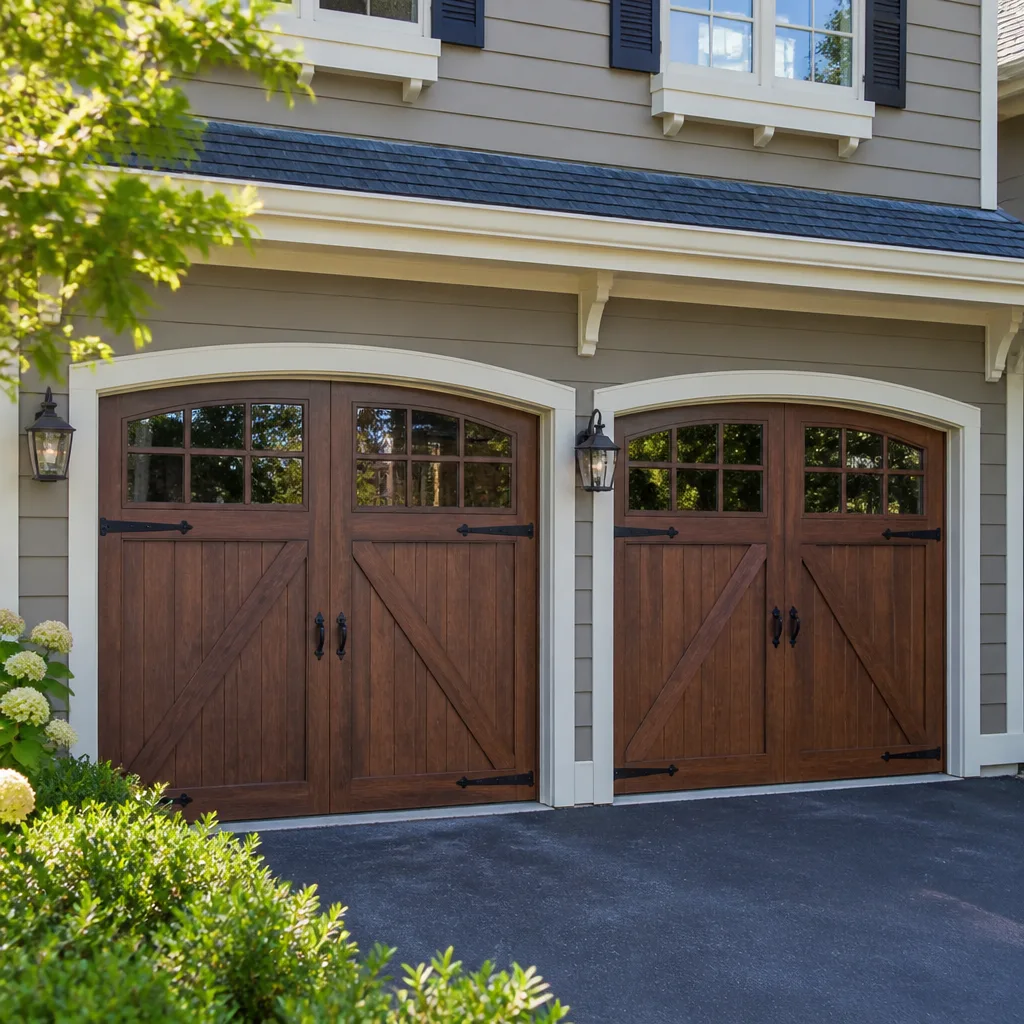 Carriage house
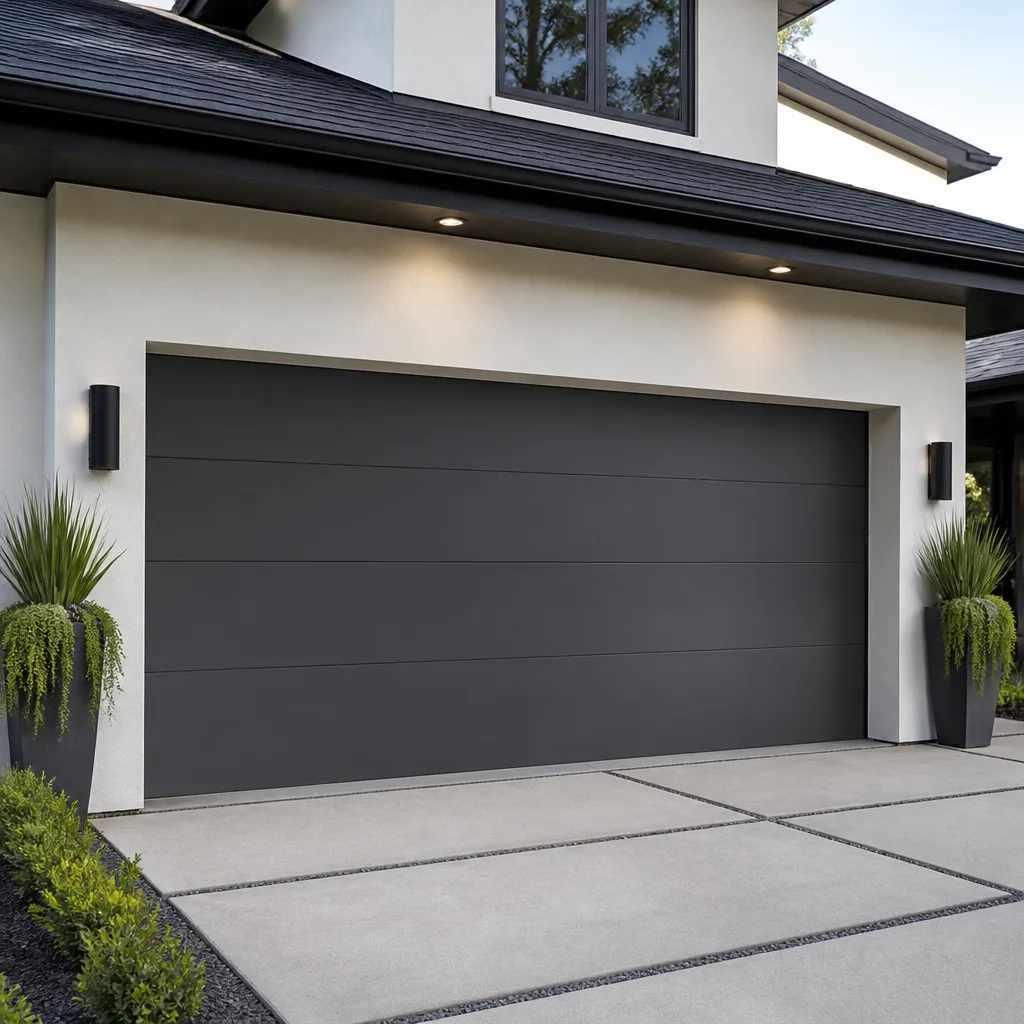 Modern flush
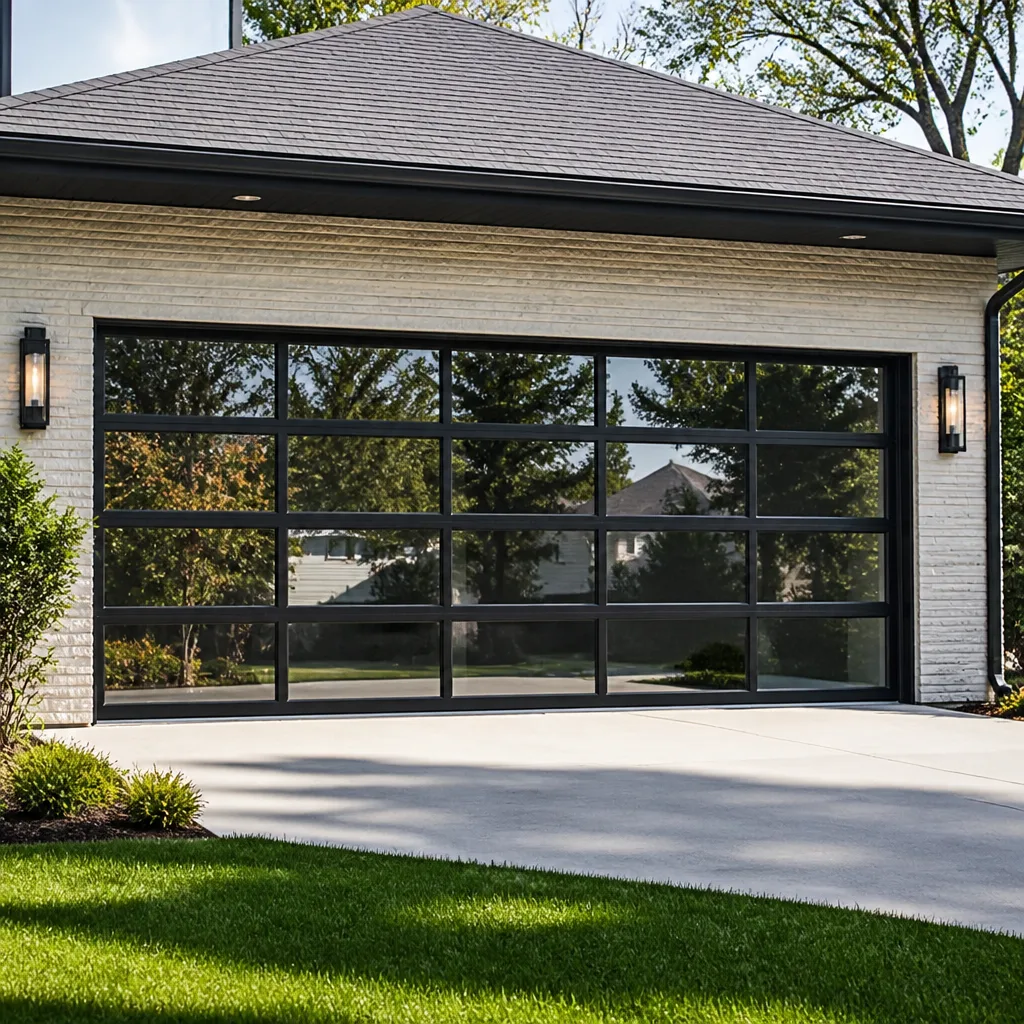 Full-view glass
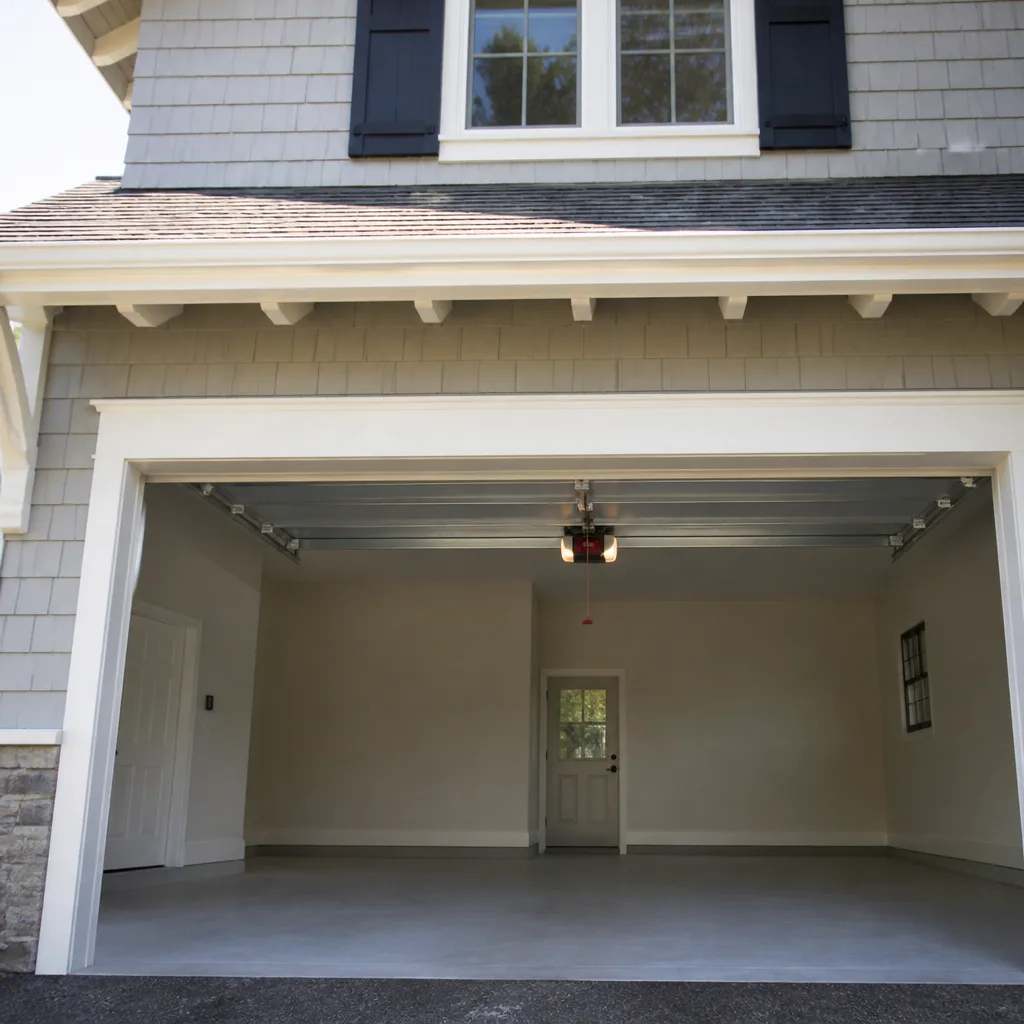 LiftMaster openers
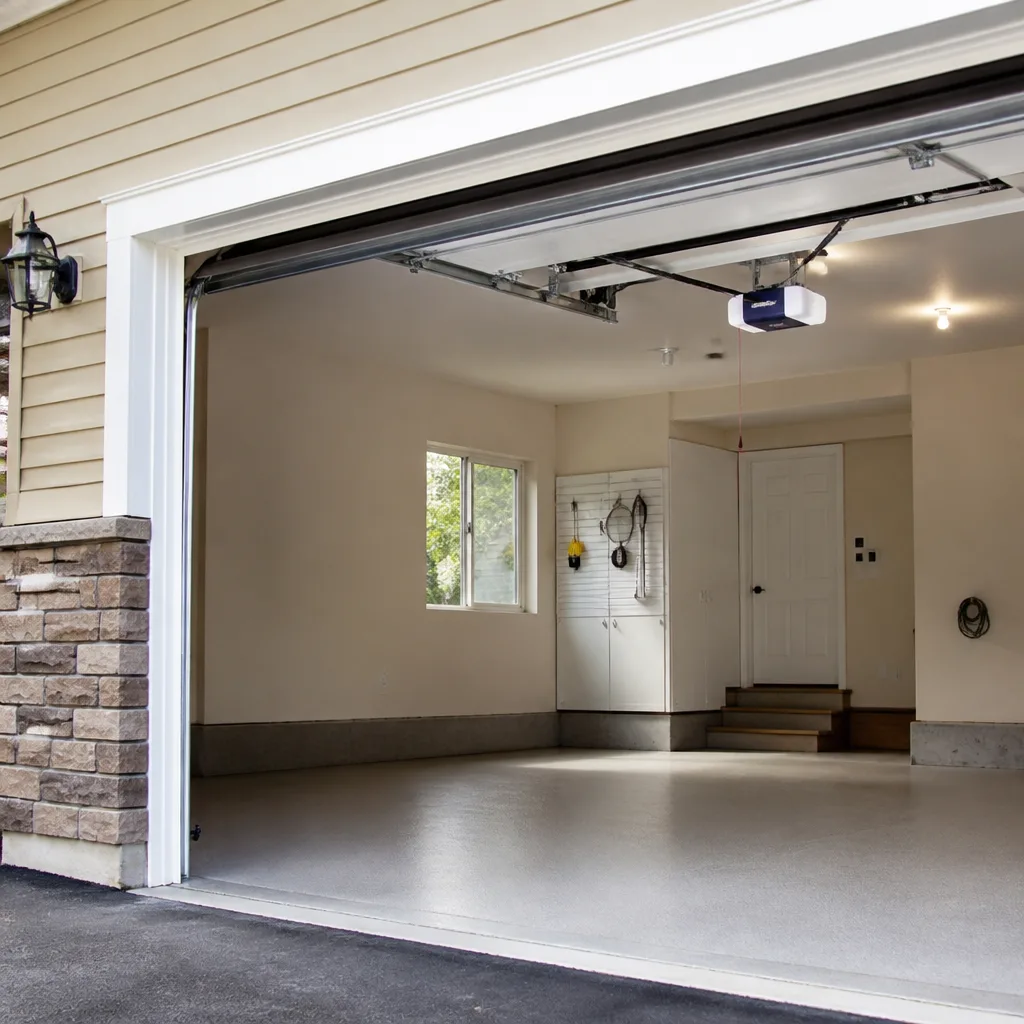 Chamberlain openers
Full 25-point door and opener safety check with every visit - springs, cables, rollers, tracks, and your LiftMaster or Chamberlain opener included
You get a price before we start. It does not change when the pro arrives.
Get your free estimateGarage Door Cost Breakdown: The Parma Homeowner’s Reference for 2026
The $799 door you found online will cost you closer to $1,400 installed in Parma once you add the labor rate, haul-away of the old door, the opener adapter if your current unit won’t talk to the new door, and the framing reinforcement that 1960s ranch construction almost always requires. That gap between the sticker and the invoice is where most homeowners get surprised, and it’s why door shopping and door budgeting are two different exercises. This guide breaks down every cost category separately – door, springs, opener, tracks, weatherstrip, labor – so you can see the full number before you make a single call. We’ll also cover how Parma’s older housing stock creates costs you won’t find in a national pricing chart, how material choice affects durability in a Northeast Ohio climate, and how to read a contractor quote so you can tell whether every category is actually in it.
Quick Answer
A complete garage door replacement in Parma typically runs $1,100 to $2,800 for a single-car steel door installed, and $1,800 to $4,500 for a double-car door, depending on material, insulation, and how much framing work your opening needs. A spring replacement is usually $180 to $340 for one spring, with matched pairs costing about twice that. Opener replacement typically lands between $350 and $750 installed. The written estimate sets the final price, and it should be agreed before any work starts.
Styles & brands we work with
- Raised-panel steel
- Carriage house
- Modern flush
- Full-view glass
- LiftMaster openers
- Chamberlain openers
Table of Contents
- What does each garage door component cost in Parma?
- What hidden costs show up in older Parma homes?
- How do steel, wood composite, aluminum, and fiberglass compare on cost and durability?
- Repair or replace? The math that settles it
- How to read a contractor quote line by line
- What does labor actually cost, and why does timing matter?
- How does Northeast Ohio weather affect door costs over time?
What does each garage door component cost in Parma?
Pricing a garage door project by component is the only way to see where your money actually goes. A new door isn’t one purchase – it’s a door, a track system, hardware, springs, weatherstrip, an opener in many cases, and the labor to install all of it. Here’s how those pieces break out for typical Parma residential work in 2026.
- Door panel (single-car, steel, uninsulated): $500 to $900
- Door panel (single-car, steel, insulated): $800 to $1,500
- Door panel (double-car, steel, insulated): $1,200 to $2,400
- Spring replacement (one torsion spring): $180 to $340
- Spring replacement (matched pair, usually done together): roughly double the single-spring price
- Opener replacement (belt or chain drive, installed): $350 to $750
- Track replacement (full set): $200 to $450
- Weatherstrip and bottom seal: $75 to $200
- Labor for a full door install: $300 to $700 depending on opening condition
- Haul-away and disposal of the old door: $50 to $150
Those numbers are estimates for typical Parma jobs, not quotes. The two variables that move them most are door size and opening condition. A standard 9-foot single door is the baseline; wider openings, arched designs, and carriage-house styles push panel costs up quickly. Insulated doors cost more upfront but matter in this climate, where a garage shares a wall with the house and an uninsulated door turns that wall into a heat sink through January and February.
If your current door is still structurally sound and the problem is mechanical, you may not need panel pricing at all. A dedicated garage door repair call is often the right first move, because a technician can tell you in one visit whether you’re looking at a $250 fix or a $2,000 replacement.
What hidden costs show up in older Parma homes?
Parma’s housing stock is overwhelmingly mid-century ranch construction, and that single fact shapes the cost of nearly every door replacement in the city. Openings built in that era were framed for the doors of that era, and the dimensions, the header condition, and the electrical setup don’t always match what a modern door and opener need. Here’s what typically turns up.
- Rotted or sagging header boards. The header above the opening carries the weight of the wall and the door’s torsion system. Decades of freeze-thaw cycles and any past water intrusion can soften it. Reinforcement or replacement adds $150 to $500 depending on scope.
- Non-standard rough openings. A 1960s opening that measures a fraction off means a stock door won’t fit cleanly. Custom sizing or furring out the opening adds cost and lead time.
- Outdated opener wiring. Older homes often have an outlet in the ceiling that’s ungrounded, or wiring run in a way that won’t support a modern opener’s safety sensors. Bringing that up to code adds $100 to $300.
- Bent or undersized tracks. Original tracks from decades past may be too light for a heavier insulated door, forcing a track upgrade you didn’t plan for.
- Floor slab irregularities. A settled garage floor can leave a gap under the new bottom seal, which needs a threshold or seal adjustment to keep weather and pests out.
None of these are reasons to avoid the project. They’re reasons to have the opening inspected before you commit to a door, so the estimate reflects what’s actually there. That’s the difference between a quote that holds and an invoice that grows.
How do steel, wood composite, aluminum, and fiberglass compare on cost and durability?
Material choice is the biggest lever on both the upfront price and the long-term cost of ownership in Parma’s climate. Northeast Ohio delivers hot, humid summers and cold, wet winters with repeated freeze-thaw cycles, and that cycle is hard on any door that absorbs moisture or expands unevenly. Here’s how the four common residential materials stack up.
- Steel: The most common choice and the best value. Uninsulated steel starts around $500 for a single door; insulated steel runs $800 to $1,500. Steel handles freeze-thaw well, resists moisture, and holds paint. The trade-off is dents from impacts – a backed-in car or a stray basketball shows permanently.
- Aluminum: Lighter than steel and rust-proof, which suits humid summers. It dents more easily than steel and costs roughly 10 to 20 percent more for comparable sizing. A reasonable pick for a door that won’t see much impact.
- Wood composite: The premium look, with a price to match – often $1,500 to $3,500 for a single door. Composite resists rot better than natural wood, but in a climate with this much moisture variation, it still needs periodic refinishing to hold up. Expect higher maintenance over the door’s life.
- Fiberglass: Won’t dent or rust and holds color well. It’s lighter, which can mean less strain on the opener and springs, but it offers less insulation value unless it’s a foam-filled panel. Pricing sits between steel and composite.
For most Parma homeowners, insulated steel is the sweet spot: it holds up to the weather, insulates the shared wall, and keeps the budget in a reasonable range. If you’re set on a carriage-house look or a specific architectural style, composite is worth the premium – just budget for the upkeep. Whichever you choose, garage door installation is work we handle directly, so you’re not coordinating a separate installer after you buy the door.
Repair or replace? The math that settles it
The repair-versus-replace decision comes down to a simple ratio: if the repair costs more than half the price of a new door, and the door is near the end of its service life, replacement usually wins. Below that threshold, repair is almost always the better use of money. Here’s how the math plays out in practice.
- Add up the repair cost. A single spring replacement runs $180 to $340. A pair is roughly double. An opener replacement is $350 to $750 installed. Add them if more than one system is failing.
- Get the replacement range. Single-car insulated steel installed is typically $1,100 to $2,800 in Parma; double-car runs $1,800 to $4,500.
- Compare the ratio. If repairs come in under half the replacement cost, repair. If they’re pushing past that and the door panels are also showing age, replacement makes more financial sense.
- Weigh the door’s condition separately. A 15-year-old door with good panels and a failed spring is a repair. A door with rusted-through bottom sections, cracked panels, and a worn spring is a replacement conversation.
One thing that shifts the math: opener age and compatibility. If your opener is old enough that a new door would need an adapter or a full swap, that cost belongs in the replacement column, not the repair column. We work on garage door opener repair as its own specialty, so we can tell you whether your current unit will drive a new door or whether it’s time for both.
There’s a safety angle here too. Springs are under extreme tension and are one of the most dangerous parts of the entire door system to handle. A failing spring isn’t a weekend project – it’s a call to a trained technician, every time.
How to read a contractor quote line by line
A quote that only lists “door and install” is hiding categories you’ll pay for later. A complete estimate names every line. When you look at a garage door quote in Parma, check that it covers all of the following before you sign anything.
- Door make and model. Vague descriptions let a contractor swap in a cheaper door after you’ve agreed. If they name a brand like Clopay, Amarr, Wayne Dalton, or Raynor, the specific model should be there too.
- Labor, listed separately. Baked-in labor hides the rate. You want to see it.
- Old door removal and haul-away. Confirm it’s included. It’s a real line item, often $50 to $150.
- Opener compatibility. If your existing opener won’t work with the new door, that adapter or replacement should be in the quote, not sprung on you at install.
- Springs and hardware. New doors come with springs sized for that door. Confirm they’re included, not an add-on.
- Framing and header work. If the opening needs reinforcement, it should be listed. If the contractor hasn’t inspected the opening, ask them to.
- Weatherstrip and seals. Bottom seals and perimeter weatherstrip are easy to leave off and easy to upcharge.
- Permit responsibility. Most cities require a permit for structural or electrical work on a garage door project. Ask your city’s building department what applies to your job, and confirm who’s pulling it.
- Warranty terms. Ask what’s covered on the door, the springs, and the labor, and for how long.
A written estimate should set the final price, and that price should be agreed before any work starts. If a quote skips any of these lines, ask about them directly – the answer tells you a lot about how the rest of the job will go.
What does labor actually cost, and why does timing matter?
Labor is the line homeowners most consistently forget, and it’s not a small one. For a full door installation in Parma, labor typically adds $300 to $700 on top of the door and hardware, varying with opening condition and door complexity. For emergency work – a door that won’t close, a car trapped inside, a home left open to the weather – the urgency of the call is a real part of what you’re paying for.
Our technicians have up to 8 years of experience, and that experience shows up fastest on the jobs that go wrong mid-install: an opening that’s out of square, an opener that doesn’t match the new door’s safety sensors, a header that needs reinforcement before the door can hang level. When those situations come up, the job stops being a swap and becomes a fix, and a technician who’s seen it before handles it without a second visit.
Timing matters for a different reason on replacement work. A new door is measured, ordered, and scheduled – it isn’t something anyone can install the same day you call. On repair work, though, speed is the whole point. If your door is stuck open, stuck closed, or making the kind of noise that says a spring is about to go, that’s when you want a fast response and a clear price before the work starts. We handle emergency garage door service as a core part of what we do, not an add-on, and we’ll tell you upfront what the repair is likely to run.
We work on the major opener and door brands homeowners actually have in their garages – LiftMaster, Chamberlain, Genie, Craftsman, Clopay, Amarr, Wayne Dalton, and Raynor – so the technician knows your system before they arrive instead of looking it up on your driveway.
How does Northeast Ohio weather affect door costs over time?
Parma’s climate doesn’t change the up-front price of a door, but it changes what the door costs you over the years. Freeze-thaw cycles work on the concrete and framing around the opening. Humidity in July swells wood and stresses paint. Snowmelt and spring rain work on bottom seals and any metal that isn’t properly finished. All of it adds up in maintenance and eventual replacement timing.
- Freeze-thaw cycles shift and settle the slab, so a bottom seal that fit in October can gap by March. A good seal is a cheap fix; a bad one lets water and cold air in all winter.
- Summer humidity is the biggest argument against wood doors unless you’re committed to refinishing. Composite helps, but nothing wood-based escapes the moisture cycle entirely here.
- Snow and road salt tracked into the garage attack bottom panels and tracks. Rinsing the bottom sections and keeping tracks clean extends the door’s life.
- Winter cold makes springs more brittle and more likely to snap, which is why a lot of spring failures happen in the coldest weeks. An insulated door keeps the garage from swinging wildly with outdoor temperatures.
Budgeting a small annual maintenance amount – a seal check, a track cleaning, a spring inspection – is far cheaper than an unplanned mid-winter repair. A door that’s tuned up going into winter tends to have fewer surprises in January.
Common Mistakes to Avoid
- Pricing the door and forgetting the install. The number on the box isn’t the number on the invoice. Labor, haul-away, and opener compatibility typically add several hundred dollars to the project. Budget the full number before you shop.
- Skipping the opening inspection. In Parma’s older ranch homes, assuming the opening is square and the header is sound is how estimates turn into surprises. Have the opening looked at before you commit to a door.
- Replacing one spring when a matched pair is due. Springs are usually replaced in pairs because they wear at the same rate. Replacing one often means the other fails shortly after – and a spring is not a DIY job.
- Buying a door without checking opener compatibility. A new door can fail to work with an older opener’s safety sensors or drive setup. Confirm the two will talk before you buy, or you’ll pay to fix it later.
- Ignoring the permit question. Most cities require a permit for structural or electrical work on a garage door project. Ask your city’s building department what applies, rather than assuming it doesn’t.
- Signing a one-line quote. A quote that doesn’t itemize door, labor, springs, seals, and disposal is a quote you can’t verify. Ask for the breakdown in writing.
- Treating a snapped spring as a wait-and-see. A broken spring leaves the door dangerously unbalanced – it can drop. Don’t run the opener against a broken spring, and don’t try to replace one yourself.
See the difference
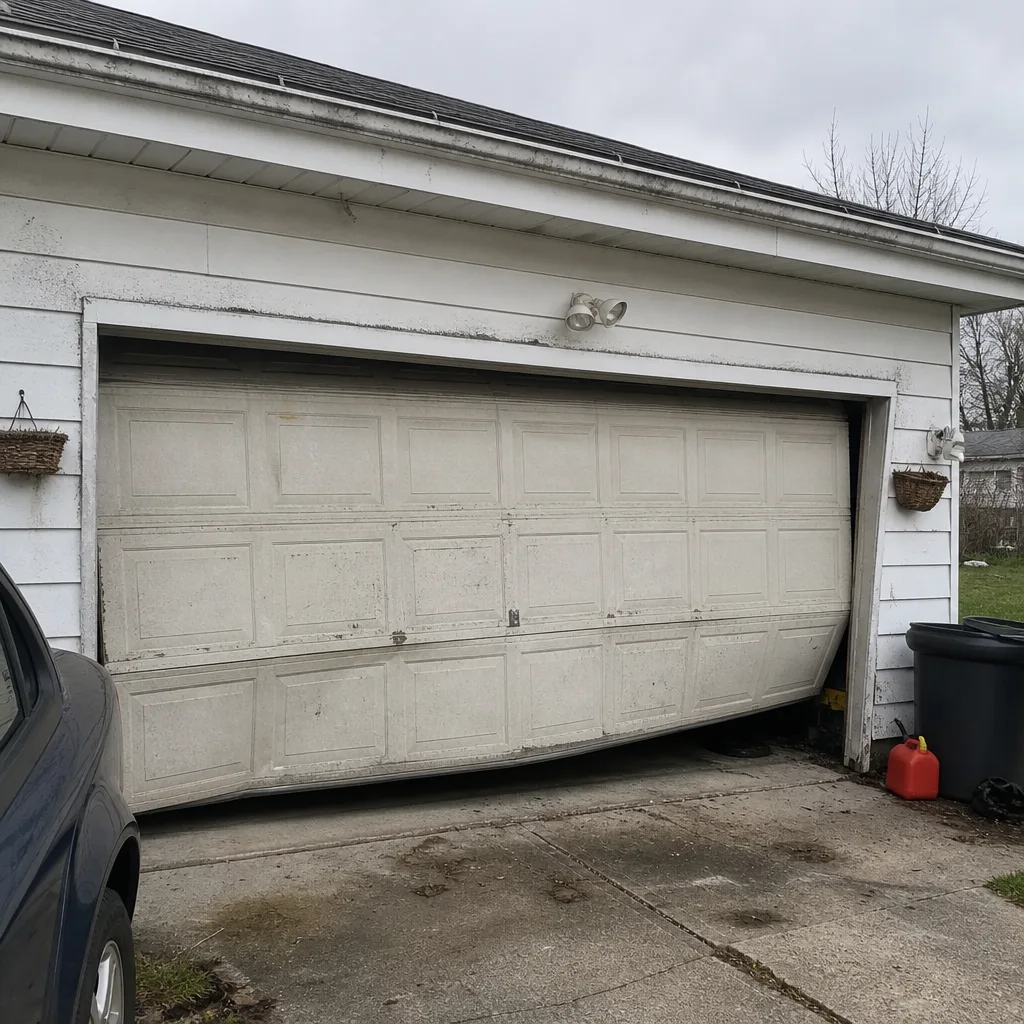 Before
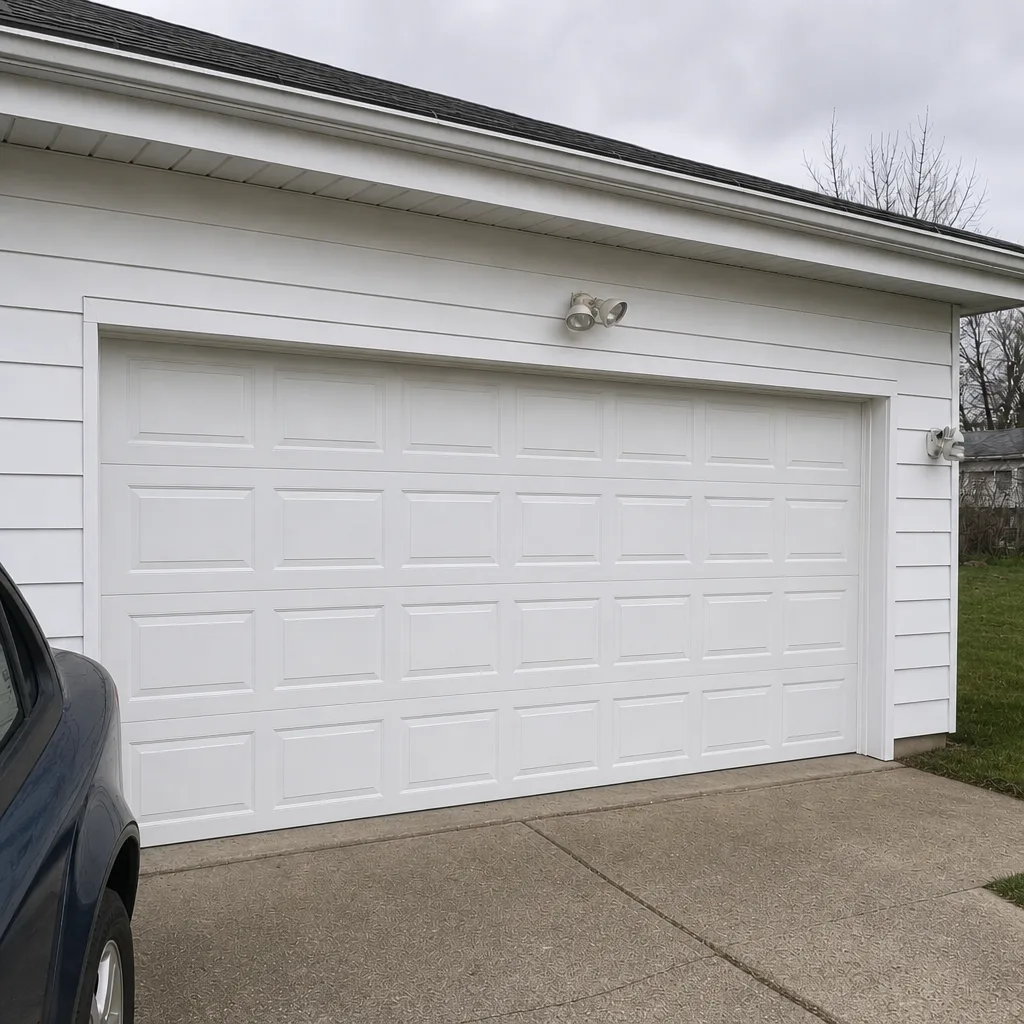 After
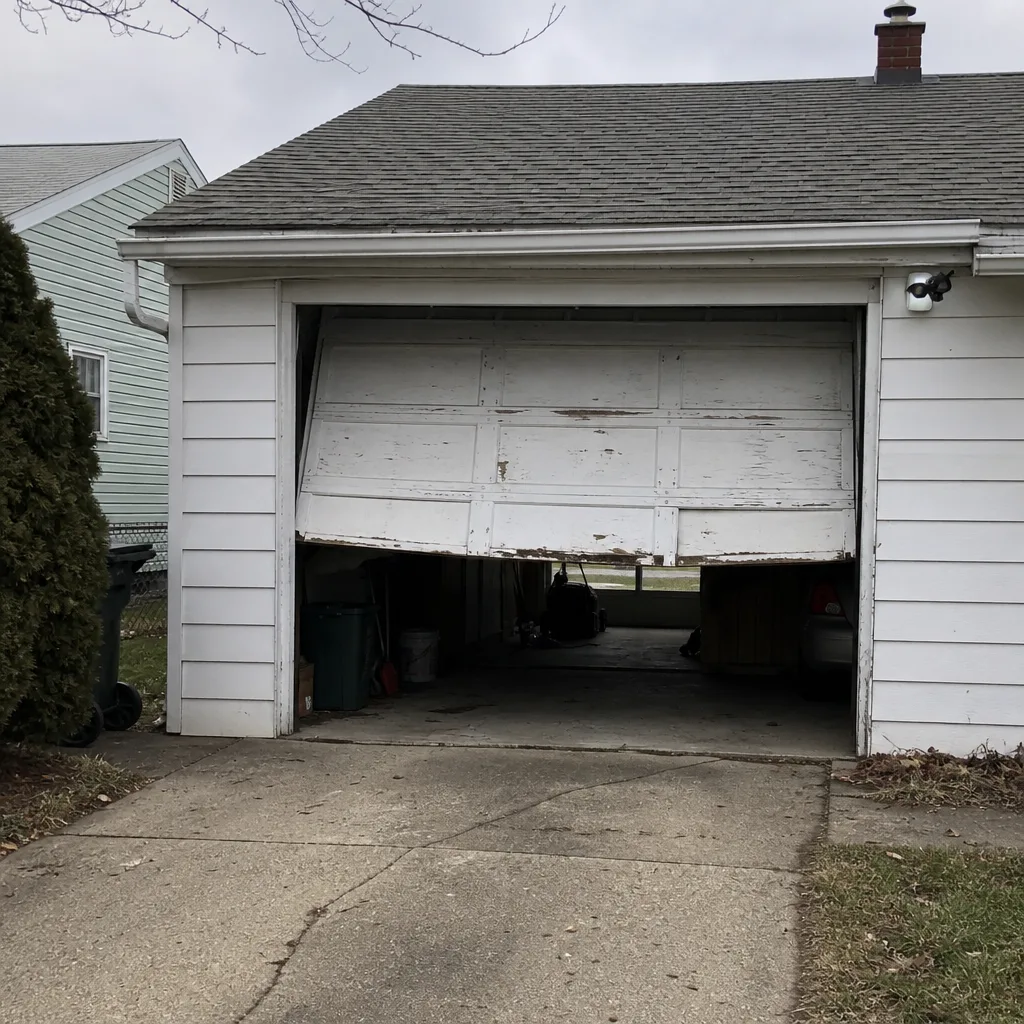 Before
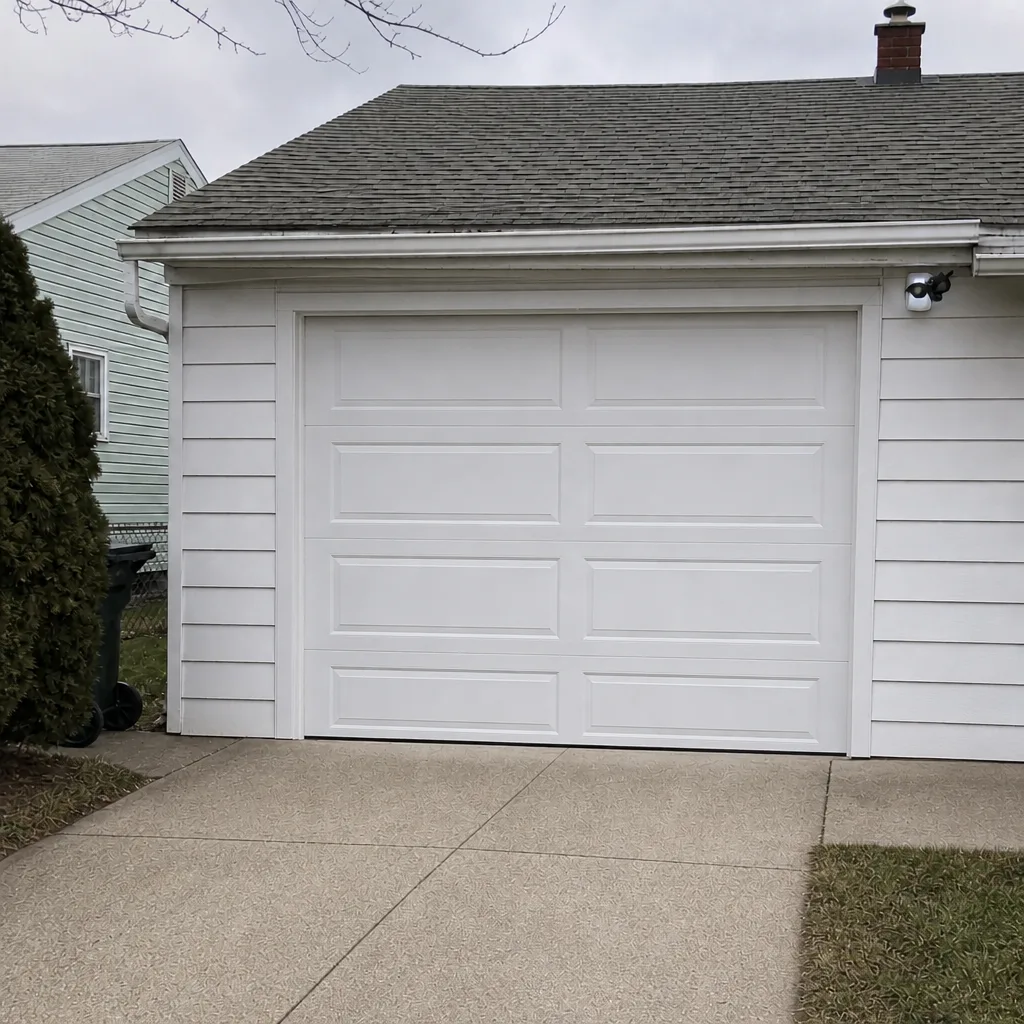 After
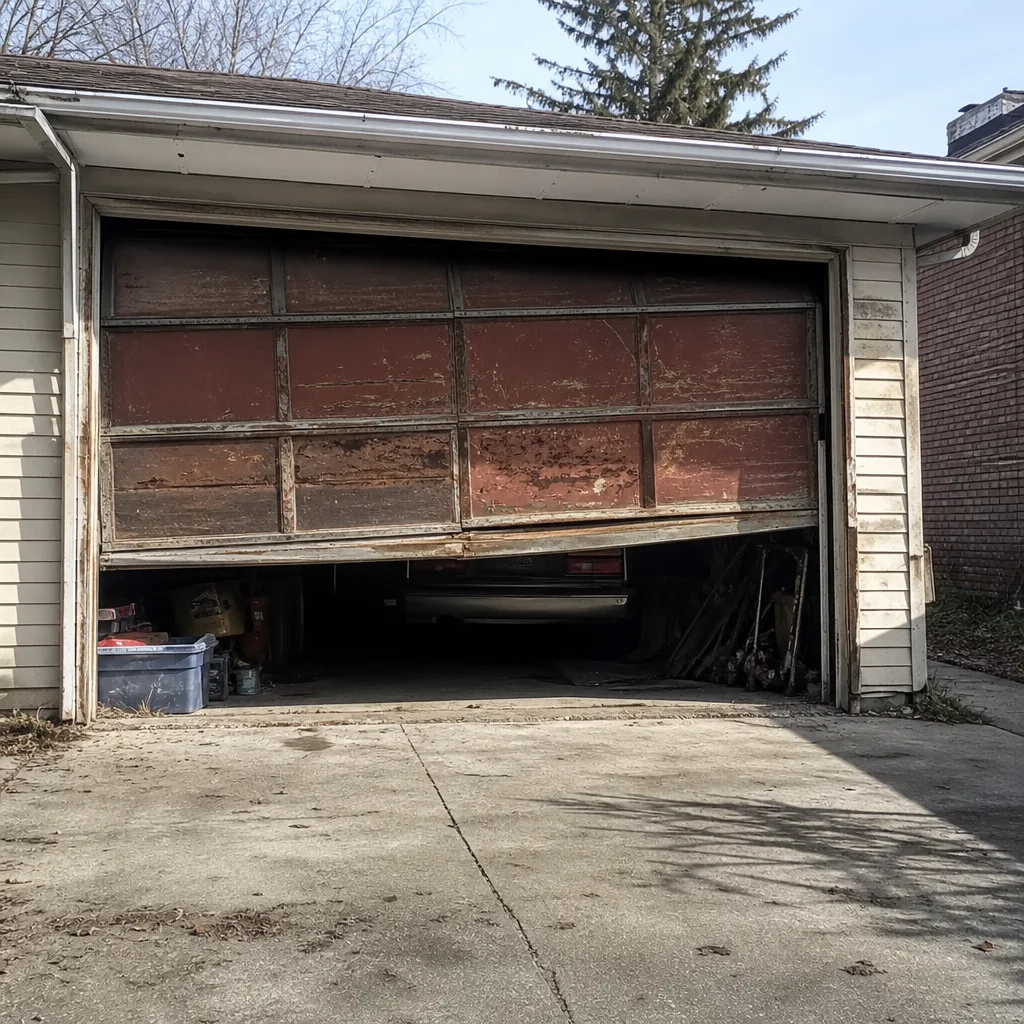 Before
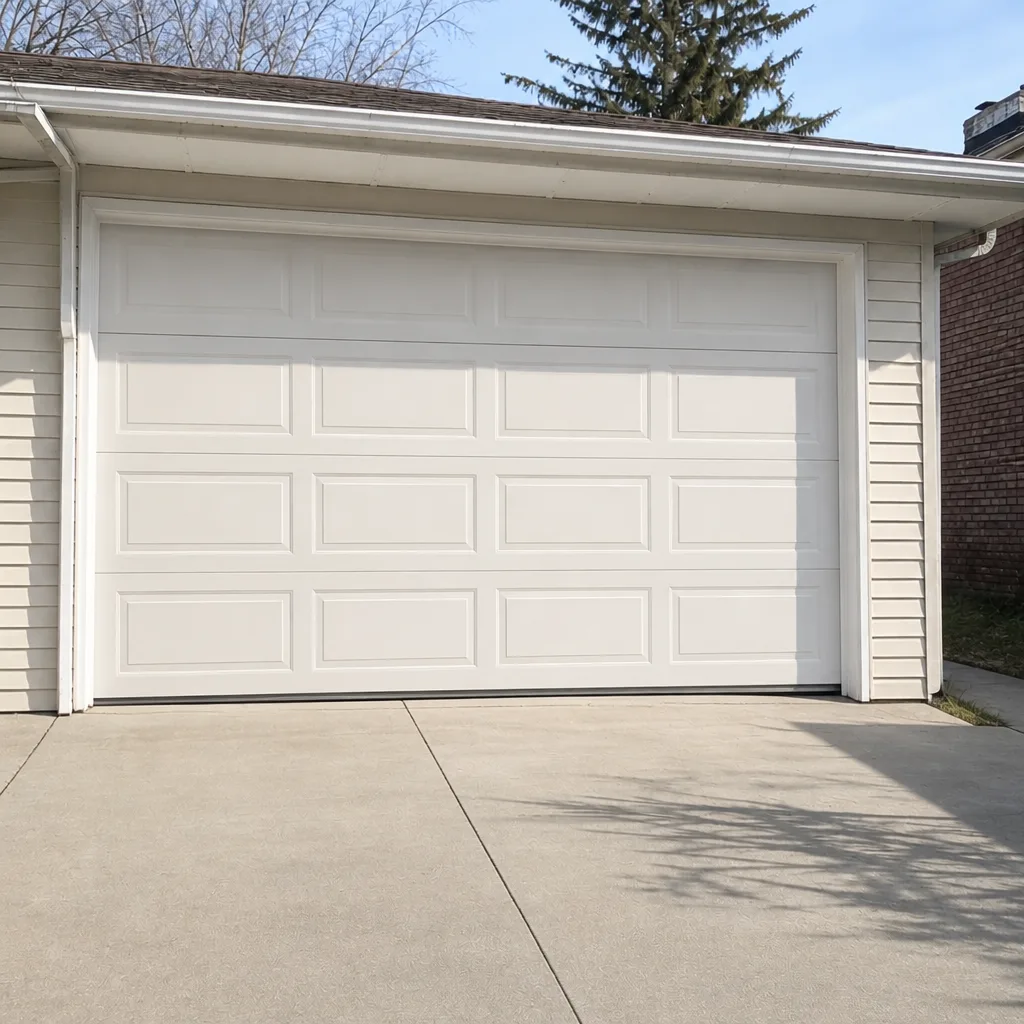 After
When to Call a Professional
Some garage door work is a project; some is urgent. Call a professional when a spring has snapped, when the door is stuck open or closed, when the opener runs but the door doesn’t move, or when you hear grinding, popping, or scraping that wasn’t there before. Call if the door has come off its tracks, if the bottom seal has failed and weather is getting in, or if you’re weighing repair against replacement and want a straight answer before you spend. Springs and torsion systems are under extreme tension and are genuinely dangerous to handle – a trained technician with the right tools should always do that work. If you’re in Parma and want a clear number before you decide, Parma Garage Door Repair Co offers free estimates in Parma – call (844) 900-3998.
Frequently Asked Questions
Garage door replacement in Parma typically costs $1,100 to $2,800 for a single-car insulated steel door installed, and $1,800 to $4,500 for a double-car door. The range reflects material, insulation level, and how much framing work the opening needs in older homes. The written estimate sets the final price. Call (844) 900-3998 for an exact quote – estimates are free.
Spring repair in Parma typically costs $180 to $340 for one spring, with a matched pair about twice that. Springs are usually replaced in pairs because they wear together. Call (844) 900-3998 to get a price on your door before the work starts.
No – the price is quoted and agreed before any work starts. The point of inspecting the opening and the hardware first is to catch surprises like a rotted header or a non-standard opening before they show up as extra charges. What you agree to is what you pay.
Yes – the local pro we connect you with is licensed and insured as their state requires, and our technicians have up to 8 years of experience. We work with the major door and opener brands, from LiftMaster and Chamberlain to Clopay and Wayne Dalton. Call (844) 900-3998 with your questions.
Repair is cheaper when the total repair cost stays under about half the price of a new door. Once repairs approach or pass that ratio – and the door panels are also aging – replacement usually makes better financial sense. The written estimate on both options is the fastest way to see the real comparison. Call (844) 900-3998 and we’ll walk through both numbers.
Most cities require a permit for structural or electrical work tied to a garage door project, but the rules vary by job. Ask your city’s building department what applies to your specific project before work begins. We’re glad to talk through what your installation will involve when you call (844) 900-3998.
The Bottom Line
The full cost of a garage door project in Parma is never just the door. It’s the door, the labor, the springs, the opener compatibility, the disposal, and – in older ranch homes especially – the framing and wiring work that shows up once someone inspects the opening. Budget the whole number and you’ll get accurate comparisons and fewer surprises. Repair beats replacement when the repair stays under about half the cost of a new door; replacement wins once the door itself is aging and the repairs start stacking. Whatever the diagnosis turns out to be, a written estimate should set the price before the work starts.
Whether the job is a spring, an opener, a panel, or a full new door, Parma Garage Door Repair Co handles it in one call – no second contractor, no runaround when the diagnosis turns out to be different than expected. The door you have is the door we work on, and the brands you’ll find in most Parma garages are brands we know cold. If you’re ready for a real number, call (844) 900-3998 for a free estimate. We’ll give you the full breakdown, line by line, before anyone touches the door.
Written by the team at Parma Garage Door Repair Co.