Last updated November 21, 2026
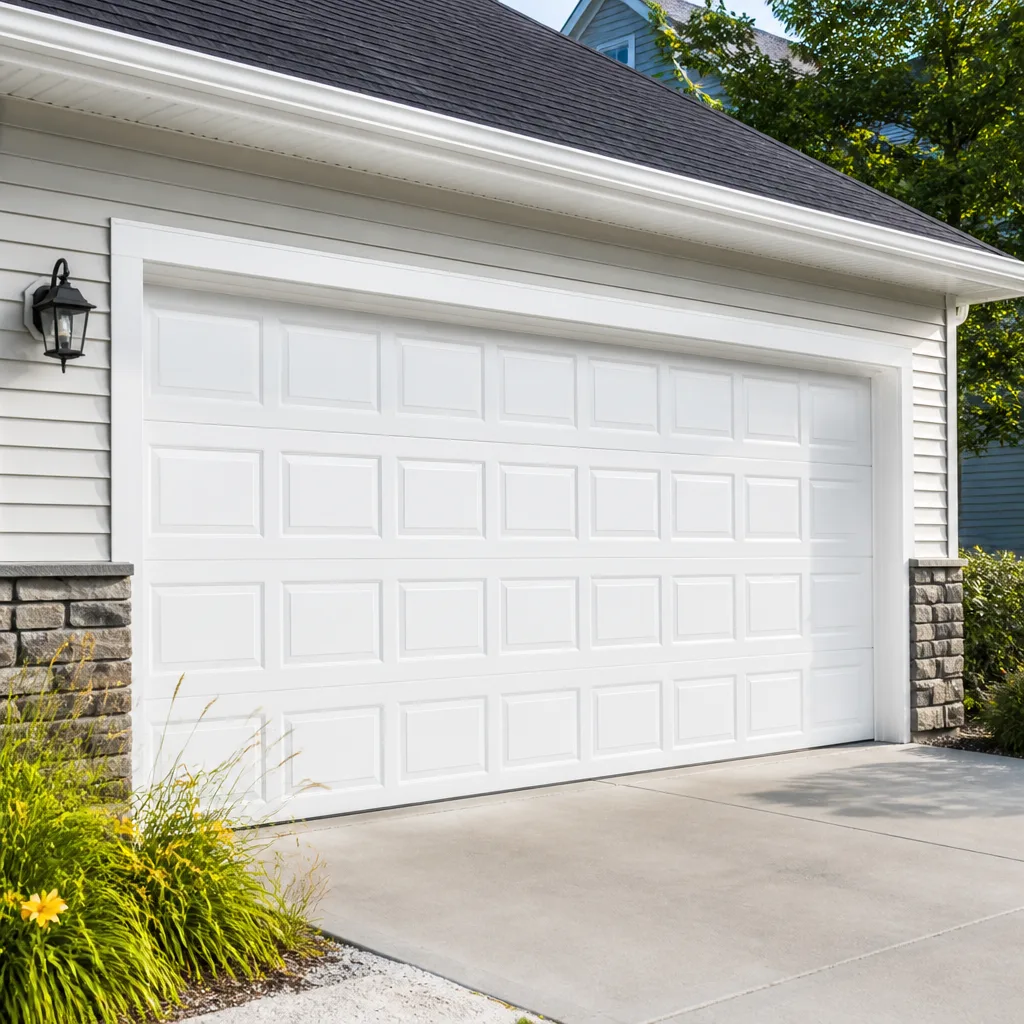 Raised-panel steel
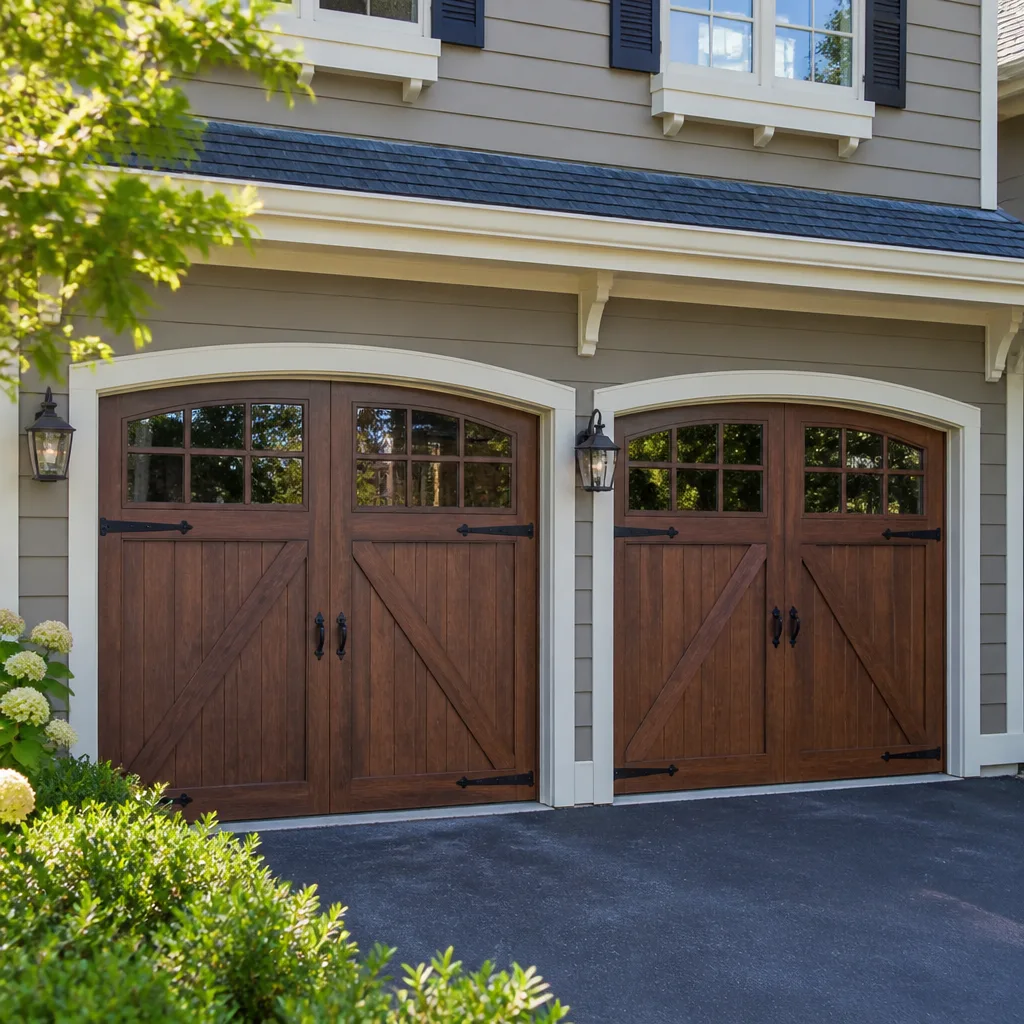 Carriage house
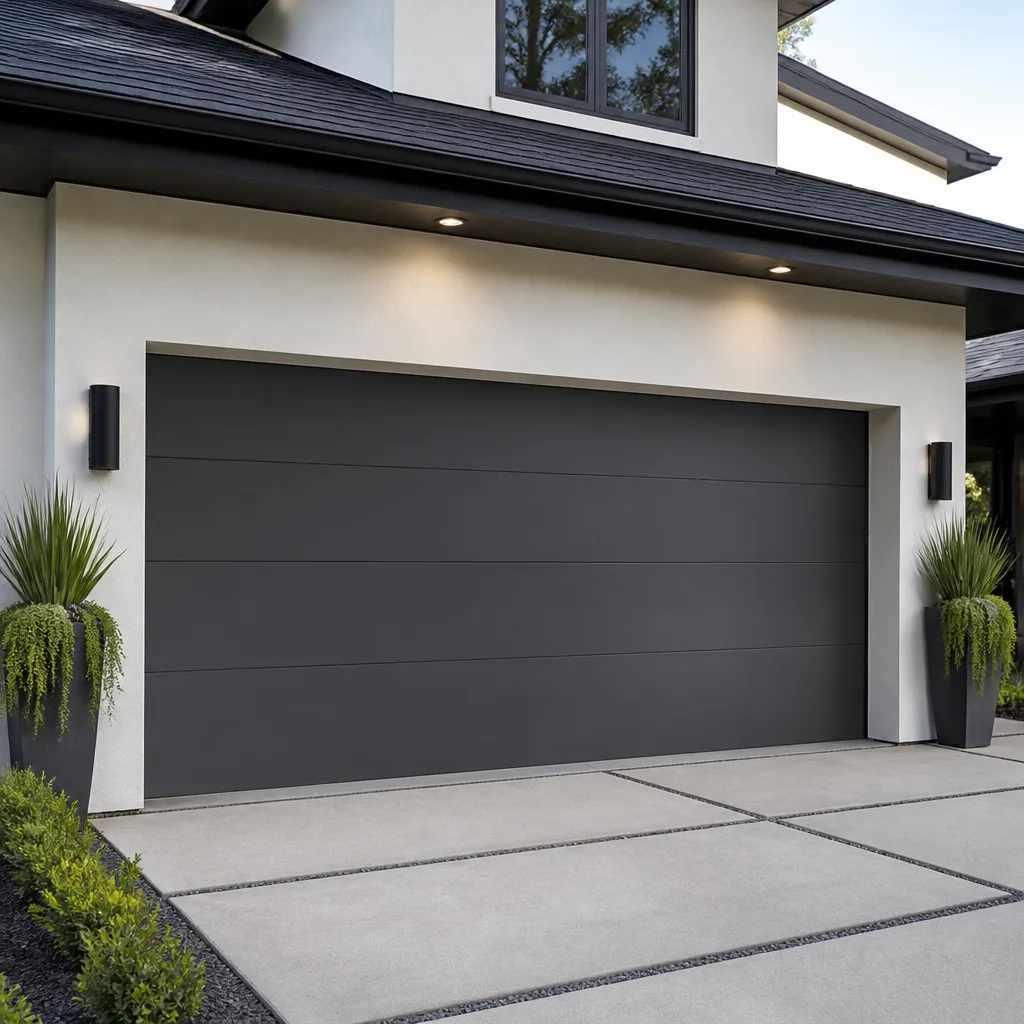 Modern flush
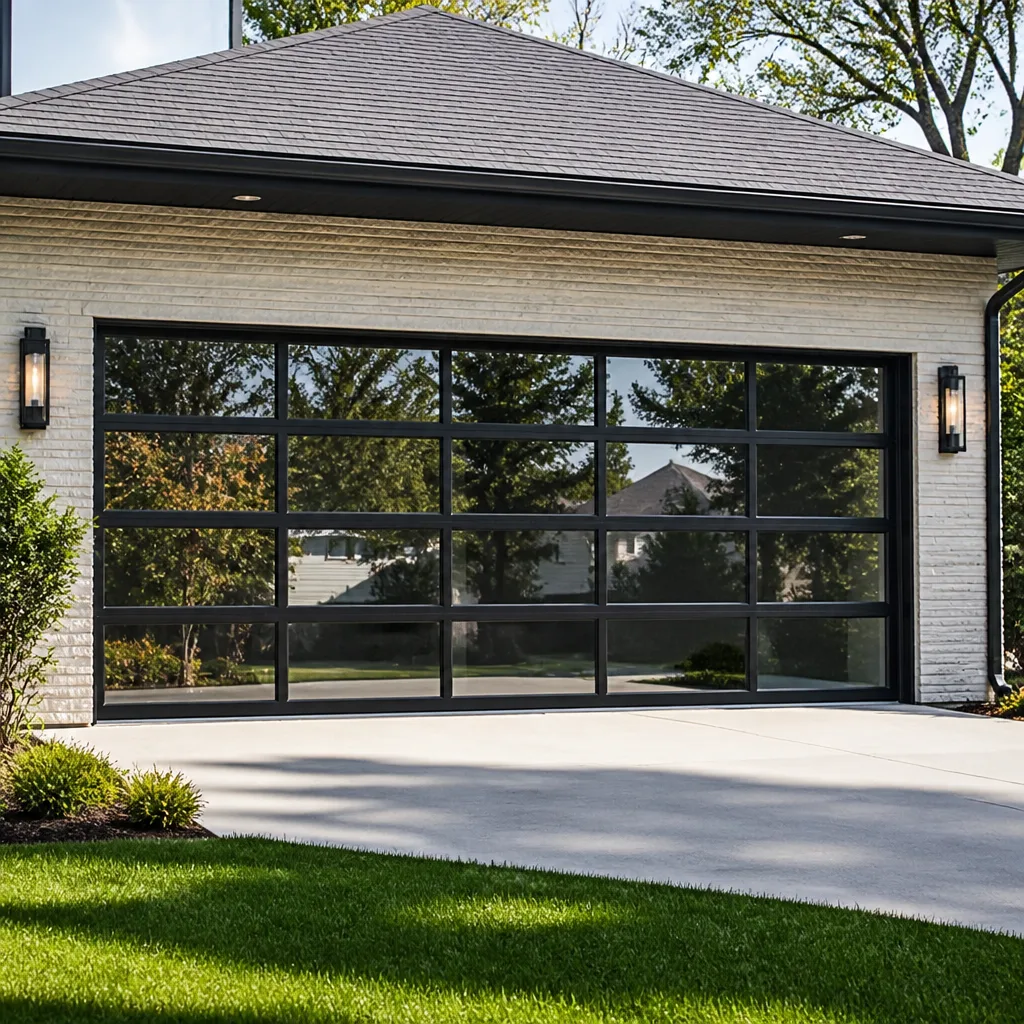 Full-view glass
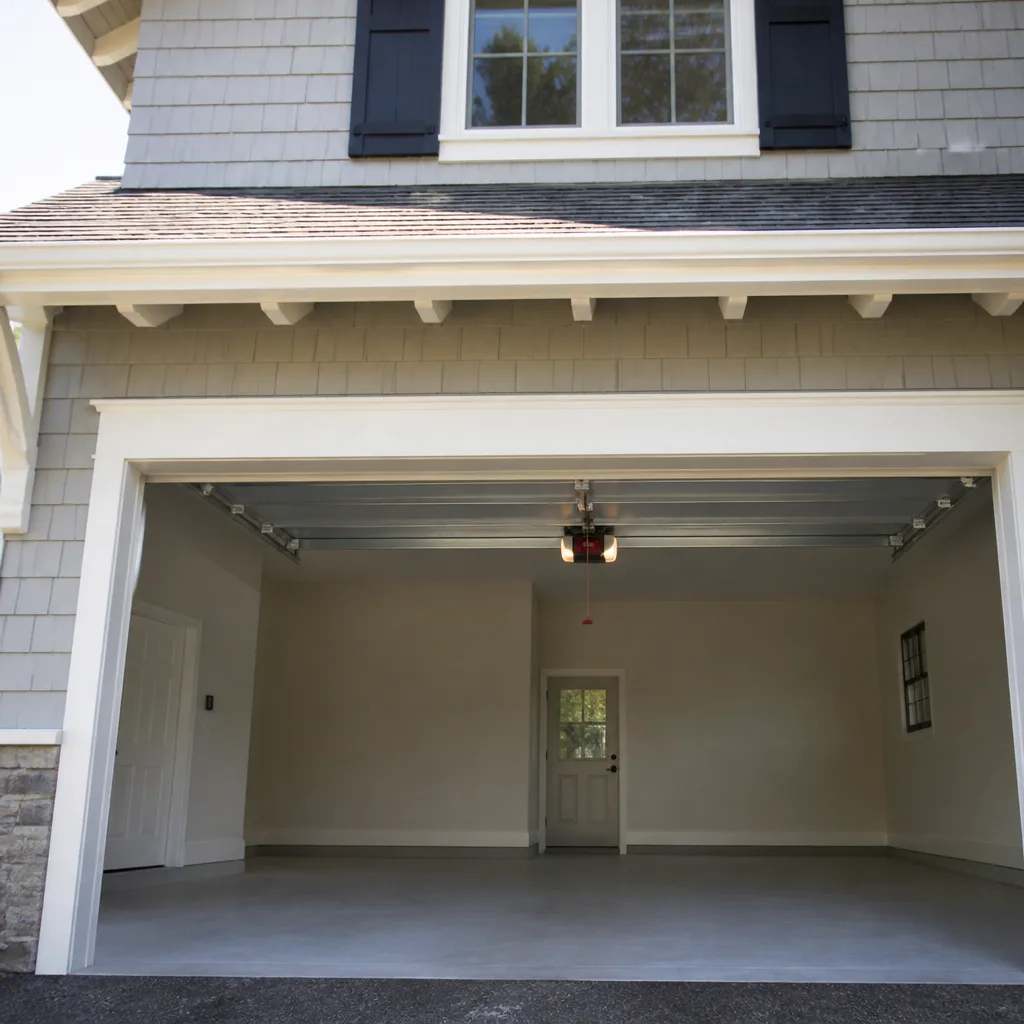 LiftMaster openers
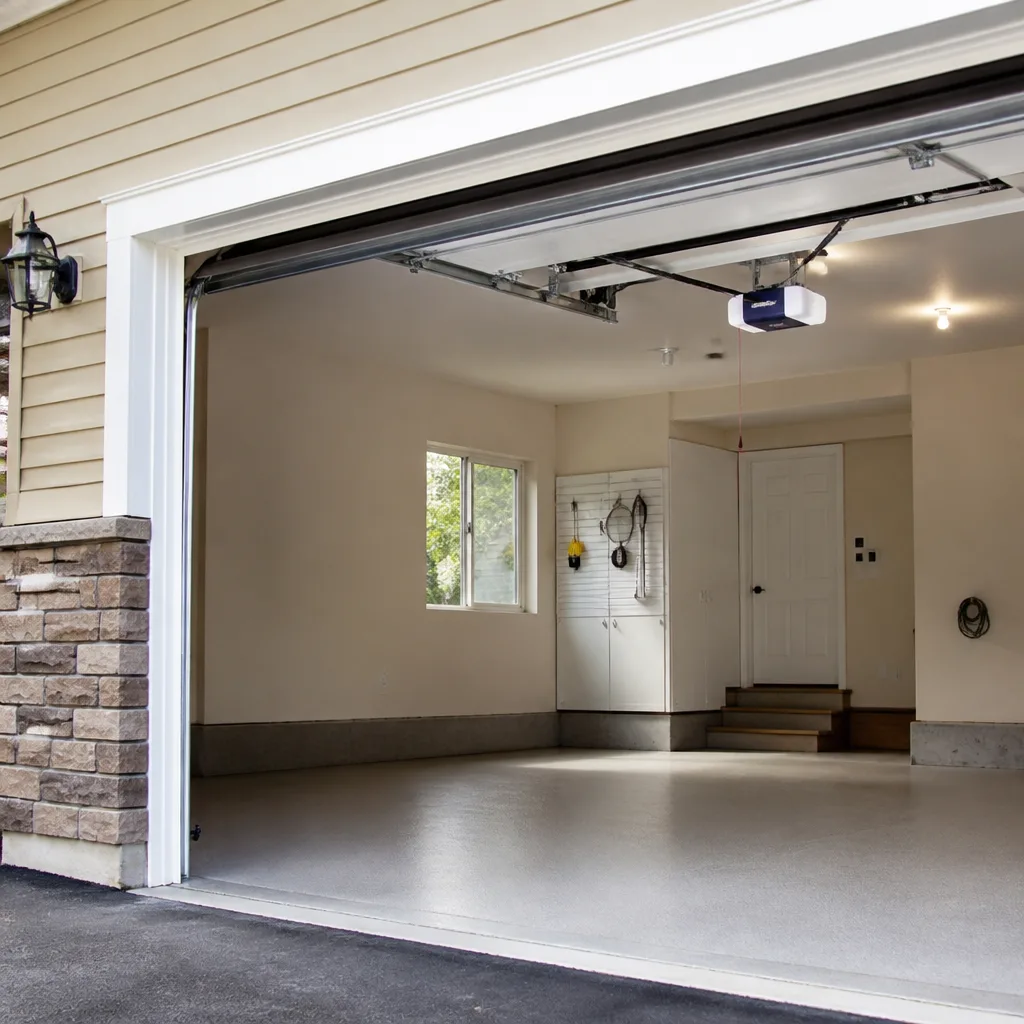 Chamberlain openers
Full 25-point door and opener safety check with every visit - springs, cables, rollers, tracks, and your LiftMaster or Chamberlain opener included
You get a price before we start. It does not change when the pro arrives.
Get your free estimateGarage Door Repair Troubleshooting in Parma: Common Problems and How to Fix Them
A door that reverses before it touches the floor is almost never a spring problem. Yet the spring is the first thing most homeowners replace, and the second thing they replace after that is the opener. The actual fault is usually a limit switch that’s out of calibration or an object in the photo-eye path. This guide teaches a different approach: trace the symptom to the component that’s actually failing before you spend a dime. We’ll walk through springs, cables, rollers, tracks, openers and safety sensors separately, explain why “the door won’t close” has four completely different fixes, and show you the two checks that are genuinely safe for a Parma homeowner to do. Everything else gets a call.
Styles & brands we work with
- Raised-panel steel
- Carriage house
- Modern flush
- Full-view glass
- LiftMaster openers
- Chamberlain openers
Quick Answer
Garage door troubleshooting means matching the symptom to the failing component before replacing anything: a door that reverses on its own is usually a sensor or limit switch issue, a door that won’t lift is usually a spring or cable, and a door that grinds or shakes is usually a roller or track. Only two checks are safe for homeowners – the photo-eye alignment test and the manual release balance test. Torsion spring work and cable replacement carry real injury risk and belong to a trained technician.
Table of Contents
- Start With the Symptom, Not the Part
- Spring Problems: How to Tell a Broken Spring From Everything Else
- Cables: The Problem You Should Never Touch Yourself
- Rollers and Tracks: The Noise and Drag Culprits
- Openers: When the Motor Is Fine and the Door Still Won’t Move
- Safety Sensors and Limit Switches: The Real Cause of a Door That Reverses
- Why “The Door Won’t Close” Has Four Different Fixes
- The Parma Winter Factor: Freeze-Thaw and Your Limit Switches
- The Before You Call Checklist
- Common Mistakes to Avoid
- When to Call a Professional
- Frequently Asked Questions
- The Bottom Line
Start With the Symptom, Not the Part
Most garage door repairs go wrong before anyone touches a tool. The homeowner sees a symptom, picks the component that seems most likely, and replaces it. If the door still misbehaves, the next component gets replaced. By the third attempt, the cost of parts exceeds what a proper diagnosis would have been.
A better method is a decision tree. Every symptom narrows the field of possible causes. The goal is to eliminate causes one at a time, cheapest and safest checks first.
- Write down exactly what the door does. Does it open all the way and stop? Open halfway? Reverse immediately? Not move at all but hum? Grind? Each of these narrows the diagnosis.
- Pull the manual release and lift the door by hand. This is the single most useful test you can do yourself. If the door is heavy or falls, the problem is mechanical: springs, cables or rollers. If it lifts easily but the opener won’t move it, the problem is in the opener or its power delivery.
- Check the photo-eye sensors. Both LEDs should be lit and steady. If one is dark or blinking, the door’s safety circuit is being interrupted and it will not close under any circumstances.
- Look at the spring above the door. A torsion spring that has snapped will show a clean gap in the coil. Extension springs that have let go usually dangle visibly. If either is broken, stop. That’s the diagnosis.
- Inspect rollers, hinges and the track. Worn rollers make noise and drag. Bent track prevents the door from moving on a straight line.
- Check the opener last. The opener is the most expensive part to replace and, in our experience, the least likely to be the actual problem. Once everything upstream is cleared, the opener becomes suspect.
Running this sequence in order in a Parma garage takes about five minutes. It doesn’t tell you the exact fix, but it tells you which system is at fault, which is what a technician needs to hear on the phone.
Spring Problems: How to Tell a Broken Spring From Everything Else
A broken spring is the most common cause of a garage door that won’t open at all. The spring is what holds the door’s weight, and when it fails, the door becomes too heavy for the opener to lift – the opener will run for a second and cut out on overload. The motor isn’t broken. The spring is.
Torsion springs sit horizontally across the top of the door. Extension springs run along the horizontal tracks on either side. Most Parma homes have torsion springs, but older Garages built before the 1990s often use extension springs on both sides.
- Broken torsion spring: a clean gap in the coil, usually a quarter to a half inch wide. The coil no longer holds tension.
- Broken extension spring: the spring hangs loose from one end of the track. Do not try to unhook it.
- Weakening spring (not broken): the door opens slowly, stops partway, or feels progressively heavier through the season. The spring hasn’t failed, but it’s losing tension.
- Cable snapped at the same time: the door hangs crooked, one side higher than the other, and the cable is lying loose. This is a spring-plus-cable job, not a cable-only job.
Springs are priced individually. Replacing a matched pair is standard, because a single new spring next to an old one puts unequal tension on the door and shortens both. Typical spring repair in the Parma area runs roughly $150 to $340 for a single spring, so a matched pair is close to double that. The written estimate you get before the work starts is the price – it doesn’t move after the door comes apart.
This is not a repair to attempt. Torsion springs sit under high tension, and a wound spring released improperly can cause serious injury. The most important safety rule on this list is simple: if the spring is broken, call us and don’t touch the door until we get there.
Cables: The Problem You Should Never Touch Yourself
Garage door cables run from the bottom corners of the door up to the spring drum at the top. Their job is to keep the door balanced side to side as it moves. When a cable frays or snaps, the door drops unevenly, jams on one side, or hangs off the track entirely.
Cables usually fail after a spring fails. The spring lets go, the door drops, and the shock load snaps a cable. Other times the cable fails first, wearing through at the bottom roller bracket where grease, grit and time do the most damage. Loose cables sagging off the drum are the earliest warning sign. If you see a cable hanging slack or resting on the door itself, the door is one cycle away from a much bigger repair.
Why this is a “do not DIY” repair: a steel tension cable under load can whip when it releases, and there is no safe way to detach a stretched cable from a torsion drum without the right winding bars and knowing the door’s balance point. We replace cables as part of a job, not as a standalone tutorial for a homeowner to try at home.
Two additional local conditions matter. Parma’s freeze-thaw winters put stress on both the cables and the bottom brackets as the door seal compresses and expands at the floor line, and the cable system has the same shock load every time the door closes onto a frozen driveway. If your door is 10 years old or older and the cables have never been inspected, they’re worth a look during the next service call. Cables, like springs, are a two-part replacement – matching cables on both sides keep the door level.
Rollers and Tracks: The Noise and Drag Culprits
A garage door that sounds like an airplane taking off is usually not about to fail. Nine times out of ten it’s worn steel rollers that have lost their nylon bearing, or dry hinges. The good news: this is the cheapest category of repair on the list.
Here’s what to check on a Parma door:
- Rollers: 2-inch nylon rollers are standard and should spin freely by hand. Steel rollers with no bearing, or nylon rollers that wobble, are the source of most squealing and grinding.
- Hinges: hinges at the panel joints take the most abuse. Grease them once or twice a year and they’ll quiet down. If a hinge is cracked, it flexes and the door shifts as it travels.
- Tracks: the vertical and horizontal tracks should be straight, parallel and clear of debris. A door that slams shut onto a warped track can knock it out of alignment.
- Panel alignment: if one section of the door sits slightly proud, the door may be out of square. On a Wayne Dalton or Clopay panel door this is a job for a technician, since adjusting one section usually means adjusting the others.
Track that’s been bumped by a car or a bike can often be bent back into a usable shape, but only the vertical section or the horizontal section near the ceiling – never the curved transition between them. If a track section is kinked rather than just nudged, replacing it is faster and safer than straightening it. We see bent bottom tracks most often in Parma homes where the door has been backed into or where a car’s bumper has rested against one side of the frame during close. A quick visual inspection from inside the garage, looking at both tracks from floor to ceiling, catches most of these.
Openers: When the Motor Is Fine and the Door Still Won’t Move
An opener that hums but doesn’t lift the door is not necessarily broken. It’s often protecting itself: openers have a force limit, and a door that’s suddenly heavier than normal (spring issue, cable issue, a squashed seal at the floor) trips the limit and shuts the motor off. Replace the opener and the door still won’t lift, because the real problem is still there.
When the opener genuinely is at fault, it usually falls into one of these buckets:
- LiftMaster and Chamberlain logic boards – the most common residential setup in Parma. When a board fails, the wall button will operate the door but the remotes stop working, or vice versa.
- Craftsman wall-consoles – the older wall stations get sticky over time. Before calling, press the wall button and watch the safety sensor LED. If the LED responds, the console is fine.
- Genie screw-drive and belt-drive units – the carriage and the belt wear over years of cycles. A belt slipping produces a distinctive clicking before it stops lifting the door.
- Raynor openers – usually built with accessories, belts and rails that interchange with LiftMaster-style hardware. A competent technician should know the difference.
We’re certified to work on 8 of the most widely installed brands, including LiftMaster, Chamberlain, Genie, Craftsman, Clopay, Amarr, Wayne Dalton and Raynor. That matters on a call like this: a technician should already know the wiring, the force settings and the failure patterns of your opener before they arrive, rather than looking it up on the tailgate. For opener-specific work, see our garage door opener repair page.
If your door’s opener is more than 15 years old and the repair exceeds a certain portion of a new unit’s cost, replacement is the more realistic answer. We’ll give you the honest number, not the most expensive one.
Safety Sensors and Limit Switches: The Real Cause of a Door That Reverses
If the door reverses before it hits the floor, the springs are almost never the problem. Springs control upward motion and pressure. A reversal is a safety circuit firing – something is telling the opener “stop, close is unsafe.”
There are two separate mechanisms:
- Photo-eye sensors – the two small units at the bottom corners of the door frame. They shoot an invisible beam across the opening. If the beam breaks (or the sensors lose their alignment or their power), the opener refuses to close. Check that both LEDs are lit solid: one usually green, one usually amber, and they should not flicker. A dead LED or a blinking LED is the giveaway.
- Limit switches – inside the opener head, these set the fully-open and fully-closed travel points. When they drift, the door goes down and stops short, or goes down and presses hard enough that the force sensor reverses it. The door isn’t detecting an obstacle – the opener thinks it has hit one.
Sensor alignment is the safe check. Wipe the small lenses with a dry cloth, look for a spider web or a leaf between the two sensors, and confirm nothing is hanging into the beam. If one sensor LED is off after you’ve cleaned both lenses and checked that the wire is connected, the sensor is bad. That’s a call.
Limit switch adjustment is a DIY-adjacent task on some openers and a technician task on others. We’d rather you call than guess – the danger is in the openers where the adjustment dial takes the door past the fully-closed position onto a floor obstruction. The fix is 10 minutes on a LiftMaster or Chamberlain unit with a technician who knows the trim dials.
If the door reverses in Parma’s cold months but works fine the rest of the year, the sensor mounting hardware has likely shifted with the temperature. We see this once or twice a season – the brackets loosening as the wood frame expands and contracts. Sensor brackets get re-secured, and the door closes. It’s a $100-ish call in the Parma area, and it beats replacing a spring that was never the problem.
Why “The Door Won’t Close” Has Four Different Fixes
This is the exact scenario that trips up most homeowners. The door opens fine, then goes halfway down and reverses. Four distinct causes produce that identical symptom, and each has a different fix.
| Symptom | Most Likely Cause | Safe to Check Yourself? | Typical Fix |
|---|---|---|---|
| Reverses immediately after starting down | Photo-eye sensor blocked or misaligned | Yes | Align or replace sensor |
| Reverses near the floor, at the bottom of travel | Limit switch out of calibration, or an obstruction the door is pressing against | Partially | Adjust limit switch; clear track |
| Reverses only in cold weather | Frozen bottom seal, or sensor bracket knocked out of alignment by thermal movement | Partially | Reseat sensor or seal |
| Reverses, then the opener shuts off entirely | Force limit trip from a mechanical bind (rolled track, worn roller, heavy door) | No | Roller or track service, opener force check |
None of these four is a spring or a cable. They’re all safety-circuit and mechanical-binding issues. The point isn’t that springs don’t break – it’s that spring replacement is the fix for the opposite symptom (door won’t open), not this one.
The Parma Winter Factor: Freeze-Thaw and Your Limit Switches
Parma sits in a climate that cycles between freeze and thaw all winter. The daily temperature swing is what throws off limit switch calibration, not the cold itself. Here’s the mechanism:
- Your bottom rubber seal compresses in the cold and doesn’t spring back the way it does in summer.
- That tiny reduction in the seal’s height changes where the door wants to stop at the floor.
- The opener’s force sensor detects more resistance at the bottom and interprets it as an obstruction.
- The door reverses, and the homeowner concludes the opener is broken. It isn’t.
The other winter problem is the driveway. When a thin sheet of ice forms at the garage threshold, the door’s bottom seal presses against it and the door closes unevenly – sometimes stopping 2 inches above the floor, sometimes reversing. The door hasn’t failed. The floor has. Clearing the ice and adjusting the opener’s down limit is usually enough.
What we recommend to Parma homeowners during cold months:
- Keep the bottom seal clear of packed snow and ice at the threshold. A stiff brush or a light salt application to the concrete works.
- If your door reverses on cold mornings but closes on warm afternoons, it’s the seal or the limit, not the spring.
- Don’t over-grease the springs in winter – cold grease congeals and can slow the door’s travel, which trips force limits.
- If your opener trips its force limit more than once a season, get the door weight-checked. A door that’s changing weight is telling you something.
For the broader service picture, our garage door repair page covers how these repairs are scoped, priced and scheduled in Parma. And if you’re considering replacing a system that’s failing every cold snap, garage door installation walks through the honest decision point between repair and replacement.
The Before You Call Checklist
What you tell us on the phone determines what we bring and how quickly the job goes. These five pieces of information turn a vague “it’s broken” into a specific repair:
- What the door does, in one sentence. “Opens but reverses at 6 inches” or “hums and won’t lift” or “opens crooked on the left side.” That one sentence eliminates most possibilities immediately.
- Whether the manual release has been pulled. If you’ve released the door and it feels light, the spring is fine. If it’s a dead weight, the spring is not.
- Brand, if you know it. LiftMaster, Chamberlain, Craftsman and Genie all have slightly different diagnostic routines. So do Clopay, Amarr, Wayne Dalton and Raynor door systems.
- Age of the door and opener, if you know it. A 10-year-old opener is often a different conversation than a 3-year-old one.
- Whether the safety sensor LEDs are lit. Both should be solid. “One is dark” tells us to bring sensor parts.
The reason this checklist prevents upsells is simple. Any reputable repair should match the specific symptom you describe. If a technician recommends a spring replacement for a door that closes and reverses, or a cable replacement for a door that just hums, the recommendation doesn’t fit the diagnosis. The written estimate should match the work order, and the work order should match what you described. Ask for the parts and labor to be itemized before you agree.
You can call our service line directly for a free estimate; the number is (844) 900-3998. If the door won’t close and the house isn’t secure, say so on the call – that’s what our emergency service is for.
Common Mistakes to Avoid
- Replacing the opener when the spring is broken. A door that’s too heavy for the opener protects the motor by cutting out. The opener is fine. The spring isn’t. Replacing the opener first is the most expensive version of this same mistake.
- Bumping the track back into shape with your car or a hammer. Track sections have to stay parallel for the rollers to travel straight. Bending one to clear the door usually produces a faster, louder problem two weeks later.
- Ignoring a frayed cable. A cable is not a consumable the way grease is. If you can see strands of wire poking out or a slack loop of cable resting on the door, stop operating the door until a technician has looked at it.
- Oiling the rollers. Nylon rollers don’t need oil. Steel rollers with a bearing don’t either. Grease on rollers actually attracts grit, which wears them faster. Grease the hinges and springs, not the rollers.
- Adjusting the force setting to keep the door working. Crank the force high and you’re asking the opener to push through a mechanical fault. It masks the problem and abuses the motor. Fix the underlying bind instead.
- Patching the bottom seal forever. In Parma’s freeze-thaw winters, a bottom seal that’s cracked and torn holds water and then ice at the threshold. It’s an inexpensive part and it’s the first thing to check if your door reverses only in cold weather.
- Calling for a spring repair before the door’s weight has been checked. A door that’s heavier than normal might have a spring that’s partially de-tensioned, not broken. Two springs replaced for the cost of a tension reset is a bad trade – ask the technician to confirm before the springs come off.
When to Call a Professional
Call for help on any of these: a broken spring of either type; a snapped, slack or frayed cable; a door hanging crooked; an opener that hums but won’t lift after the manual release test; a door that trips its force limit repeatedly; a track that’s kinked rather than nudged; a door that’s off its rollers; a sensor whose LED stays dark after cleaning; and any door that’s been operated while damaged. Do not operate a door with a broken spring, and don’t keep resetting the manual release to get it working “just for now” – that’s how cables break too.
We work on all of these and on any of the major brands. As a multi-brand specialist we’re the same call whether your opener is a LiftMaster, a Chamberlain, a Genie, a Craftsman or a Raynor, and whether the door itself is a Clopay, Amarr or Wayne Dalton. Our technicians have up to 8 years of experience, and we’ll tell you what’s actually wrong. If the honest answer is “your opener isn’t broken, your sensor is,” that’s what we’ll tell you.
Parma Garage Door Repair Co offers free estimates in Parma – call (844) 900-3998. If the door won’t close and you need emergency service, say so on the call and we’ll prioritize it. Prices are always quoted and agreed before any work starts, so there’s no surprise invoice at the end.
Frequently Asked Questions
Typical garage door repairs in the Parma area run roughly $100 to $340 depending on the component: sensor realignment and limit-switch work is at the low end, roller and hinge replacement is in the middle, and single spring replacement is at the top. A matched pair of springs is close to double the single-spring range. The written estimate you receive before work starts sets the final price. Call (844) 900-3998 for an exact quote – estimates are free.
Because a safety circuit is firing, not because the spring failed. The most common cause is a blocked or misaligned photo-eye sensor at the bottom corners of the door; the second most common is a limit switch that’s drifted out of calibration. A third cause, specific to Parma winters, is a bottom seal that compresses in cold weather and changes where the door wants to stop. Only if the door reverses alongside a visible spring break is the spring involved. Call (844) 900-3998 if the sensor LEDs don’t clear up after a quick clean and re-check.
Yes, for repairs. Sensor alignment, opener troubleshooting, roller replacement, spring repair and cable work can usually be handled on the same day you call, including emergency calls when a broken door is trapping a car or leaving the house unsecured. Installation and full-door replacements aren’t same-day – those need a measure and a written price first. Call (844) 900-3998 and tell us what the door is doing; we’ll tell you what’s possible today.
No, if the diagnosis matches what we quoted. The estimate is agreed before any work starts, and the price you agreed to is the price you pay. If the technician finds something new after removing a panel – a hidden broken cable, for instance – they’ll stop and re-quote before proceeding. You won’t get an invoice bigger than the number you said yes to. Call (844) 900-3998 for a free estimate.
The local professionals we connect you with are licensed and insured as Ohio requires for their trade, and they’re vetted before we send them out. That covers the work they perform in your Parma garage, including high-tension spring and cable repairs. If a crew shows up claiming to be from us and you’re not sure, call (844) 900-3998 before they touch the door.
We work on 8 of the most widely installed garage door and opener brands, which covers the vast majority of residential setups in Parma homes. That includes LiftMaster, Chamberlain, Genie and Craftsman openers, and Clopay, Amarr, Wayne Dalton and Raynor door systems. A technician certified on your brand knows the wiring and failure patterns before they arrive. Call (844) 900-3998 and tell us the brand on your door or opener.
The Bottom Line
The reason door troubleshooting goes wrong is that homeowners fix the symptom, not the cause. A garage door that reverses is almost never a spring problem, a door that hums is almost never an opener problem, and a door that squeals is almost never about to break. Trace the symptom to the component first. Run the manual release test, check the sensor LEDs, look at the spring and check the track – that’s five minutes of safe diagnosis that saves the rest of the repair. Anything involving a torsion spring, a cable, a force setting or a kinked track belongs to a trained technician who can see the tension before you can feel it. If you’re not sure which bucket your door falls into, that’s what we’re here for.
If your door needs a look, call Parma Garage Door Repair Co at (844) 900-3998 for a free estimate. We’ll tell you what’s actually wrong, quote the price before we start, and get your door back up and running. You can also read our main service page at Parma Garage Door Repair Co for the full scope of what we handle in Parma.
Written by the team at Parma Garage Door Repair Co.
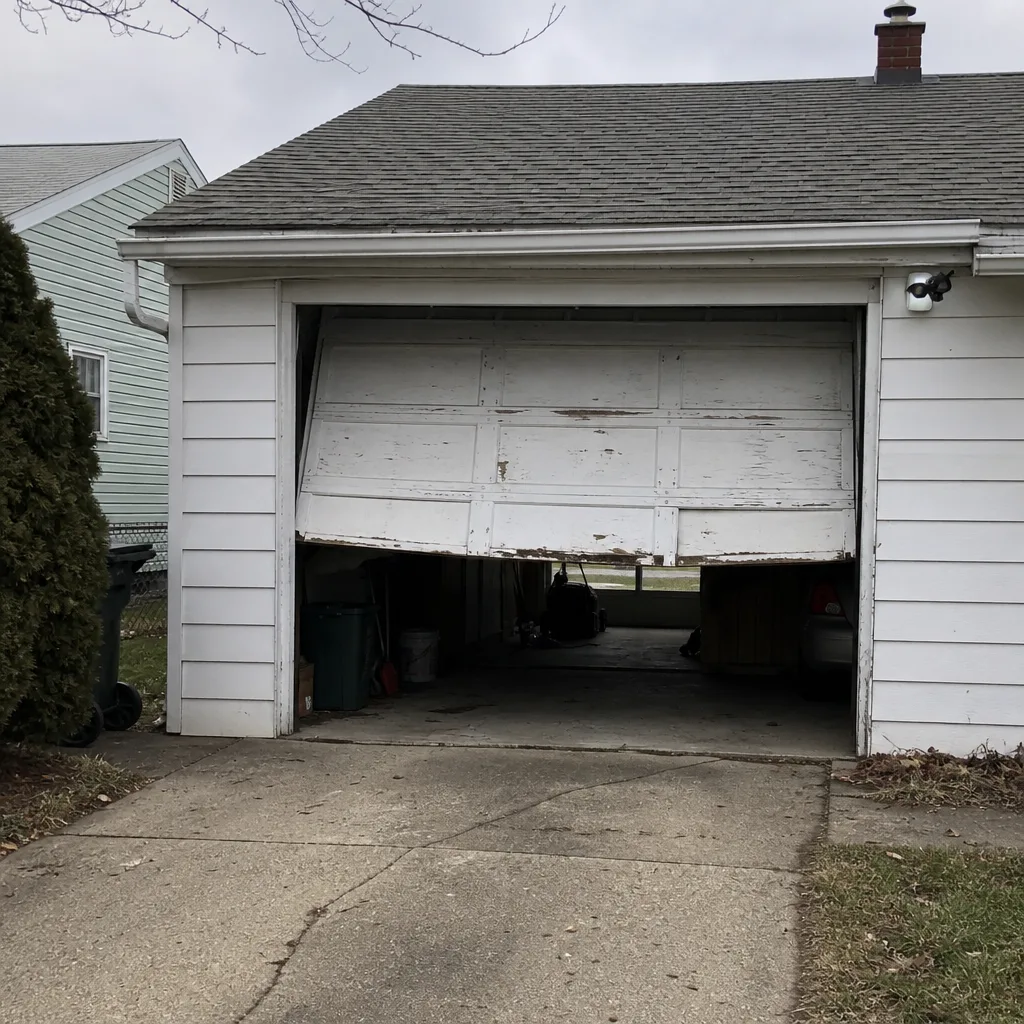
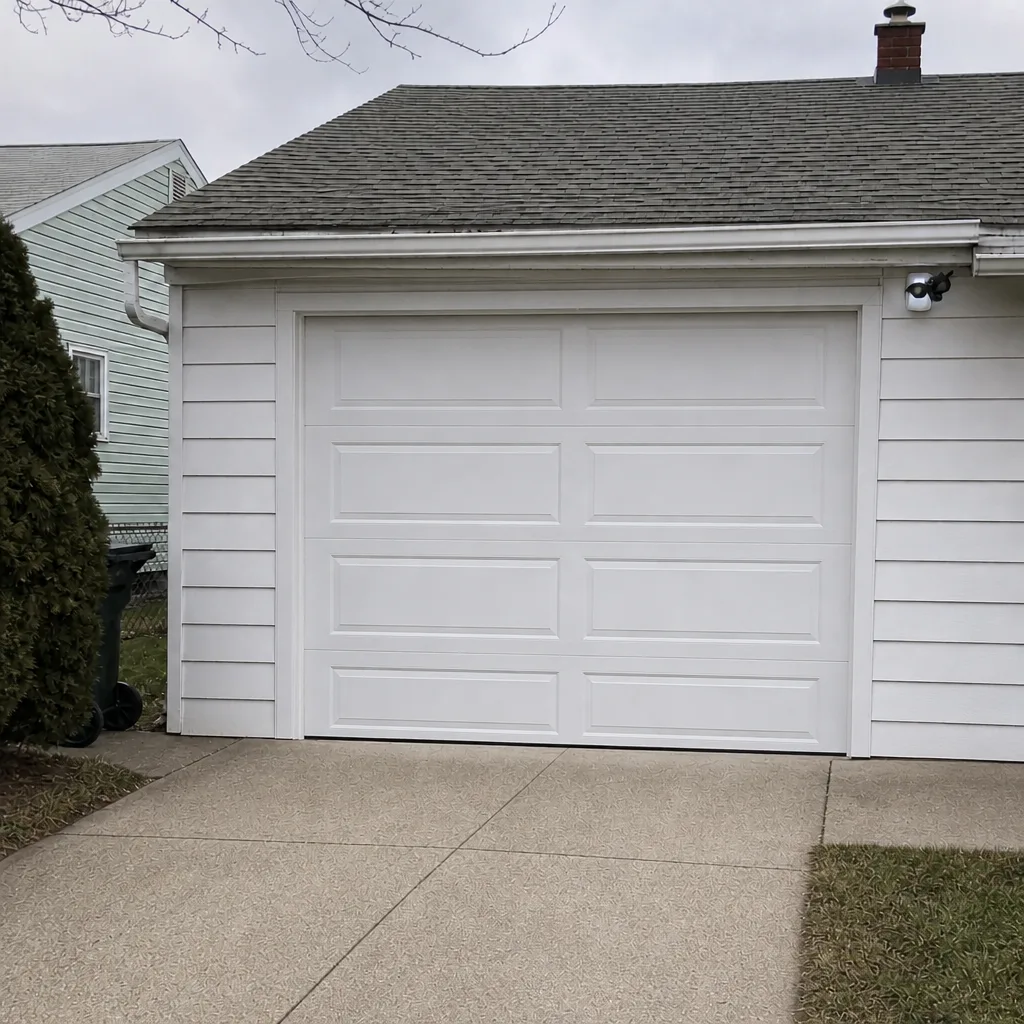
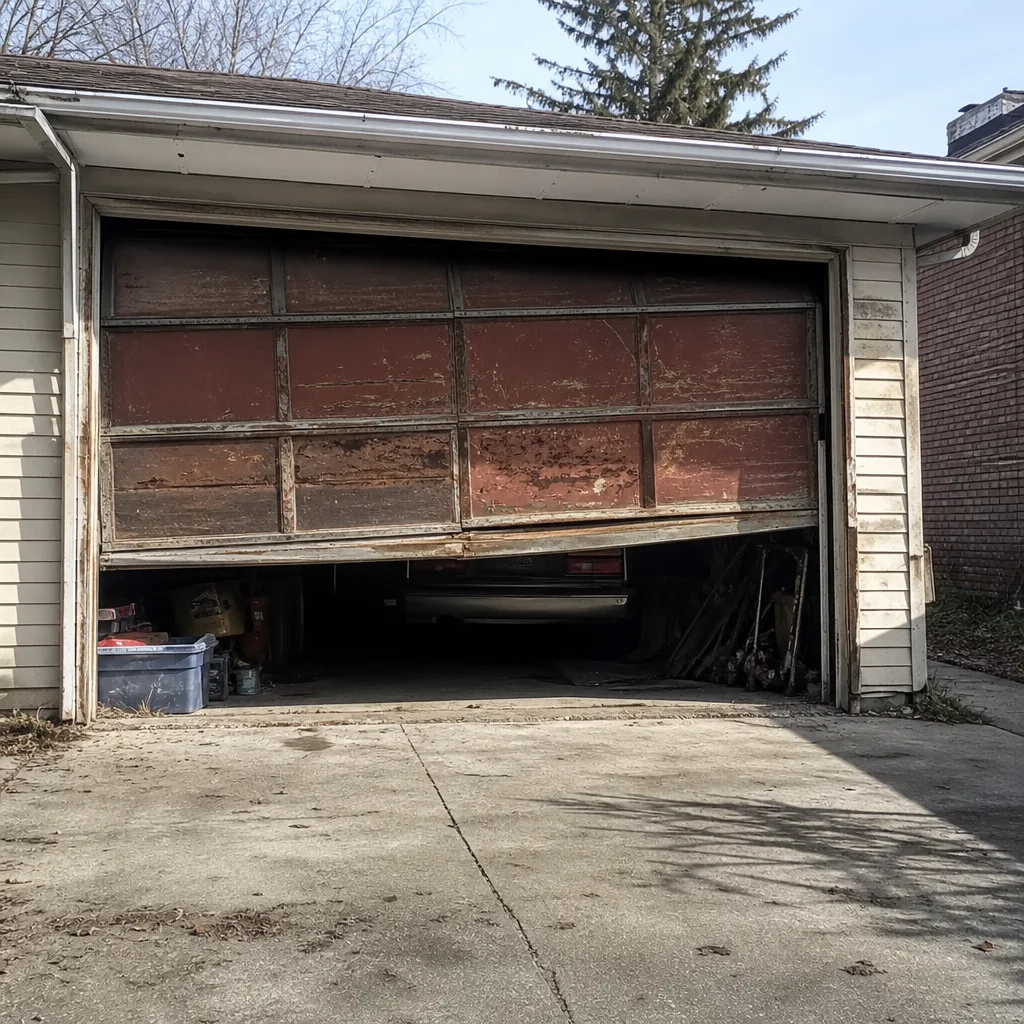
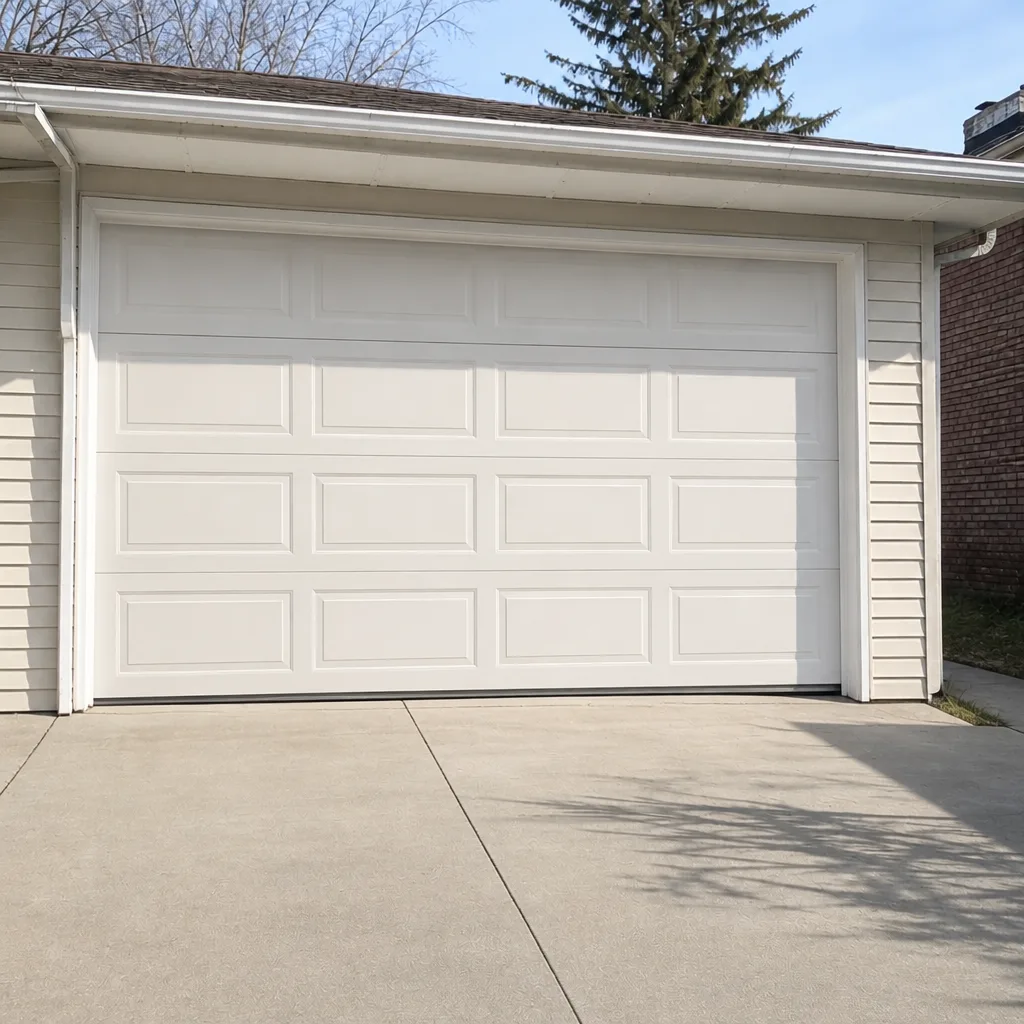
See the difference
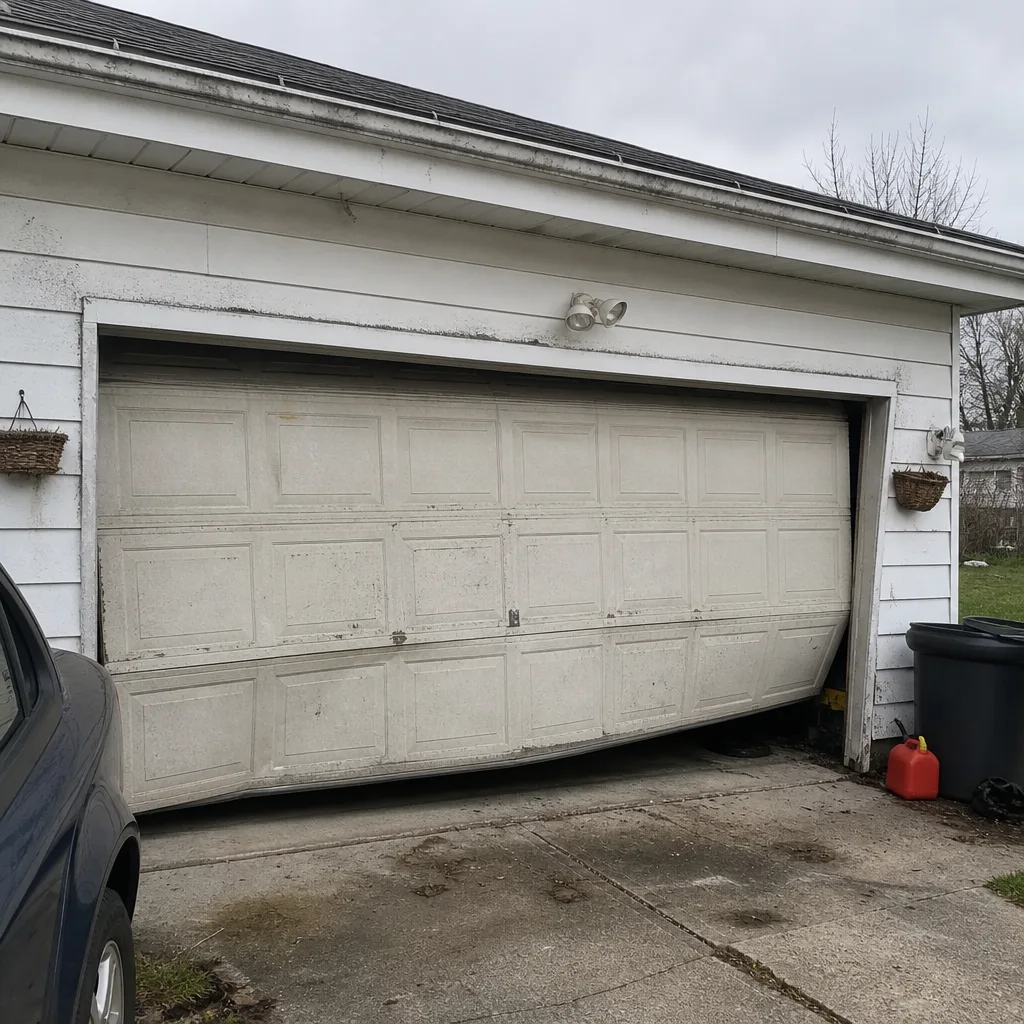 Before
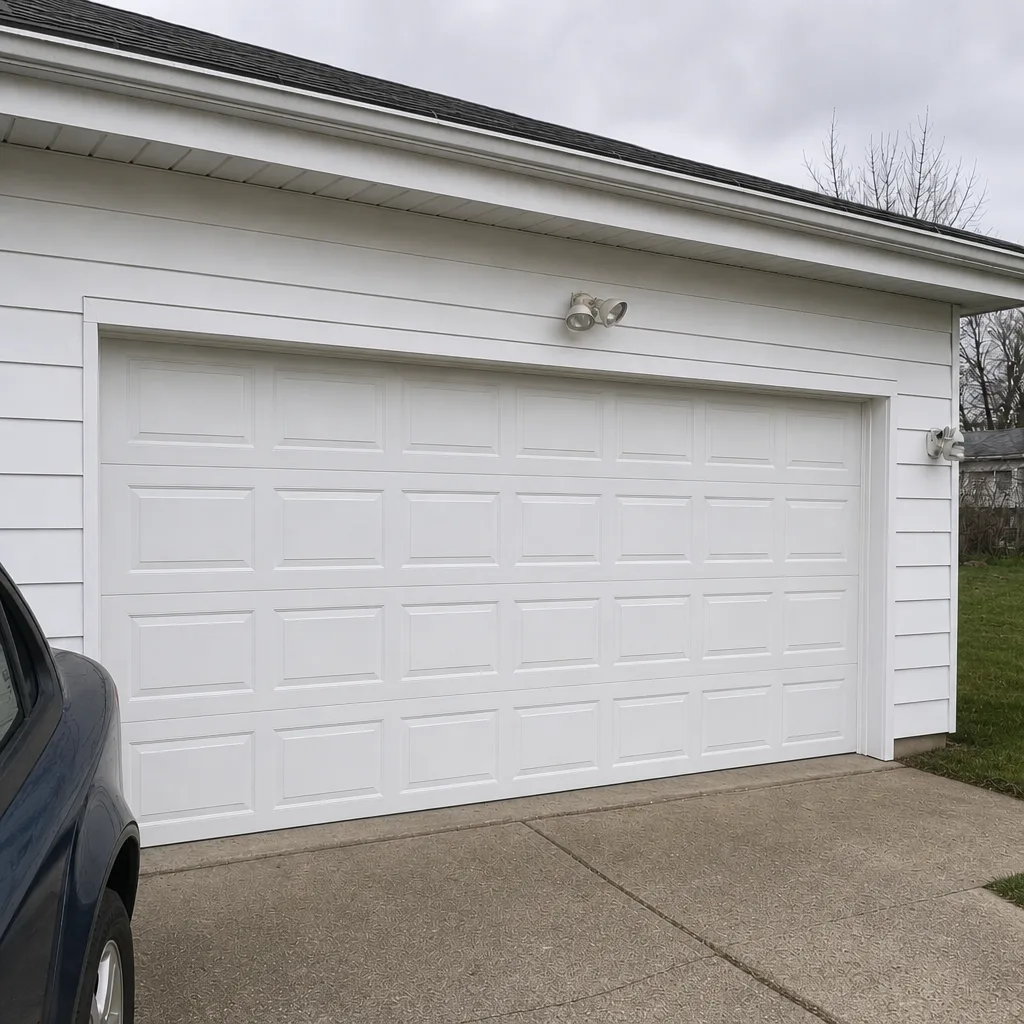 After
 Before
 After
 Before
 After