Last updated November 21, 2026
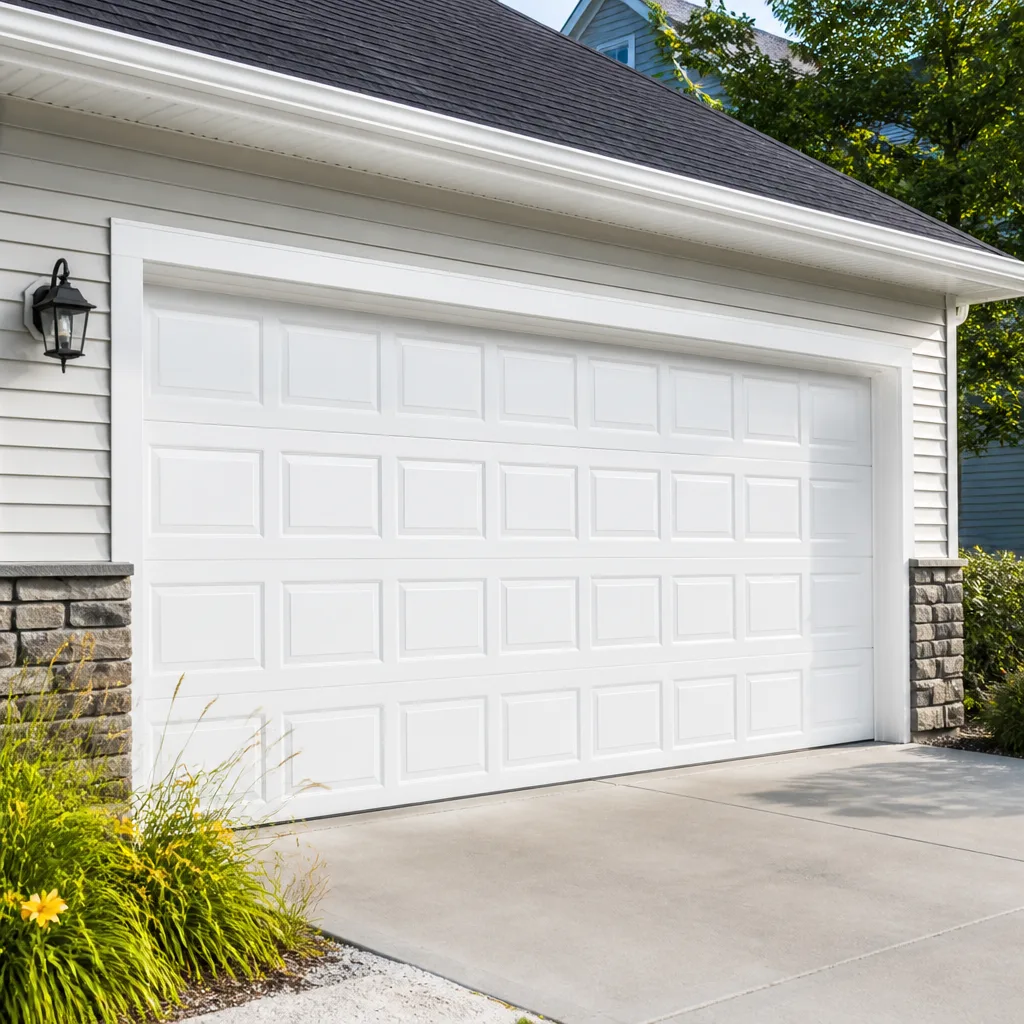 Raised-panel steel
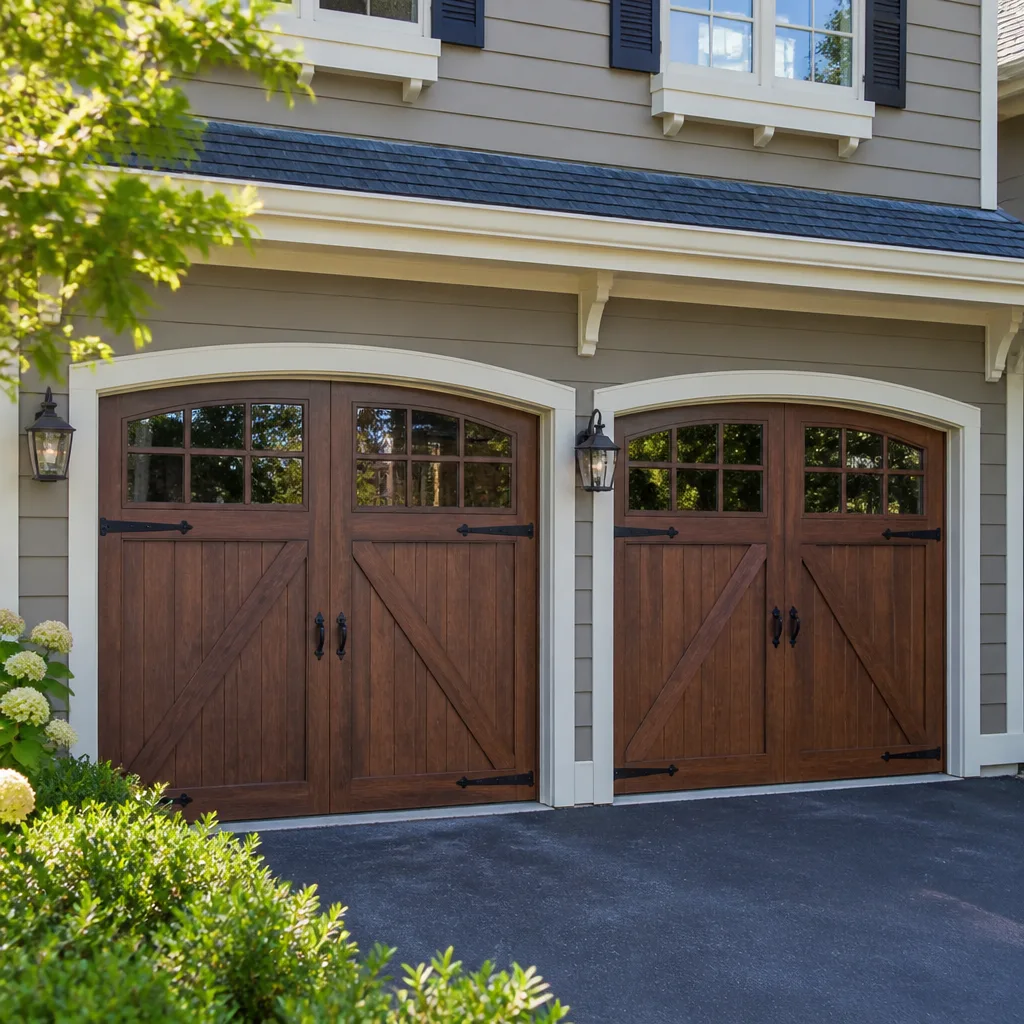 Carriage house
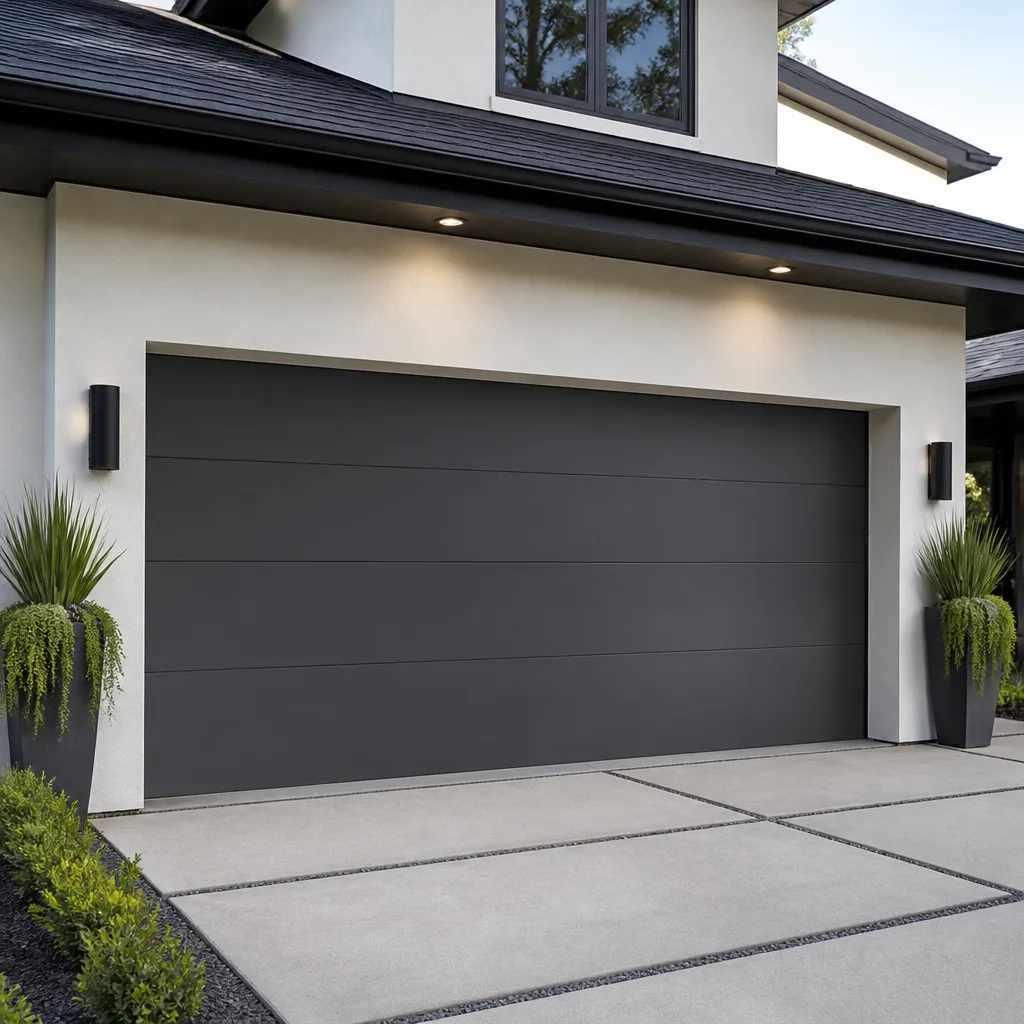 Modern flush
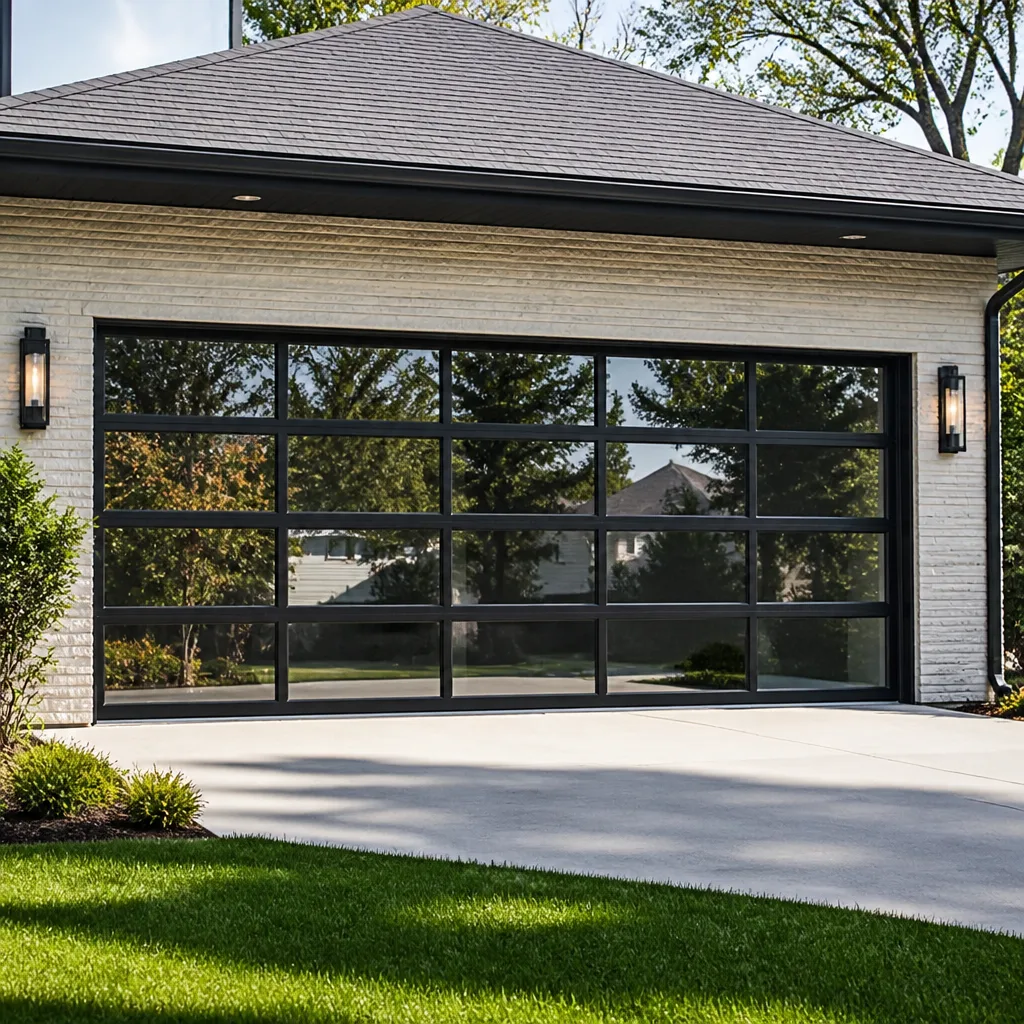 Full-view glass
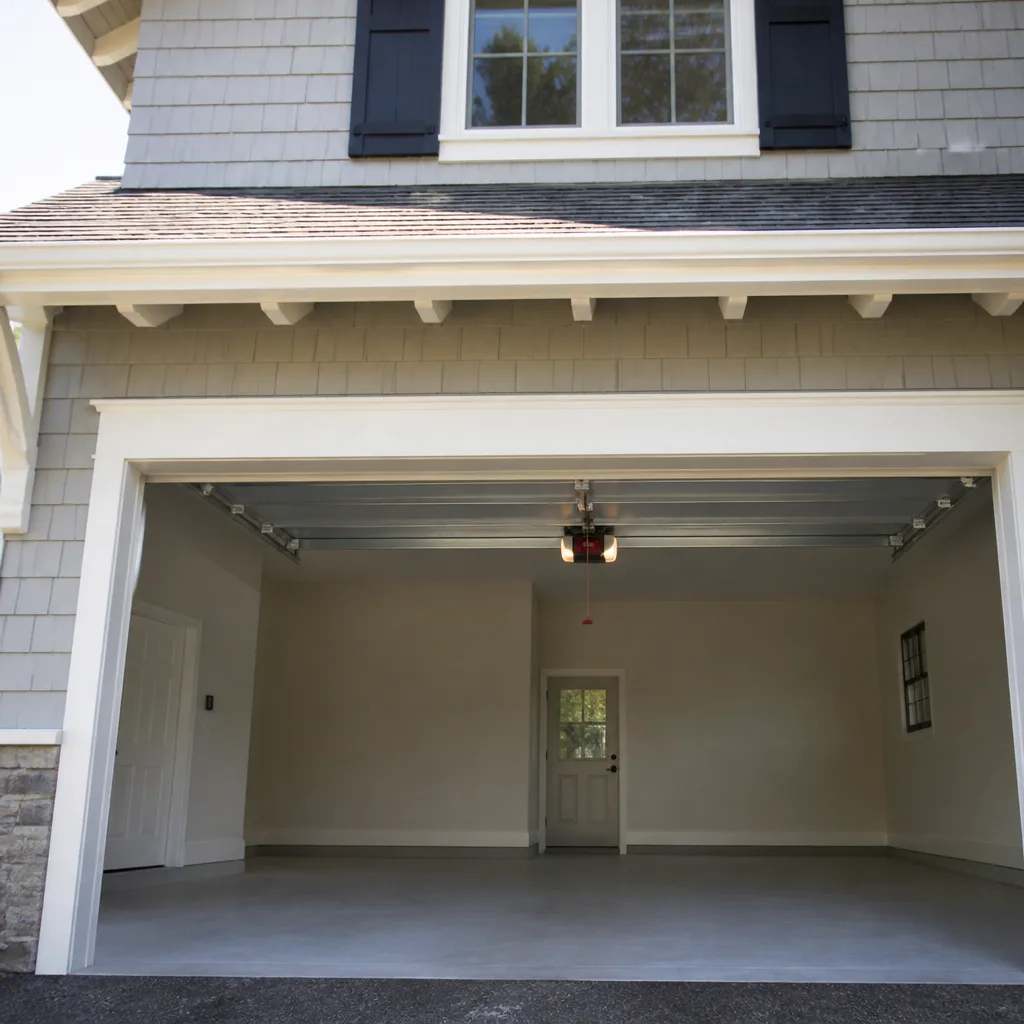 LiftMaster openers
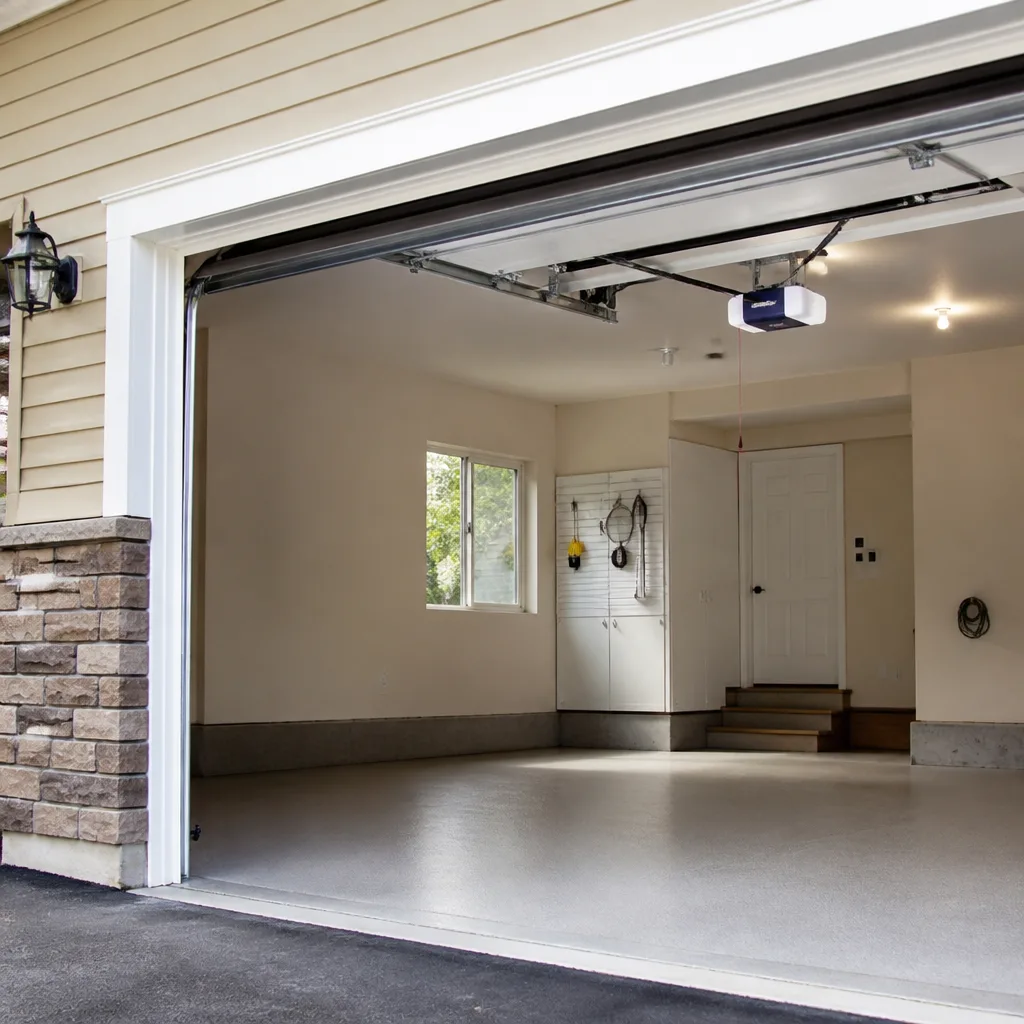 Chamberlain openers
Full 25-point door and opener safety check with every visit - springs, cables, rollers, tracks, and your LiftMaster or Chamberlain opener included
You get a price before we start. It does not change when the pro arrives.
Get your free estimateGarage Door Repair Maintenance Schedule: What to Do and When
Springs don’t care how old your door looks. They’re rated for a fixed number of open-and-close cycles, not years, and a household that runs the door four times a day will reach a typical spring’s limit in under seven years even if the panels still shine. That’s the part most homeowners miss: a garage door fails on a wear timeline, not a calendar timeline, so the door that “still works fine” is usually the one already past due. This guide lays out a real schedule built around cycle counts and seasonal triggers, tells you which lubricant belongs on which part, and shows how a small routine in Parma heads off the expensive emergency call.
Quick Answer
Check your garage door visually once a month, lubricate the moving metal parts every three months, and book a mechanical inspection twice a year. Replace springs by cycle count (roughly every 10,000 cycles for standard springs, which is often six to seven years of average use), and swap opener batteries and test the safety reverse twice a year. In Parma, add a rinse of the bottom brackets and spring hardware after winter, since road salt speeds corrosion here more than it does in milder climates.
Styles & brands we work with
- Raised-panel steel
- Carriage house
- Modern flush
- Full-view glass
- LiftMaster openers
- Chamberlain openers
Table of Contents
- Why cycles matter more than the calendar
- Monthly checks: the ten-minute visual pass
- Quarterly lubrication: what goes where
- Biannual mechanical inspection
- How Parma’s climate changes the schedule
- Building a component log
- The cost math of prevention
- Common mistakes to avoid
Why cycles matter more than the calendar
Every time your door opens and closes, the springs take the full weight of the door and release it again. That’s one cycle. Manufacturers rate torsion and extension springs in cycles, not years, because two homes with identical doors can wear those springs at wildly different rates. A retired couple who opens the door twice a day will get far more years from a spring than a household with two working cars, kids coming and going, and a door that runs six or seven times daily.
Run the numbers on your own house. Count how many times the door opens on a normal weekday, then double it for the close, and multiply by 365. Four open-and-close cycles a day is about 1,460 a year. A spring rated for 10,000 cycles reaches that limit in just under seven years. At eight cycles a day, you’re looking at half that time. The door still looks new, the opener still hums, and nothing warns you it’s close to the end.
This is why a calendar-only maintenance habit lets people down. Marking “inspect door every spring” tells you nothing about whether your springs have 2,000 cycles left or 200. In our experience across Parma homes, the most common surprise spring failure happens on a door that was never tracked by use, just by the fact that it kept opening.
- Low-use home (2 cycles/day): roughly 730 cycles a year, springs last a long time on paper
- Average home (4 cycles/day): roughly 1,460 cycles a year, standard springs approach their limit in under seven years
- Busy home (8+ cycles/day): roughly 2,900+ cycles a year, spring life shortens sharply
Get in the habit of estimating cycle age instead of door age, and you’ll replace a worn spring on a scheduled appointment rather than on a Sunday morning when the car is trapped inside.
Monthly checks: the ten-minute visual pass
A monthly walk-around catches the small stuff before it becomes a repair. You don’t need tools for most of it, and you’re not fixing anything yet, just looking. Do it with the door closed, then repeat with it open, and pay attention to anything that changed since last month.
- Look at the springs. A torsion spring sits on the shaft above the door; extension springs run along the sides. Check for visible gaps, rust streaks, or a stretched, uneven look. Rust is the early warning that matters most here.
- Inspect cables and drums. Cables should sit neatly in their drums with no fraying, kinks, or loose strands. A frayed cable is a stop-and-call situation, not a “watch it” situation.
- Check the rollers. Steel rollers wear flat spots; nylon rollers crack. Roll a couple by hand with the door up and feel for grinding or wobble.
- Run the safety reverse test. Put a scrap of wood or a roll of paper towels under the door and close it. It should reverse on contact. Do the same with the photo-eye beam by passing your leg through it while the door closes.
- Wipe the tracks with a dry cloth. Look for grit, leaves, and anything that’s drifted in. Clean tracks, but don’t lubricate them yet (more on that below).
- Listen. A door that’s gotten louder, squeakier, or starts with a lurch is telling you something. Note where the noise comes from.
Write down what you see, even if it’s “all clear.” A one-line note each month gives you a history, and a history is what turns guesswork into a real maintenance decision.
Quarterly lubrication: what goes where
Lubrication is where most homeowners either skip it or use the wrong product. The rule is simple: metal moving parts get a proper garage door lubricant, and the tracks stay dry. Here’s the component-by-component breakdown.
- Hinges: a small drop of white lithium grease or a silicone-based garage door lubricant at each hinge pivot. Wipe off excess.
- Rollers: a light spray where the roller meets the hinge, not drenching the wheel itself. Nylon rollers need very little.
- Springs: a light coat of garage door lubricant on torsion and extension springs helps slow rust. This is a surface treatment, not a repair; never try to unwind or adjust a spring.
- Opener rail and chain: a low-viscosity lubricant on the rail and a dedicated chain lubricant on the chain. Belt-drive openers generally need none on the belt itself.
- Bottom brackets and bearing plates: a small amount of grease on the pivot points, kept away from the cables.
What never goes on the tracks: oil, grease, or silicone spray. The tracks are meant to stay clean and dry. Lubricant on the track attracts grit, and grit grinds the rollers. Wipe tracks with a dry cloth only.
One safety note before you start: springs and cables are under extreme tension, and a torsion spring can cause serious injury if it releases unexpectedly. Don’t put your hands near the springs, drums, or cables to lubricate or adjust them beyond a light surface spray on the spring coil itself. If a spring looks damaged, stop and call a trained technician.
Biannual mechanical inspection
Twice a year, ideally in spring and fall, go a level deeper than the monthly pass. This is the point where a professional inspection pays for itself, but there’s plenty you can check yourself first.
- Balance test. Disconnect the opener (pull the release cord), lift the door halfway, and let go. A balanced door holds its position. A door that drifts down or slams up is out of balance, which strains the opener and springs.
- Check the opener’s force and travel limits. If they’ve drifted, the door may not fully close or may press too hard. Adjust per your manual, or have it set during a service call.
- Inspect the bottom seal and weatherstrip. A cracked seal lets water and cold air in, and in Parma’s winters that means ice at the threshold.
- Look at the panel hinges and tracks for looseness. Tighten bolts by hand; don’t overtighten.
- Test both safety features again (contact reverse and photo-eye), since these matter most during busy months.
- Check the opener’s battery backup if it has one, and replace remote and keypad batteries on a fixed schedule rather than waiting for a dead fob.
If the balance test shows drift, or if you find a frayed cable or a spring with visible gaps, that’s a job for a trained technician. The springs and cables on a garage door hold the entire weight of the door, and the risks of working on them aren’t worth the savings.
How Parma’s climate changes the schedule
Parma sits in a part of Ohio where winters are hard on garage door hardware. Road salt spread on streets and driveways finds its way onto the floor of the garage and onto the bottom brackets, cables, and spring hardware. Salt accelerates corrosion, so the springs and brackets here tend to rust faster than they would in a drier, milder region. Freeze-thaw cycles add another layer: moisture works into small cracks, freezes, expands, and widens them. Springs, hinges, and the bottom seal all take hits from that pattern.
Summers bring their own stress. Humidity in a Parma summer keeps metal damp longer, and wooden or composite door panels can swell and stick at the edges. A door that binds in July puts extra load on the opener and springs.
Here’s how to adjust your schedule for this climate:
- After winter: rinse the bottom brackets, cables, and spring hardware with plain water to wash off salt residue, then dry and apply a light coat of garage door lubricant. Do this in early spring, before the humid months.
- Before winter: check the bottom seal and weatherstrip for cracks and replace if needed, so meltwater doesn’t freeze at the threshold. Lubricate hinges, rollers, and springs once more before the cold sets in.
- During humid stretches: re-check the tracks and rollers for swelling or sticking, and keep the tracks clean and dry.
This is the seasonal rhythm we see work best in Parma: the routine stays the same, but the twice-yearly deep pass is timed to the seasons that do the most damage here.
Building a component log
A component log turns a vague “it’s been a while” into a real maintenance plan. You don’t need fancy software. A piece of paper taped inside the garage, or a note on your phone, works fine. Track the handful of items that have a predictable life and a real cost when they fail.
Here’s a printable-style checklist you can copy:
- Spring(s): date installed, and the estimated cycle count when installed. Note the door’s daily cycles so you can estimate remaining life.
- Rollers: date replaced, type (steel or nylon).
- Cables: date inspected, date replaced, condition notes.
- Bottom seal: date replaced.
- Opener: model, date of last force/travel adjustment, battery backup status.
- Remote and keypad: battery replacement dates.
- Lubrication: the date of each quarterly pass.
- Inspections: the date of each biannual mechanical inspection and what was found.
The most valuable entry is the spring. Knowing when your springs were installed and how many times a day the door runs lets you calculate an approximate replacement window instead of waiting for the snap. If you don’t know when the springs were installed (common when you’ve moved into an existing Parma home), a professional inspection can estimate their remaining life from their condition.
The cost math of prevention
Prevention is cheap compared with reaction. A few dollars of garage door lubricant and an hour of your time each quarter, plus an inspection twice a year, keeps wear parts in good condition and lets you replace them on a scheduled, lower-cost basis.
Now compare that to a spring failure in real life. A broken spring usually means the door won’t open, often with a car trapped inside, and the call comes in at the worst moment. That’s the emergency scenario: a professional call outside normal hours, a door that can’t wait until a scheduled appointment, and a repair that’s priced for urgency. The scheduled version of the same spring replacement is far less stressful and easier to plan around. We can’t quote exact emergency pricing here because every job is measured and estimated in person, but the pattern holds: a reactive failure costs more than a planned replacement, every time.
The other cost of skipping maintenance is secondary damage. A worn roller can chew into the track. A slightly out-of-balance door can wear the opener motor faster. A stuck bottom seal lets water in, which sets up ice at the threshold and freeze damage to the hardware. Each of those is a small repair that becomes a bigger one if ignored. Here in Parma, with salt and freeze-thaw working on the hardware all winter, those small repairs add up faster than most homeowners expect.
The takeaway: spend a little time on lubrication and inspections, and you’ll mostly be replacing wear parts on your schedule. Skip them, and you’ll be replacing them on the door’s schedule, which is rarely convenient. If you’re unsure of your door’s condition, we offer free estimates in Parma, and a technician can check your springs, cables, and opener and give you a written price before any work starts.
Common Mistakes to Avoid
- Lubricating the tracks. The tracks should stay dry. Oil or grease on the track gathers grit and wears rollers faster; wipe them with a dry cloth instead.
- Using WD-40 or household oil on springs and hinges. Those aren’t meant for garage door hardware and can attract dust. Use a proper garage door lubricant.
- Adjusting or replacing springs yourself. Torsion springs store enormous energy. This is the single most dangerous part of the door and belongs with a trained technician.
- Judging spring life by the door’s age. Springs are rated in cycles. A new-looking door with heavy daily use can have springs near the end of their life.
- Skipping the salt rinse after winter. In Parma, road salt on the bottom brackets and cables speeds up corrosion. A quick rinse and lubricate in spring matters here.
- Ignoring a noisy or jerky door. Noise and lurching are early warnings. Waiting for the door to stop completely usually means an emergency call.
- Waiting for the opener’s battery backup to fail. Replace remote and keypad batteries on a schedule so you’re not locked out during a power outage.
See the difference
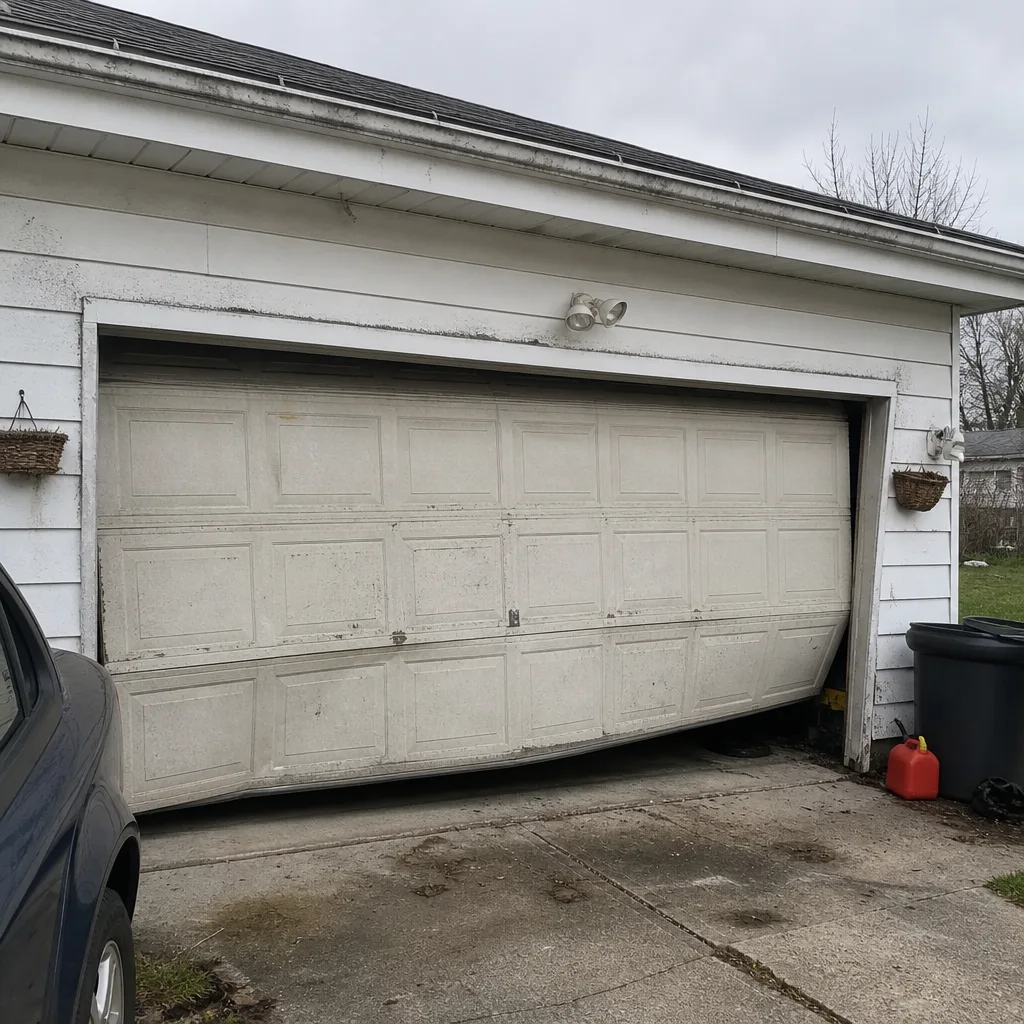 Before
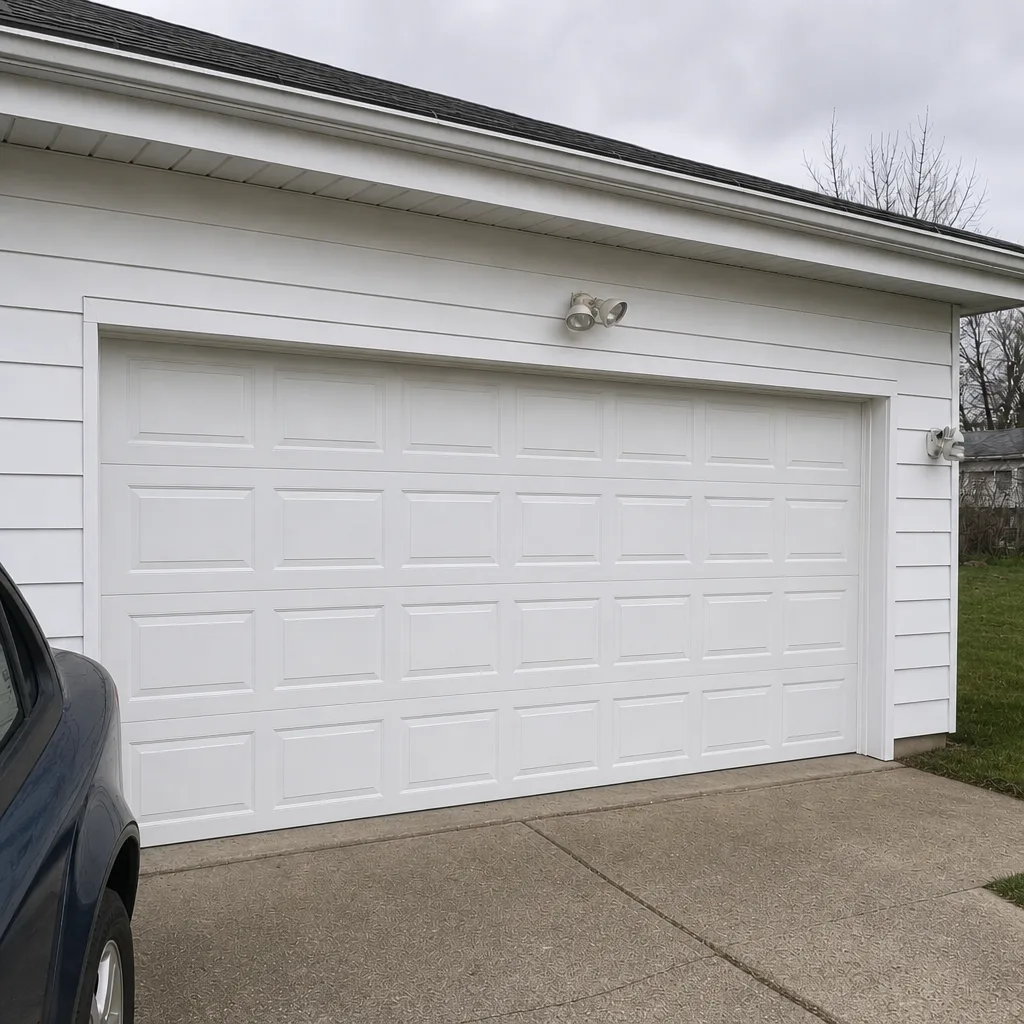 After
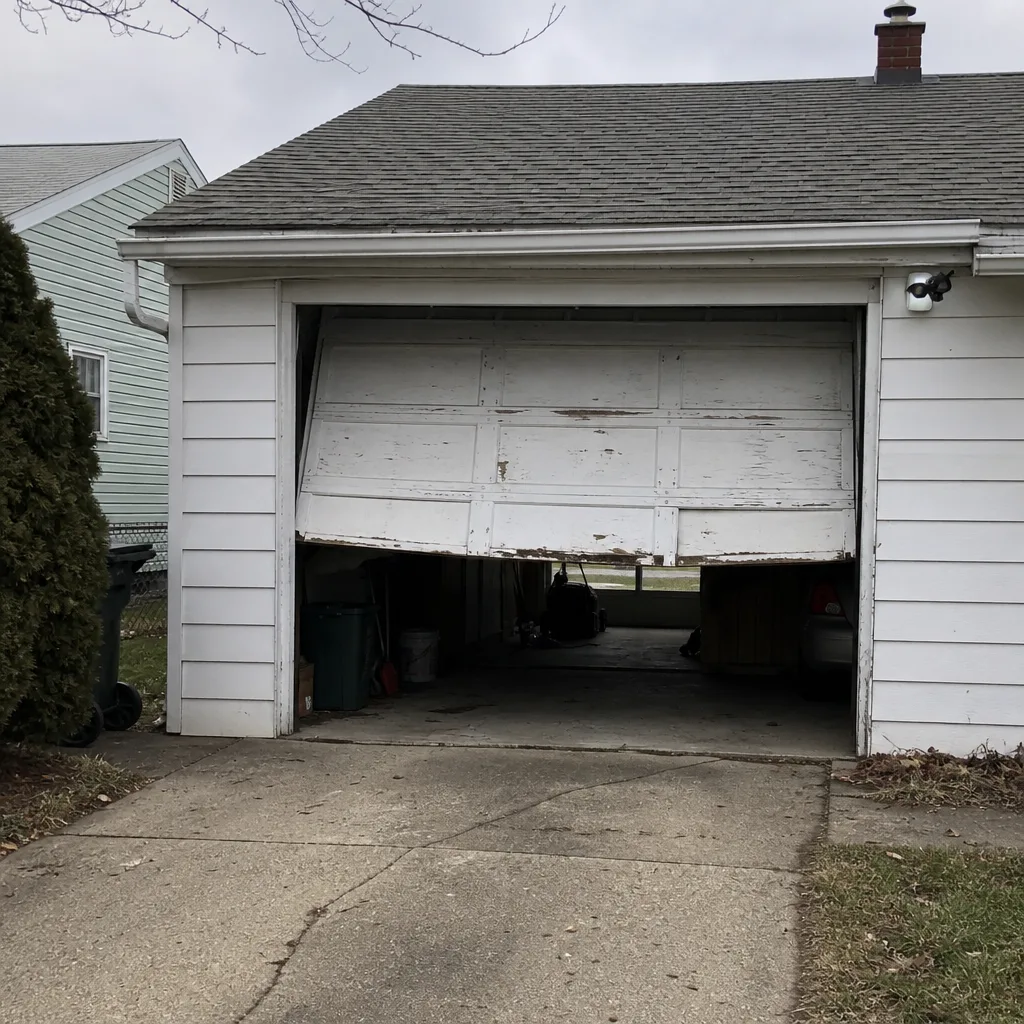 Before
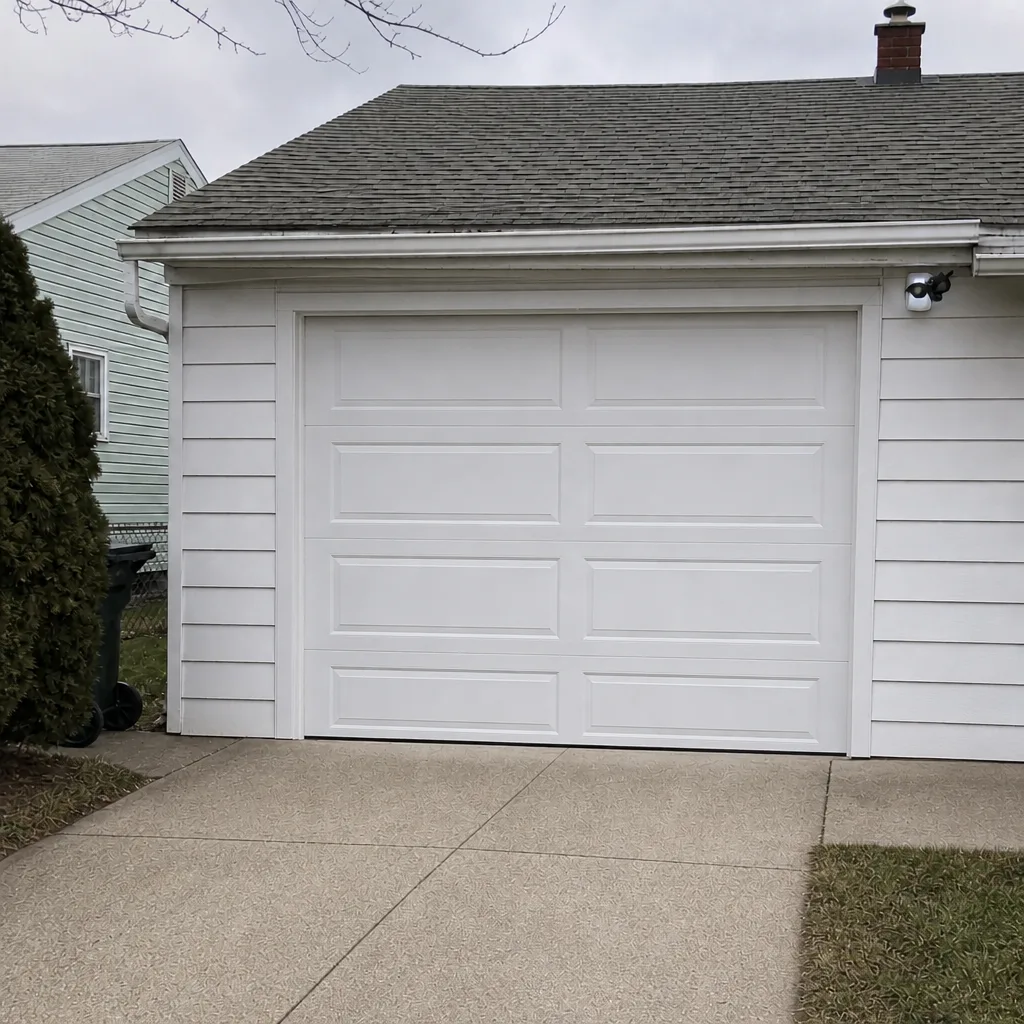 After
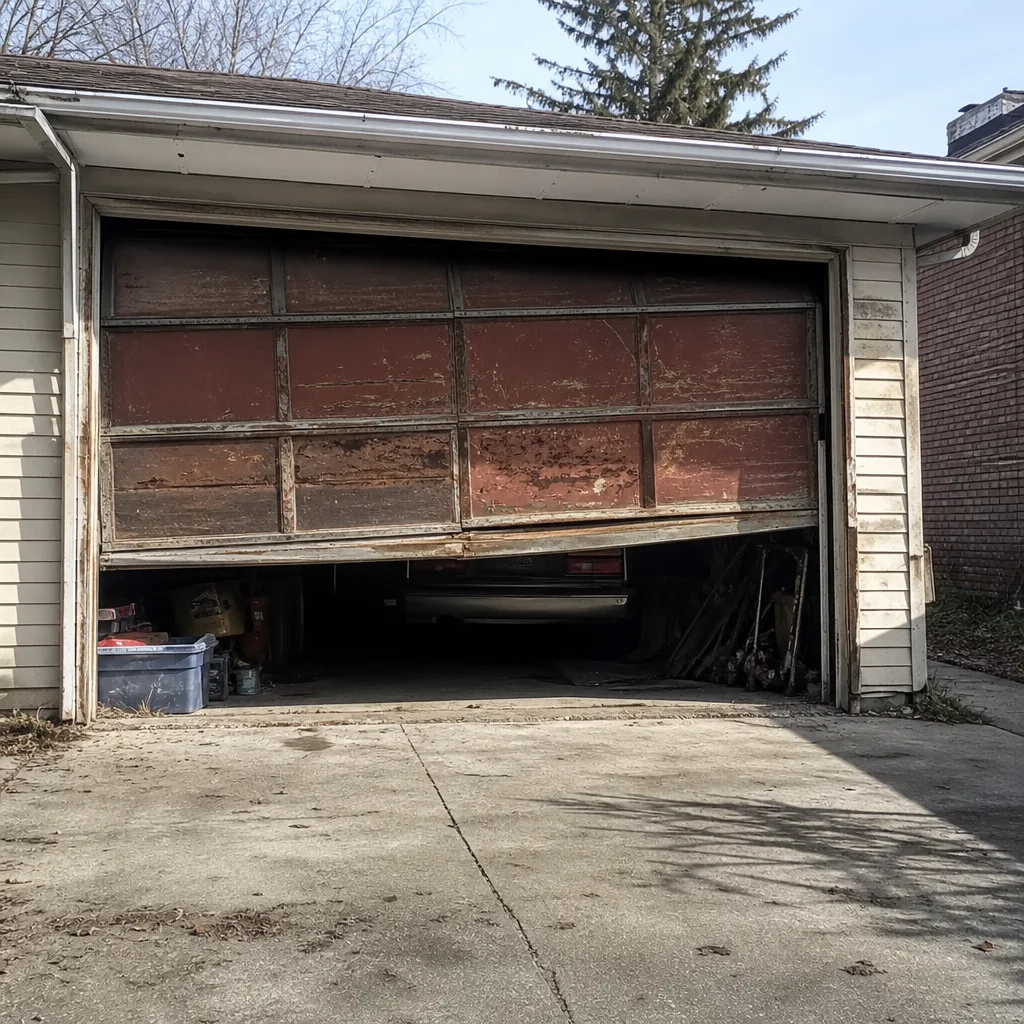 Before
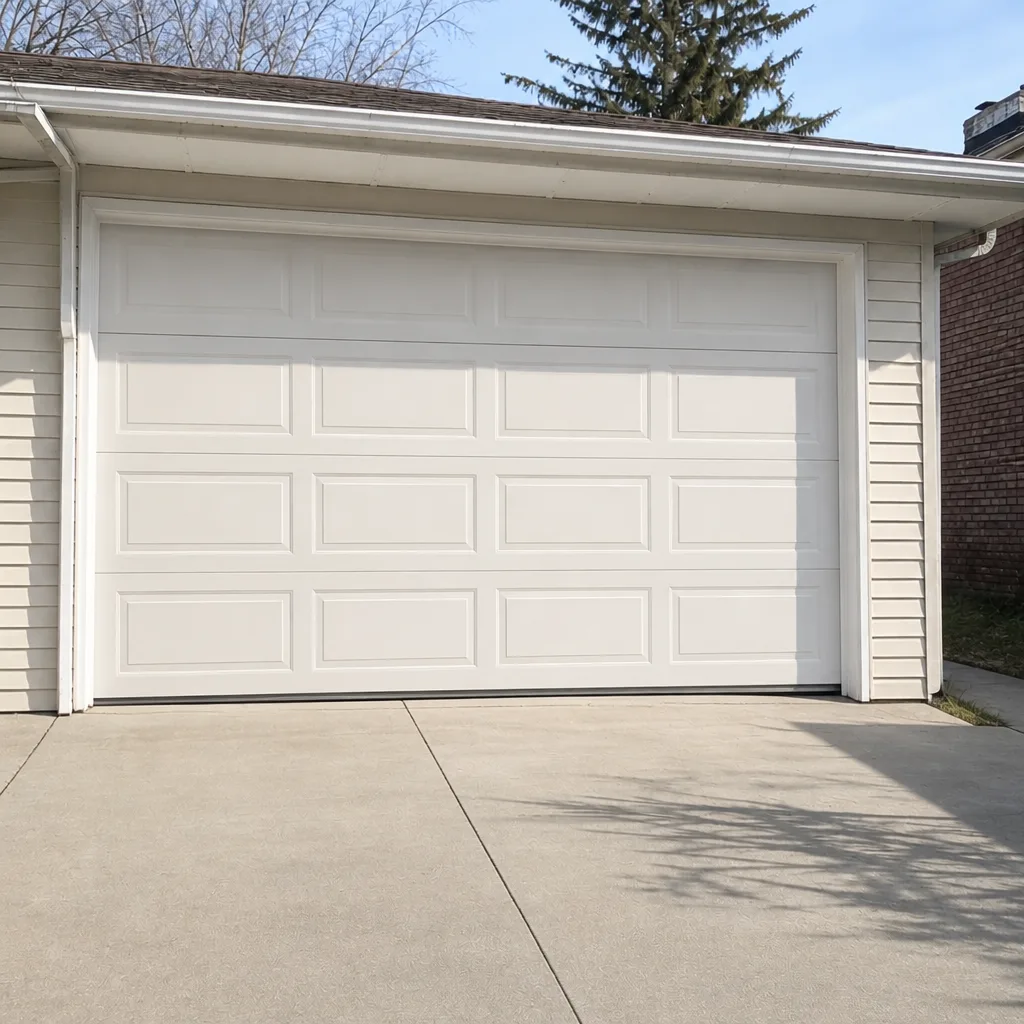 After
When to Call a Professional
Some jobs are DIY-friendly: monthly visual checks, quarterly lubrication, battery swaps, and cleaning the tracks. Others belong with a trained technician, and knowing the difference protects both your door and your safety. Call a professional if you notice a broken or stretched spring, a frayed or loose cable, a door that’s badly out of balance, a door that won’t reverse on contact, or an opener that runs but doesn’t move the door. Any of these can lead to a dangerous failure or secondary damage if ignored.
For repair work, we provide garage door repair for doors across Parma, and we handle garage door opener repair for LiftMaster, Chamberlain, Genie, and Craftsman systems as a standalone specialty, so you don’t need a second company if the diagnosis turns out to be the opener rather than the door. For worn or broken springs, our dedicated spring repair service covers one of the most mechanically demanding jobs on the door. If your door is old enough that repairs are adding up, we also handle garage door installation for Genie, Clopay, Amarr, Wayne Dalton, and Raynor systems, and can walk you through options. We’re open Sunday through Friday, 7am to 7pm, and closed Saturday. Parma Garage Door Repair Co offers free estimates in Parma. Call (844) 900-3998.
Frequently Asked Questions
Service your garage door with monthly visual checks, quarterly lubrication, and a professional mechanical inspection twice a year. Springs should be replaced based on cycle count rather than time, usually when they approach their rated limit in the six-to-seven-year range for average use.
Replace garage door springs based on cycle count, not appearance. Standard springs last roughly 10,000 cycles, which is about six to seven years at four cycles a day. Watch for visible gaps, rust, or a door that feels unusually heavy; those are signs to have them inspected. Call (844) 900-3998 for a free estimate.
Yes, you can lubricate hinges, rollers, springs, and the opener rail yourself with a proper garage door lubricant, but never lubricate the tracks and never adjust or touch the springs or cables beyond a light surface spray. If a spring looks damaged, call a trained technician.
Check the springs for rust or gaps, the cables for fraying, the rollers for flat spots, and run the safety reverse test. Wipe the tracks with a dry cloth and listen for new noises. Note anything unusual so you can track it over time.
Parma’s road salt and freeze-thaw cycles speed up corrosion on springs and bottom brackets, and humid summers keep metal damp longer than in dry regions. That’s why we recommend a salt rinse and lubrication in early spring and a seal check before winter.
We connect you with independent local professionals who are licensed and insured as their state requires. Our technicians have up to 8 years of experience, and we work on eight major door and opener brands, so we know your system before we arrive. Call (844) 900-3998 for a free estimate.
The Bottom Line
A garage door wears out on a cycle count, not a calendar, and the cheapest repair is the one you schedule before it fails. Build your routine around monthly visual checks, quarterly lubrication with the right products (and dry tracks), and a biannual mechanical inspection timed to Parma’s salt-and-freeze-thaw winters. Keep a component log so you know your spring’s age and your rollers’ replacement date, and handle wear parts on your schedule rather than the door’s. For spring, opener, panel, or full door work, Parma Garage Door Repair Co is one call away. Call (844) 900-3998 for a free estimate.
Written by the team at Parma Garage Door Repair Co.