Last updated November 21, 2026
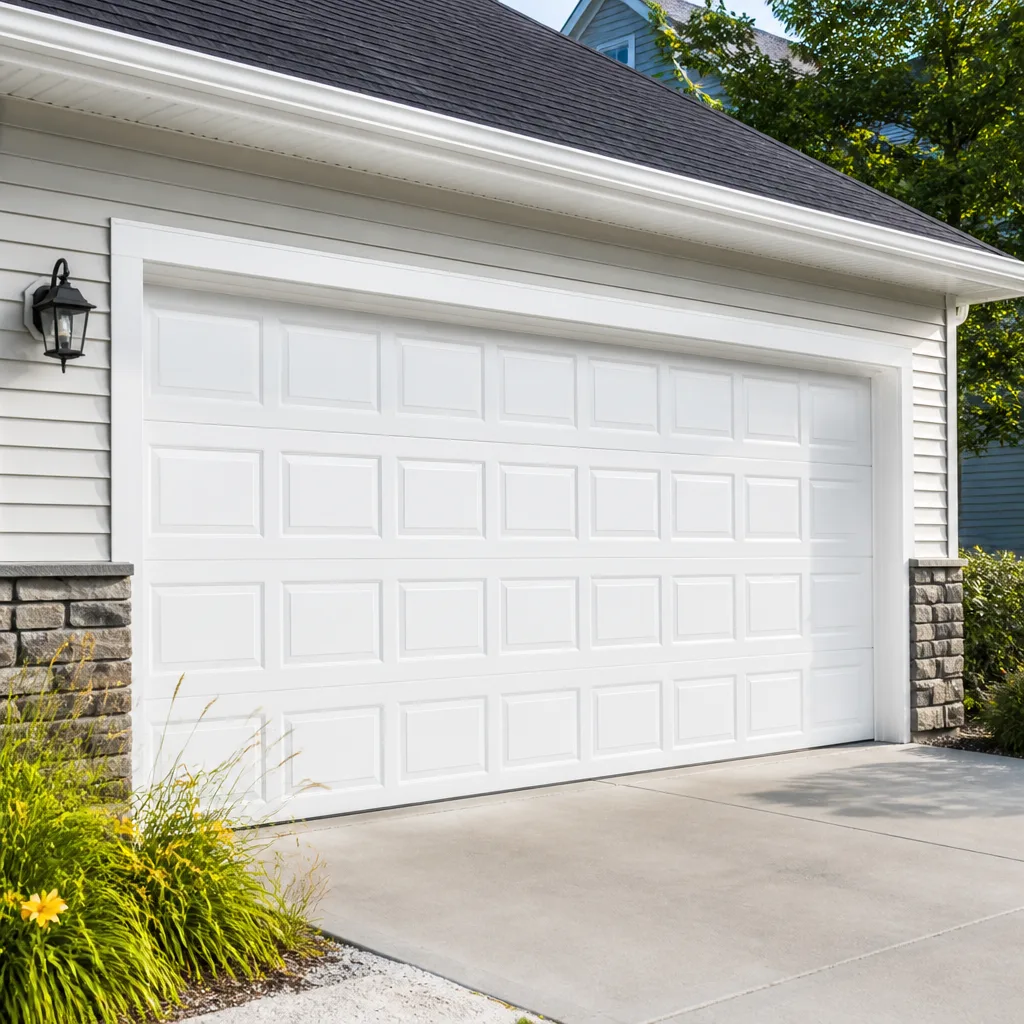 Raised-panel steel
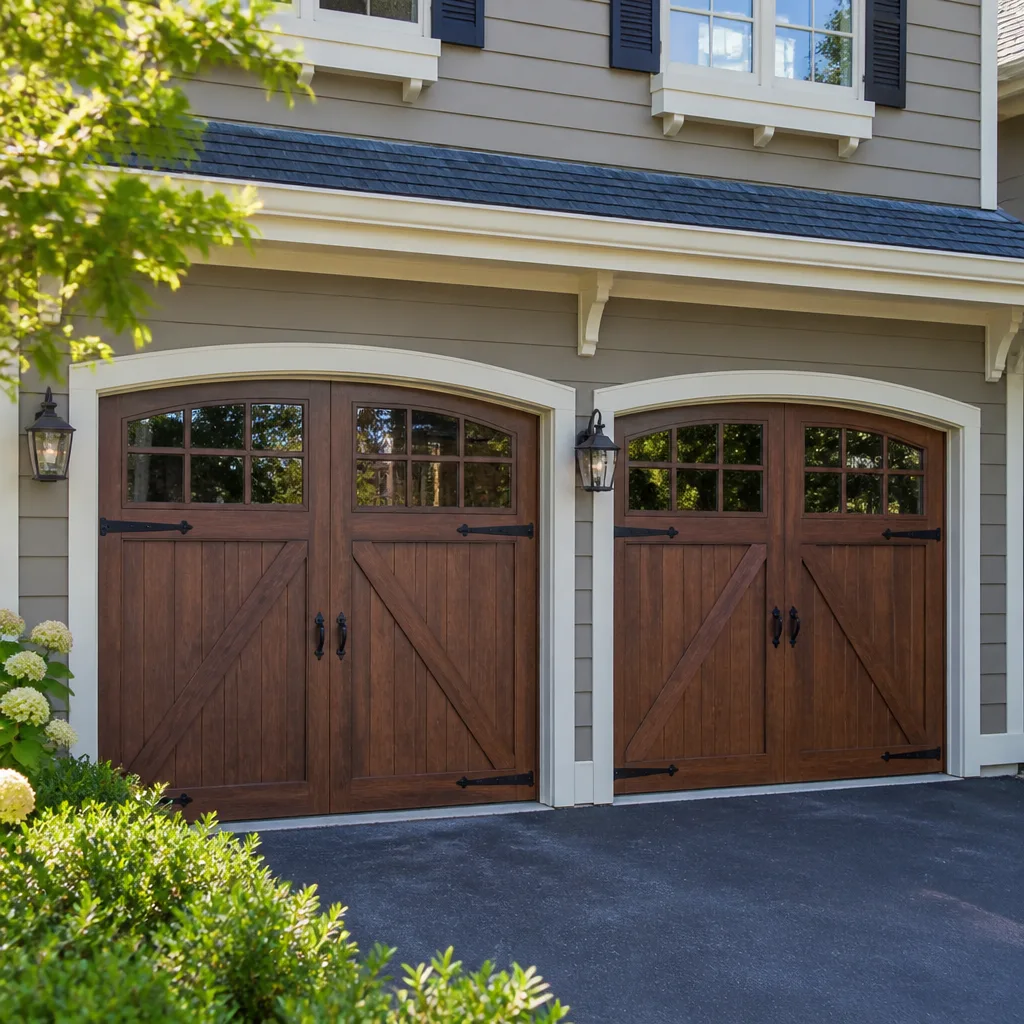 Carriage house
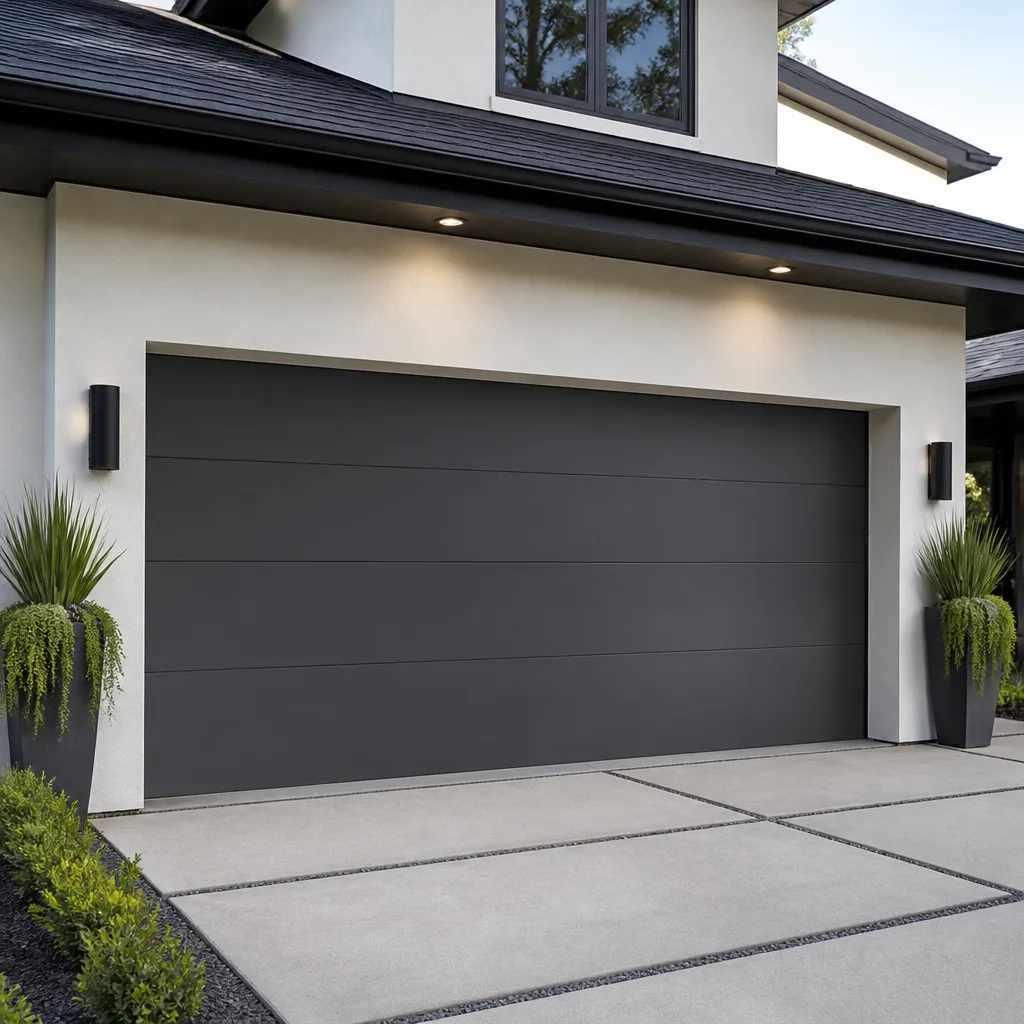 Modern flush
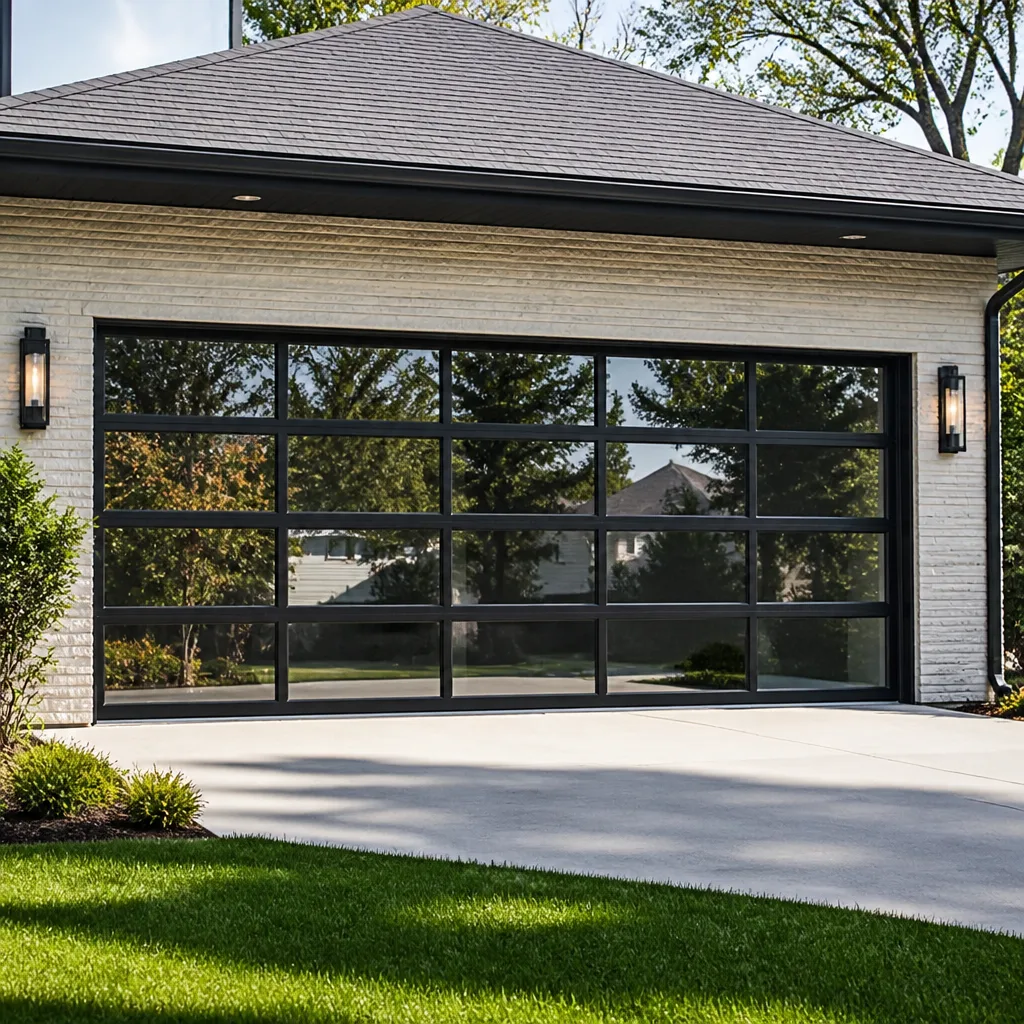 Full-view glass
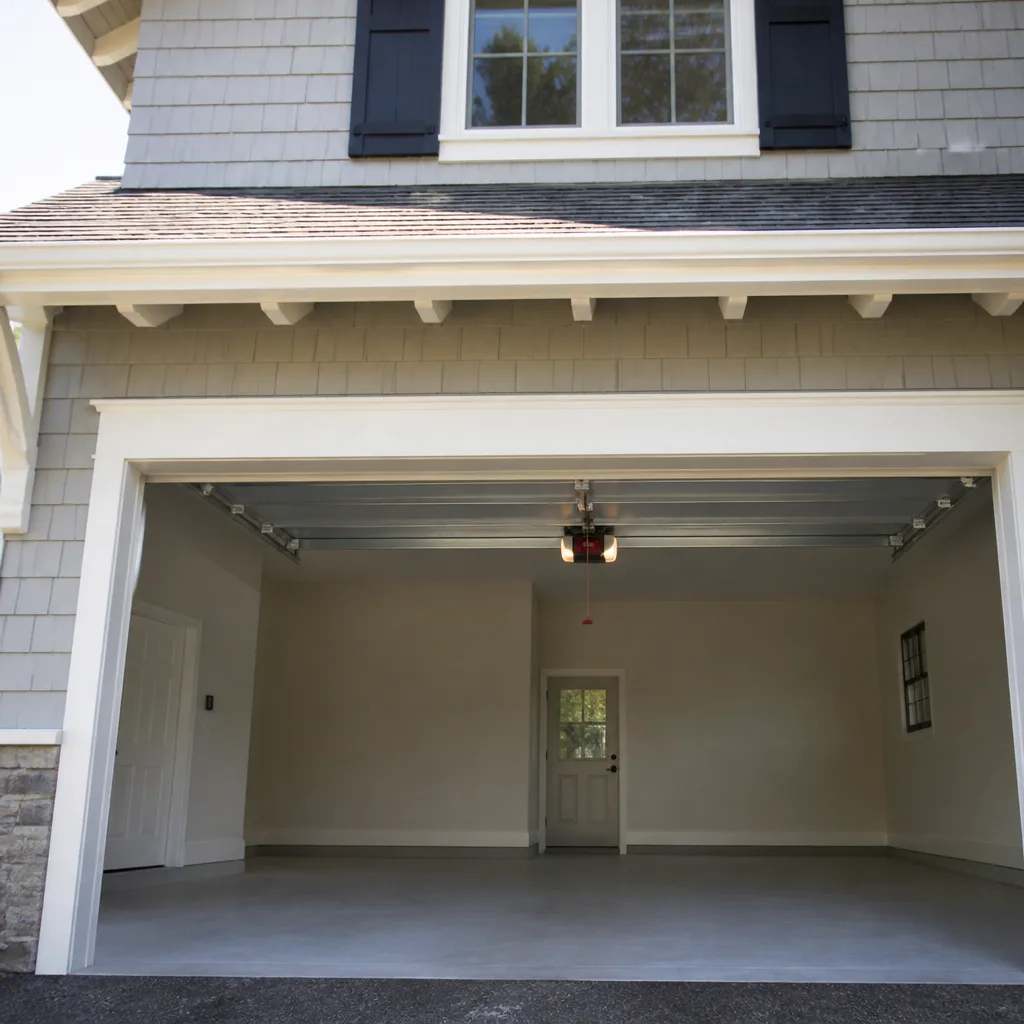 LiftMaster openers
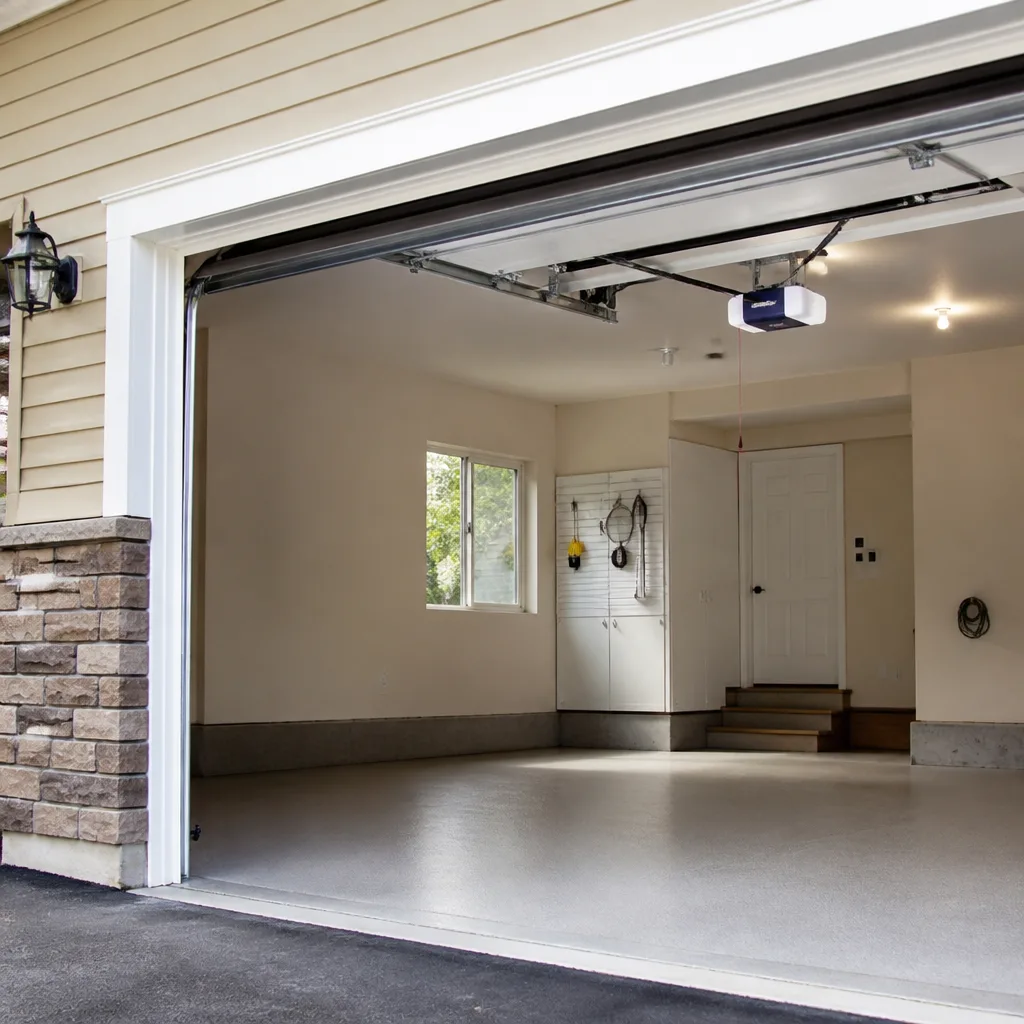 Chamberlain openers
Full 25-point door and opener safety check with every visit - springs, cables, rollers, tracks, and your LiftMaster or Chamberlain opener included
You get a price before we start. It does not change when the pro arrives.
Get your free estimateGarage Door Repair Maintenance Checklist for Parma Homeowners
A can of WD-40 and good intentions have caused more garage door damage in Parma than neglect has. That sounds backwards until you understand what the wrong product does to a moving part: it strips away the factory grease, attracts grit, and turns a smooth roller into a grinding one. Homeowners reach for the blue-and-yellow can because it’s in the cabinet, not because it belongs on a torsion spring. This checklist closes that gap. You’ll learn which lubricant goes on which component, how to run the five-point balance test safely, how to time maintenance around a northeast Ohio year, and what to log so a technician can spot a part wearing out before it fails.
Quick Answer
A solid garage door maintenance routine in Parma has three layers: monthly checks you can do in ten minutes (visual inspection, balance test, listening for new noises), seasonal prep before each winter and after each spring thaw, and an annual deep pass with a trained technician for springs, cables, and opener calibration. The single most important interval is pre-winter prep in October or early November, because freeze-thaw cycling is what stresses weatherstripping, hinges, and the bottom seal in this climate. Never lubricate springs, rollers, hinges, or tracks with WD-40 or silicone spray; use a lithium- or PTFE-based garage door lubricant instead.
Styles & brands we work with
- Raised-panel steel
- Carriage house
- Modern flush
- Full-view glass
- LiftMaster openers
- Chamberlain openers
Table of Contents
- Monthly Checks: The Ten-Minute Pass
- Which Lubricant Goes Where (And What Never to Use)
- The Five-Point Manual Balance Test
- Seasonal Calendar for Parma’s Freeze-Thaw Year
- Inspecting Weatherstripping for the Freeze-Gap Failure
- What to Log After Every Maintenance Pass
- Opener Checks and Drive System Care
- Common Mistakes to Avoid
- When to Call a Professional
Monthly Checks: The Ten-Minute Pass
Once a month, walk the door from the inside with the opener disengaged and the door fully closed. Nothing here requires tools, and nothing here puts your hands near a spring, cable, or bracket. You’re looking, listening, and feeling for change.
- Look at the door from the center of the garage. Stand back and check that the bottom edge sits parallel to the floor. A door that’s riding uneven on one side points to a cable, drum, or spring issue that should be looked at before it gets worse.
- Run a finger along each hinge knuckle. You’re feeling for metal shavings, rust bloom, or a rough edge. Hinges on the bottom section take the most grit from the driveway and are usually the first to show wear.
- Check the rollers in the track. Nylon rollers should spin free and quiet. Steel rollers should turn without wobble. Any roller that’s flat-spotted or grinding is a candidate for replacement.
- Walk the tracks by eye. The vertical tracks should sit plumb. The curved section should be smooth. Dents, kinks, or a track pulling away from the jamb are all things a technician should see rather than you persuading back into place with a hammer.
- Listen on one open-and-close cycle. New noises are information. A single loud pop at the start of travel, a squeal partway up, or a clunk near the top rail all point to different components.
- Test the safety reverse. With the door open a few feet, wave an object in front of the photo-eye sensors. The door should reverse. Then lay a piece of wood flat on the floor in the door’s path and close it; the door should reverse on contact.
If any of those six checks turns up something, write it down and keep going. You don’t need to diagnose the fix, just notice what changed since last month. We work on Amarr, Wayne Dalton, and Raynor doors regularly around Parma, and the doors that last two decades are the ones where homeowners catch a wobble or a squeal in month one, not month six.
Which Lubricant Goes Where (And What Never to Use)
WD-40 is a solvent, not a lubricant. It displaces moisture and thins old grease, which is fine for a stuck bolt and wrong for a garage door. Silicone spray is the next most common mistake: it leaves a slick film that wears off in weeks and collects dust into a paste in the meantime. What you want on moving metal-to-metal contact is a lithium- or PTFE-based garage door lubricant, usually sold in a small tube or an aerosol can labeled for garage door use.
Here’s what goes where:
- Torsion and extension springs: a light wipe of lithium grease along the coils, not a heavy coat. Springs don’t need much; they need consistency. Do not spray and walk away, and do not put your hands between coils. If you have to reach past a winding cone or a cable, stop and call a technician.
- Steel rollers: a drop of oil on the stem where it meets the bracket, not on the wheel face. Nylon rollers should never be oiled; oil attracts grit that chews them up.
- Hinges: a light spray on each hinge knuckle, worked in by opening and closing the door a few times. Bottom hinges get this twice as often as the top ones.
- Bearings and the torsion shaft: a small amount of grease on the bearing plates at the ends of the shaft. These are the parts that squeal when they dry out in cold weather.
- Tracks: nothing. Tracks are meant to be clean and dry. Wipe them with a damp cloth and let them dry completely. Grease on a track collects grit and creates a grinding paste.
- Weatherstripping and seals: a thin coat of silicone spray here is actually correct, because you want the rubber to stay pliable and shed water. This is the one place silicone earns its spot.
Two specifics. First, less is more across every component. A pea-sized bead of grease on a hinge goes a long way; a coating drips onto the driveway and does nothing for the door. Second, if a hinge or roller is already rusty, greasing it doesn’t fix it. Rust means the part is on the way out, and replacement is cheaper than watching it seize mid-travel. If you’re not sure which parts are past saving, plan a garage door repair visit and have the technician point out what to watch.
The Five-Point Manual Balance Test
The balance test tells you whether the springs are carrying their share of the door’s weight, or whether the opener is doing work it shouldn’t. You can run this safely with your hands, and no tools. Do not, at any point in this test, put your hands near a spring, cable, or the bottom bracket.
- Close the door fully and pull the emergency release cord to disengage the opener. The door should now be on the springs only.
- Lift the door to about waist height and let go. It should stay roughly where you left it. A door that drifts or slams to the floor is out of balance.
- Lift to halfway and repeat. It should hold again. If the door falls at one height and holds at another, the springs are uneven side to side.
- Lift to shoulder height and hold it there for five seconds. It should feel light. If it feels heavy, the springs are losing tension.
- Lower the door gently to the floor and re-engage the opener. Never let it free-fall back down. A door that drops the last two feet under its own weight is telling you the springs have weakened.
A door that fails any of those five checks needs a spring inspection, and that’s a job for a technician. Torsion springs are under significant tension even when the door looks still, and the winding process is one of the few places in home maintenance where a mistake can cause serious injury. If the door slams, drops, or feels heavy, don’t try to “help it” by adding grease or forcing the opener. Call for a proper look. If the door also has an opener problem on top of the spring symptom, that often means two separate fixes, and we handle both under one visit so you’re not scheduling twice.
Seasonal Calendar for Parma’s Freeze-Thaw Year
Parma gets a full northeast Ohio winter: hard freezes, snow sitting against the door, and a thaw in February or March that turns every driveway into runoff. That cycle stresses different parts of the door at different times of year, which is why a single annual tune-up misses half the damage. We recommend breaking the year into four passes.
- October to early November (most critical): pre-winter prep. Lubricate all moving parts with the right product, inspect weatherstripping and the bottom seal for cracks, clear the tracks of summer debris, test the safety reverse, and check the opener’s force settings. Cold makes metal brittle and rubber stiff, so the goal is to get everything pliable before the first hard freeze.
- January to February (deep winter check): a visual pass only. Look for ice buildup in the tracks, a door that’s become noisy or slow, and any daylight showing around the perimeter. Don’t force a frozen door; call instead.
- March to April (thaw check): this is when freeze-gap failures show up. Water that’s been sitting against the bottom seal refreezes overnight and widens small cracks. Inspect the seal and re-lubricate anything that got stiff over winter.
- June to July (mid-year reset): a full balance test, a track clean, a check on the rollers, and a listen to the opener. Summer heat swells wood frame doors and slackens some rubber parts; this pass catches drift before fall.
Every one of these passes takes less than an hour if nothing’s wrong. If it’s been more than a year since the last deep maintenance visit, the annual technician appointment should replace one of the seasonal passes rather than stack on top of it. Our technicians have up to 8 years of experience on doors from Clopay, Crawford-line Wayne Dalton, and LiftMaster openers, which means a maintenance visit usually catches problems the homeowner didn’t know to look for. If you find a worn panel, an uneven track, or an opener that’s making a new sound, we can talk through whether it’s repair or replacement on the same call.
Inspecting Weatherstripping for the Freeze-Gap Failure
The weatherstripping is the last thing most homeowners check, and in a Parma winter it’s the first thing that fails. The failure mode is specific: water collects along the bottom seal, sits overnight, and freezes into a thin lens of ice. The next morning the door lifts that ice, drags it up the seal, and cracks the rubber along the contact line. Repeat that a few dozen times over a winter and the seal develops a permanent gap that you can see daylight through from inside the garage.
To check for freeze-gap failure, close the door fully and stand inside the garage with the lights on. Look along the bottom edge. It should press flat against the floor with no daylight showing. Then look at the sides and top where the door meets the frame. Anywhere you can see a thin bright line is a gap, and those gaps are what let cold air in, let water in during the thaw, and let mice in year-round.
Run your thumb along the bottom seal from one end to the other. It should feel supple and even. Cracks, hard spots, or a section that’s torn away from the retainer are all signs the seal is past its useful life. The same goes for the side and top trim: hardened rubber with visible splits needs replacing, and pushing it further only widens the gap.
A fresh seal is a modest job and easily handled during a routine garage door repair visit. If the seal is beyond saving and the door itself is showing rust-through at the bottom section, that’s a different conversation. Call to talk through options before the next hard freeze, because a bottom section that’s waterlogged will freeze and swell through the winter.
What to Log After Every Maintenance Pass
The single habit that separates a door that lasts from a door that gets replaced early is a log. It doesn’t need to be fancy: a notebook in the garage, a note on your phone, or a shared note in the household. What matters is that every pass gets an entry with four things: the date, the list of what you checked, what you found, and any noises or movements that were new.
Here’s what to record:
- Date and rough weather (cold snap, thaw, wet spring). The date lets a technician see change across visits. Weather explains why a given month looked worse than the one before.
- Balance test result at each of the five points. “Held at all five” versus “drifted at waist height” is a data point a technician can use.
- Noise description, not just “noisy.” “Single pop at start of travel” points to a hinge; “squeal through the middle of travel” points to a bearing or a roller; “grinding near the top” points at a track or an opener rail.
- Lubricant used and where. If a technician knows you greased the hinges in October, they can tell you to skip that component in January.
- Anything you noticed but didn’t fix. A small kink in a track, a roller that’s spinning unevenly, a crack in the seal. These are the notes that turn into a plan.
When a technician arrives for the annual deep pass or an garage door opener repair call, your log is the difference between a fifteen-minute site read and a full diagnostic rebuild. Several of our Parma customers keep a page taped inside the frame near the opener, and it’s the reason we can spot a slow decline over years instead of seeing a door fail all at once.
Opener Checks and Drive System Care
The opener isn’t a maintenance-free box. It’s a motor with a force setting, a travel limit, and a safety reverse system, and each of those can drift over a few seasons. Three quick checks cover most of what homeowners can safely do themselves.
- Test the safety reverse every month using the wood-block method described in the monthly pass. If the door doesn’t reverse on contact, stop using the opener and call for a check. This is the single most important safety test in the whole routine.
- Watch the travel. The door should open fully without straining at the top and should close to the floor without bouncing back up. A door that bounces at the bottom or stalls at the top has drifted out of its travel limits and needs an adjustment.
- Listen to the drive system. Chain and belt drives have specific sounds. A chain that slaps or a belt that squeals is a lubrication or tension issue, not a door issue, but it’s worth writing down so the technician can address it at the next visit.
Beyond that, the opener is a technician’s job. Force settings, travel limits, and the internal logic board are all inside the housing, and a well-meaning adjustment can disable the safety reverse. We work on LiftMaster, Chamberlain, Genie, and Craftsman systems, which covers the vast majority of openers installed in Parma garages, so the technician already knows the model before they arrive. If the opener is genuinely past saving and a replacement is the answer, plan that as a scheduled appointment rather than a callout. The same team that services the current unit also handles new garage door installation and can quote a full replacement in a single written estimate.
Common Mistakes to Avoid
- Reaching for WD-40 first. It’s a solvent, not a lubricant. It thins the grease already on the springs and hinges and leaves them drier than they were before the can came out. Use a garage-door-specific lithium or PTFE lubricant instead.
- Greasing the tracks. Tracks are meant to be dry. Grease on a track collects grit, which grinds against the rollers and creates the exact wear a homeowner is trying to prevent.
- Forcing a frozen door in winter. A door that won’t open on a January morning is usually frozen to the seal. Forcing the opener strips gears and can snap a lift cable. Break the seal free by hand (from outside, gently) or call for emergency service.
- Skipping the pre-winter pass. Fall prep is the interval that matters most in Parma. A door that goes into December with dry hinges and a stiff seal will be the first to fail in a cold snap.
- Ignoring a “small” kink in the track. A dinged track is a misalignment waiting to become a stuck door. Tracks aren’t meant to be hammered back into shape; they’re meant to be replaced or professionally straightened.
- Adjusting the opener’s force setting without a gauge. Turning up the force to get the door moving may mask a spring problem and can defeat the safety reverse. If the door feels heavy, the answer is to fix the door, not push the opener harder.
- Tackling torsion spring work because a video made it look easy. Springs are under heavy tension, and the winding bars are dangerous by design. This is one of the few home maintenance tasks where the honest answer is to call a professional.
When to Call a Professional
Some symptoms are worth a call the same week. If the balance test fails, if you see a broken spring (the classic sign is a visible gap in a coil), if the door is hanging crooked, if a cable is off its drum, or if the opener reverses on its own, those are professional jobs. Stop using the door until it’s checked, and don’t let the opener run on a door that’s out of balance. Parma Garage Door Repair Co offers free estimates in Parma; call (844) 900-3998 and we’ll tell you whether it’s a maintenance call, a repair, or something bigger. We handle springs, panels, openers, and full door replacement under one roof, so there’s no second call to make whichever way the diagnosis goes.
See the difference
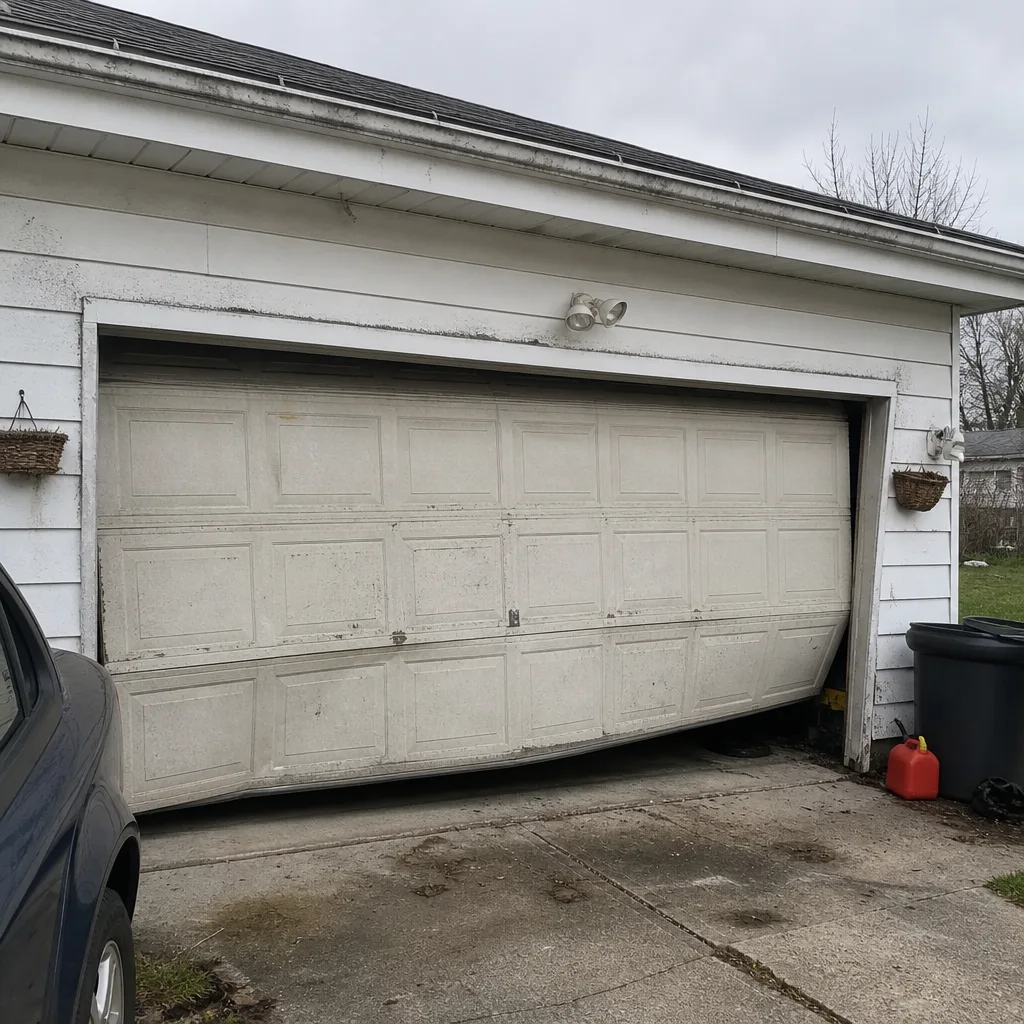 Before
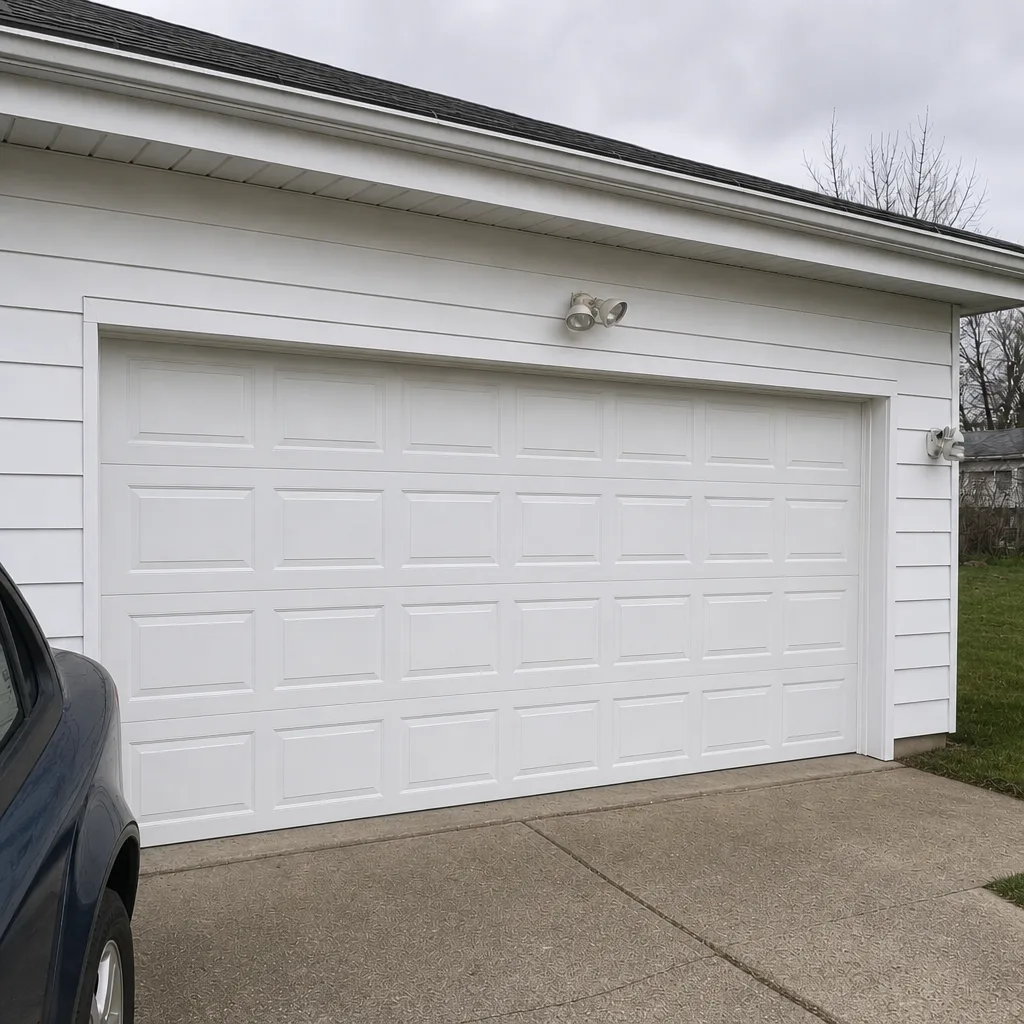 After
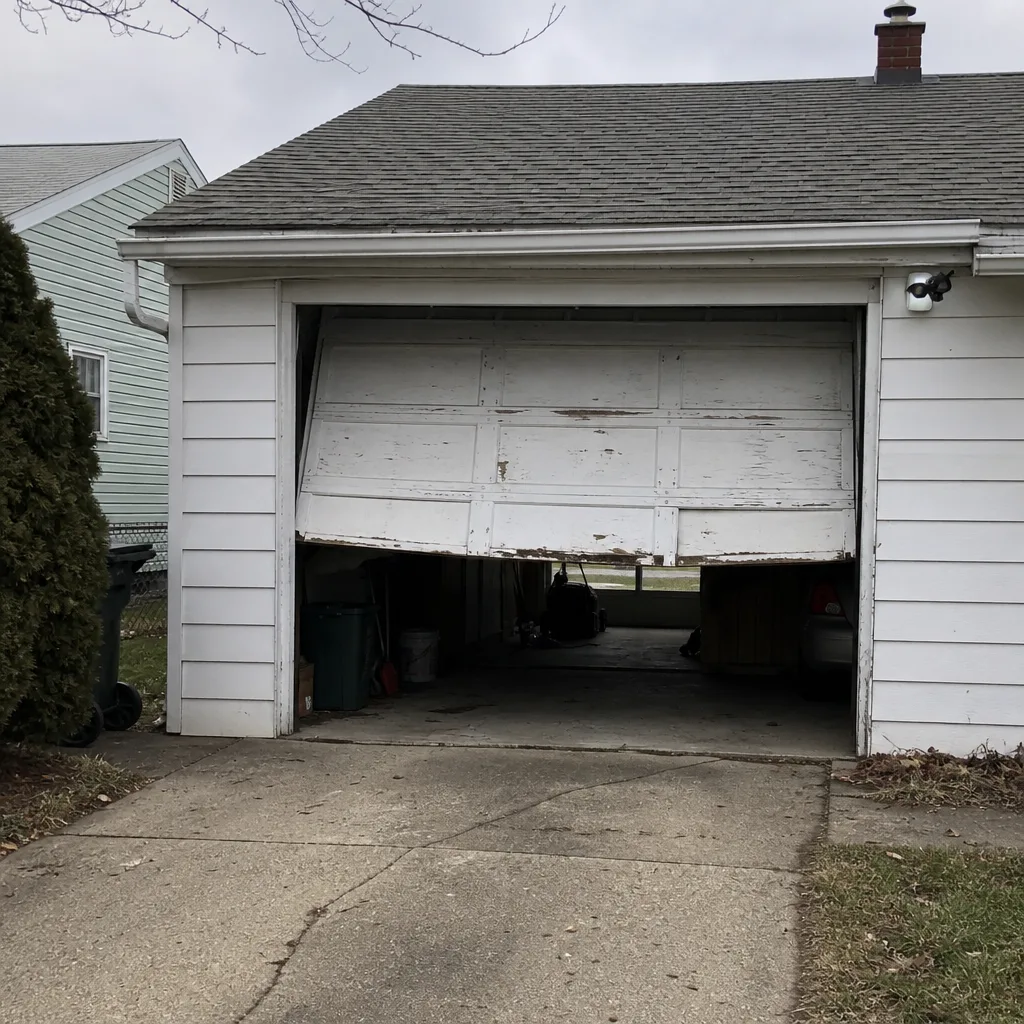 Before
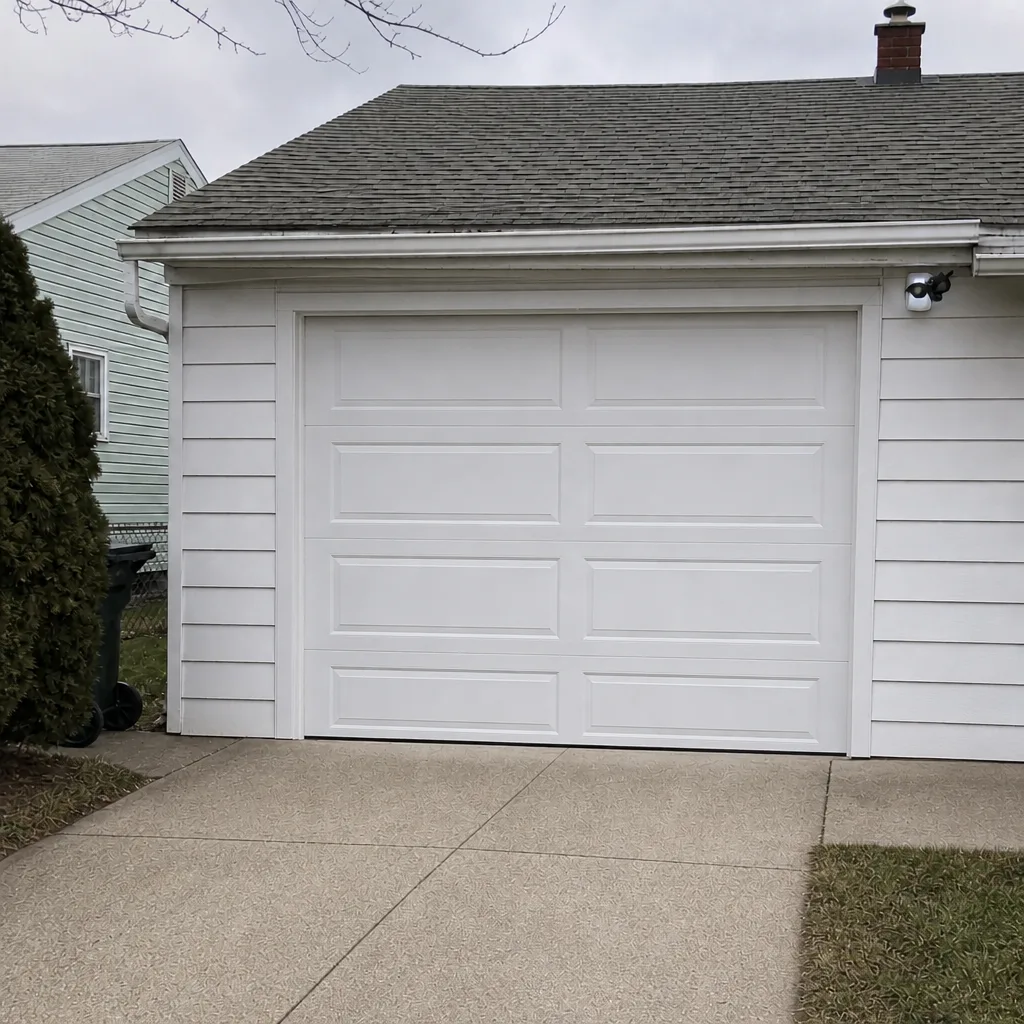 After
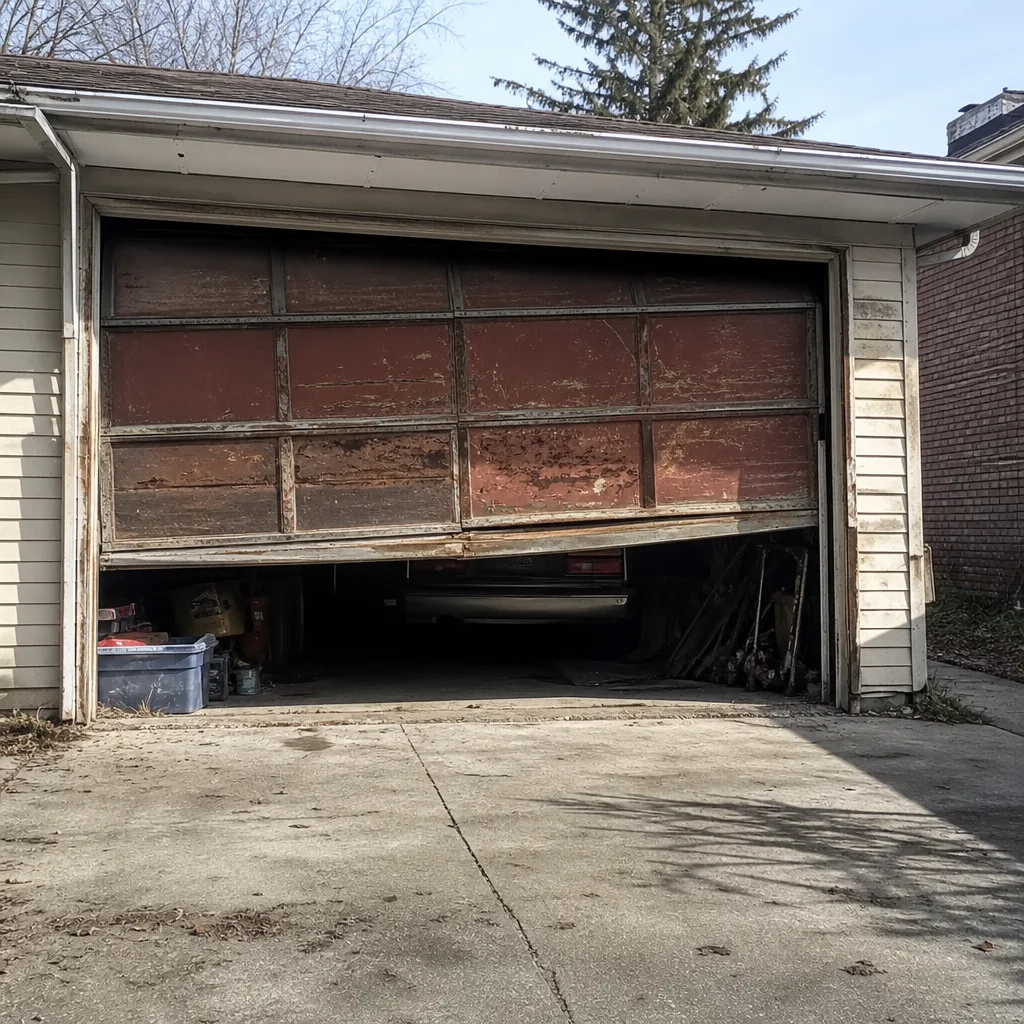 Before
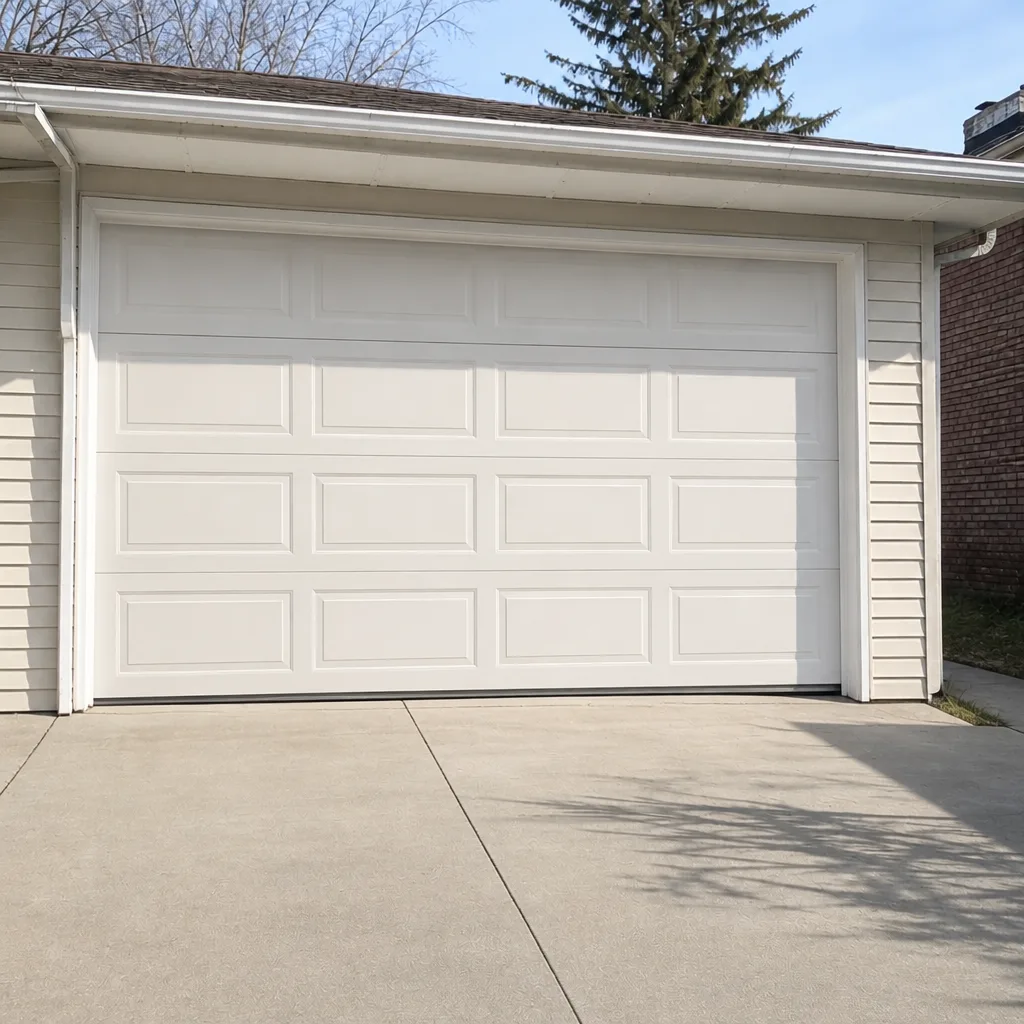 After
Frequently Asked Questions
Two to three times a year is the right rhythm for this climate: once in fall before the first freeze, once in mid-winter after the coldest stretch, and once in spring after the thaw. The springs, hinges, bearings, and steel rollers are the components that need it. Tracks and nylon rollers should stay dry. If you only do one pass a year, do the October one.
A lithium- or PTFE-based garage door lubricant, applied as a light wipe along the coils. Do not use WD-40, silicone spray, or household oils on springs; they break down the existing grease and attract grit. If you have to reach past a winding cone to get to the spring, that’s the point to call a technician instead. Call (844) 900-3998 for a free estimate on spring service.
Yes. The five-point manual balance test is safe to run with the opener disengaged as long as your hands stay away from springs, cables, and the bottom bracket. If the door drops, slams, or feels heavy, stop and call for an inspection. Don’t try to adjust the springs yourself.
Once a year is better than nothing, but a ten-minute monthly visual pass is what catches small problems before they become expensive ones. You’re not doing heavy work in the monthly pass; you’re looking, listening, and testing the safety reverse. That’s the difference between a maintenance routine and an emergency call.
Some added noise in cold weather is normal as metal contracts and lubricant thickens. Grinding, a single sharp pop at the start of travel, or a squeal that wasn’t there in October is worth a professional look. Those usually point to a bearing, a hinge, or a roller that’s worn and needs replacing before it fails mid-winter.
Date, weather, balance test result, any new noise with a description, lubricant used and where, and anything you noticed but didn’t fix. A technician reads that log as a timeline. It’s what lets us spot a slow decline over multiple visits instead of seeing a door fail all at once.
The Bottom Line
Garage door maintenance in Parma is mostly about using the right product on the right part and timing the passes to the freeze-thaw cycle. Skip the WD-40, keep the tracks dry, run the five-point balance test monthly, prep hard in October, and write down what you see. Most door failures announce themselves months ahead if someone is paying attention. The work you can safely do yourself is genuinely useful, and the work you can’t (springs, cables, force settings) is worth a call, not a YouTube tutorial. Parma Garage Door Repair Co handles springs, openers, panels, and full doors under one roof, so whatever the log turns up, one call covers it.
Ready for a maintenance check, a spring repair, or a full replacement quote? Call (844) 900-3998 for a free estimate. Our technicians have up to 8 years of experience across the major door and opener brands, and the price is always quoted and agreed before any work starts. Visit Parma Garage Door Repair Co to see the full scope of what we handle in Parma.
Written by the team at Parma Garage Door Repair Co.