Last updated November 21, 2026
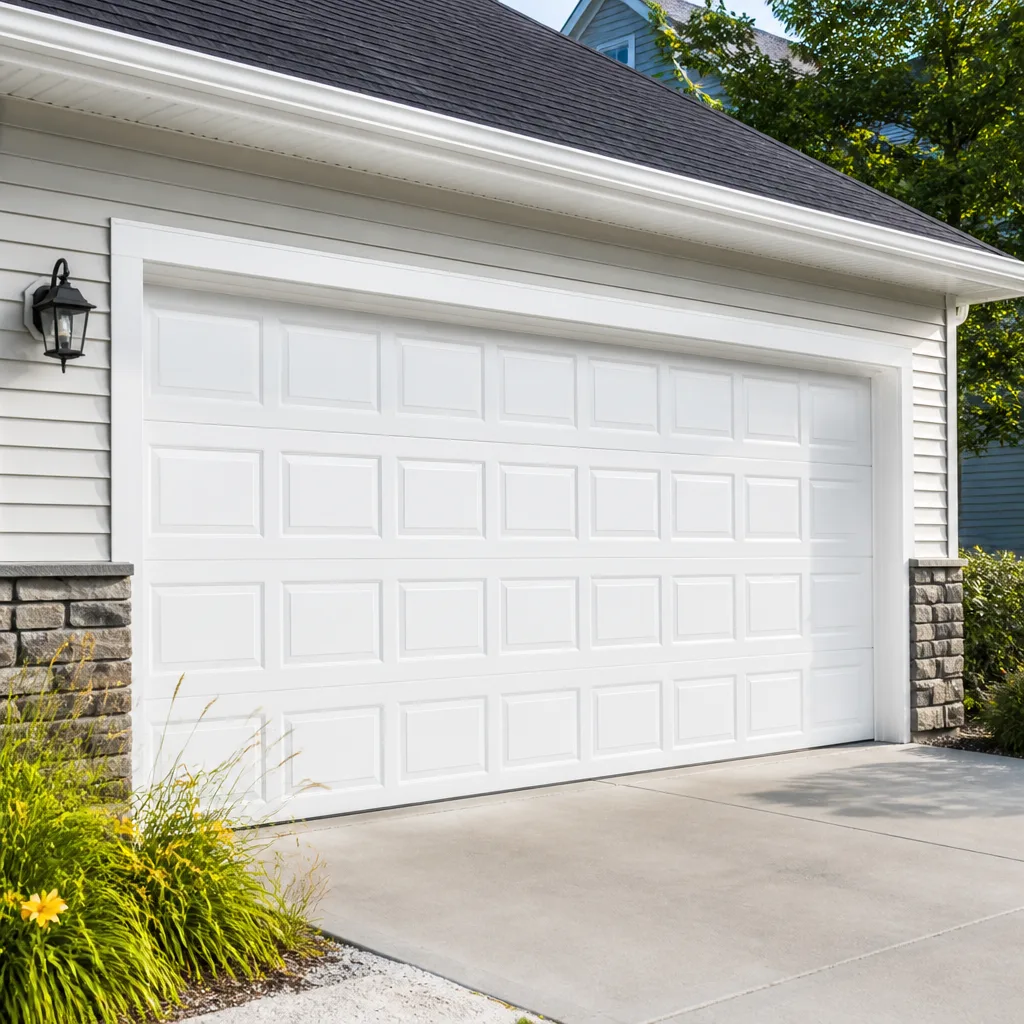 Raised-panel steel
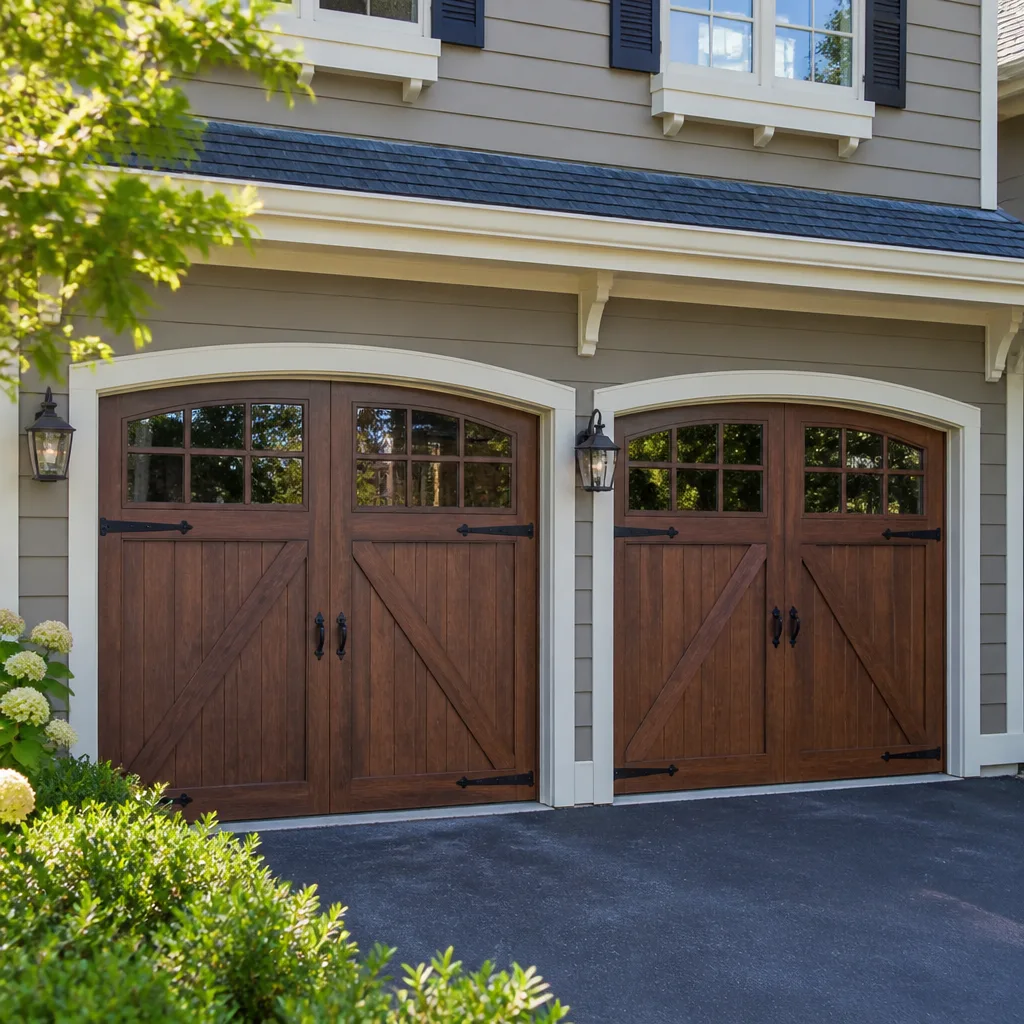 Carriage house
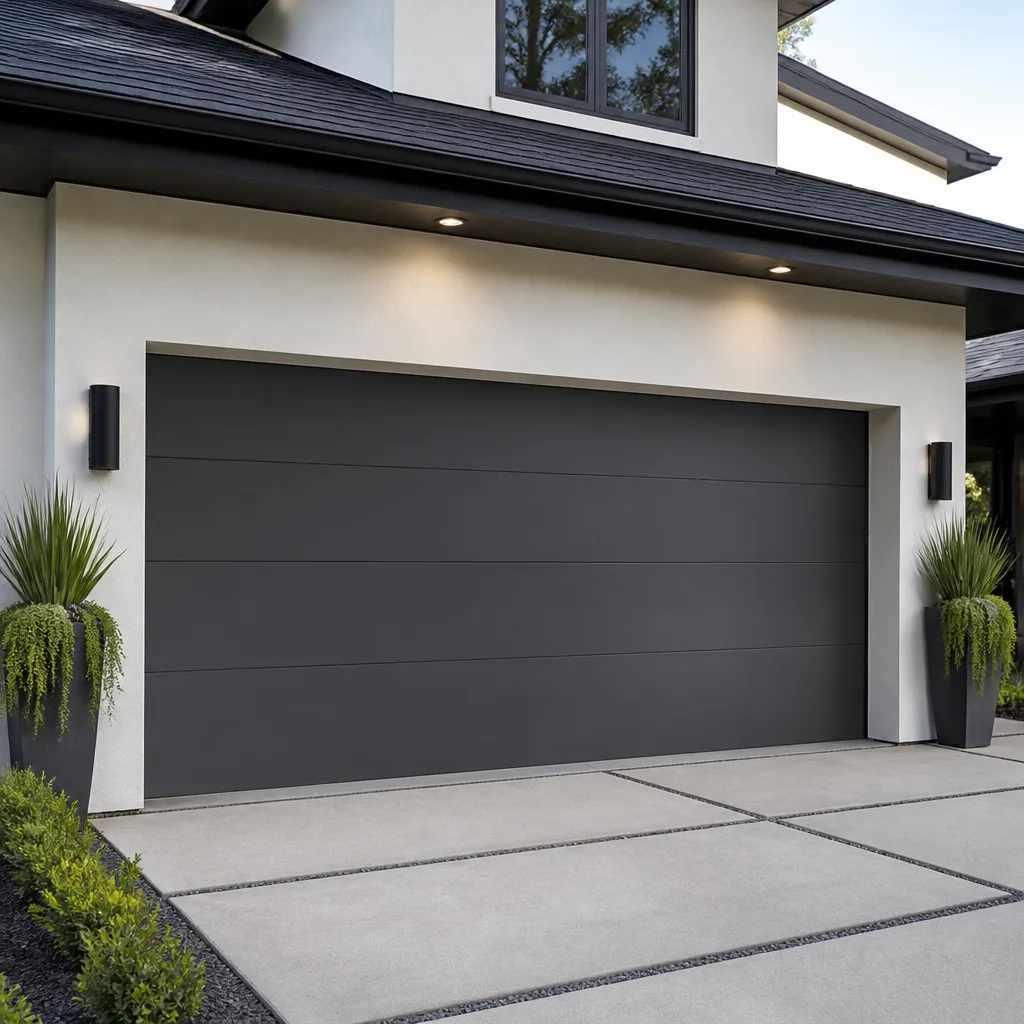 Modern flush
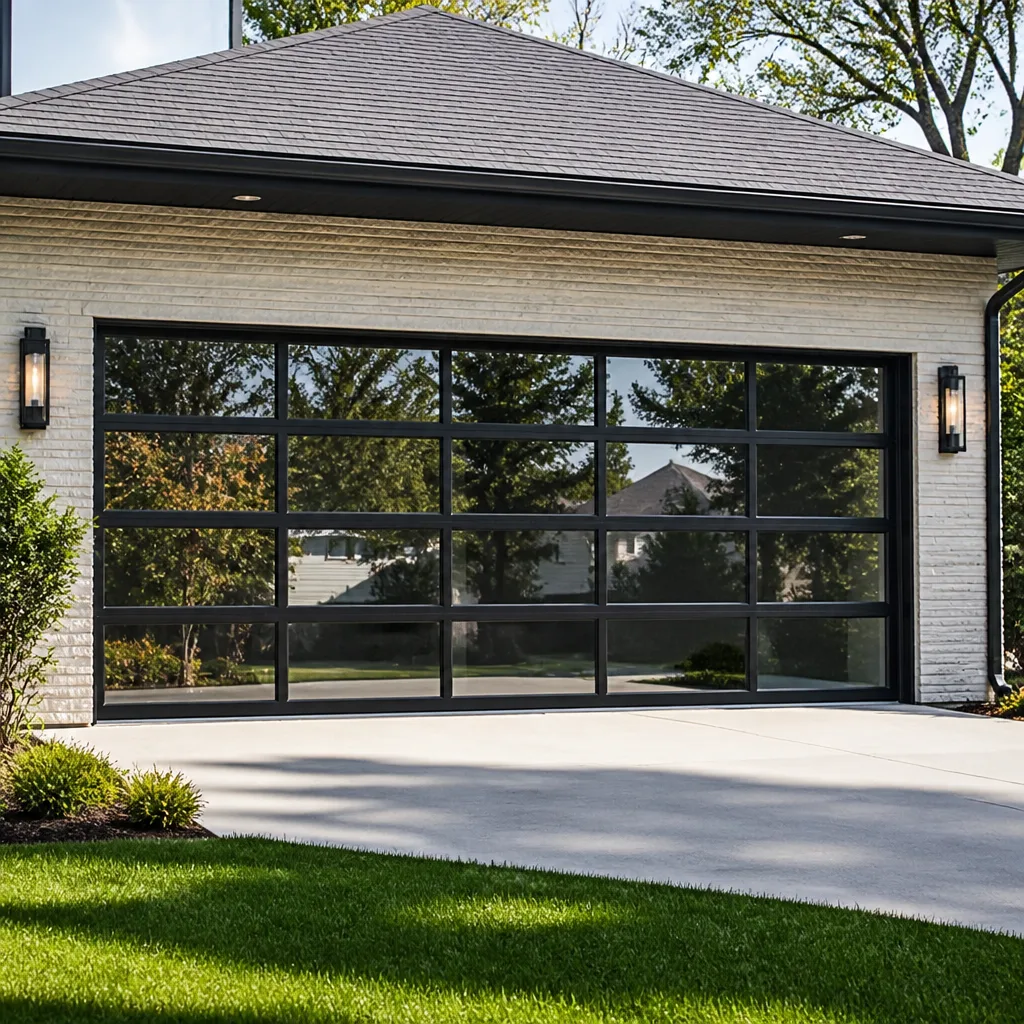 Full-view glass
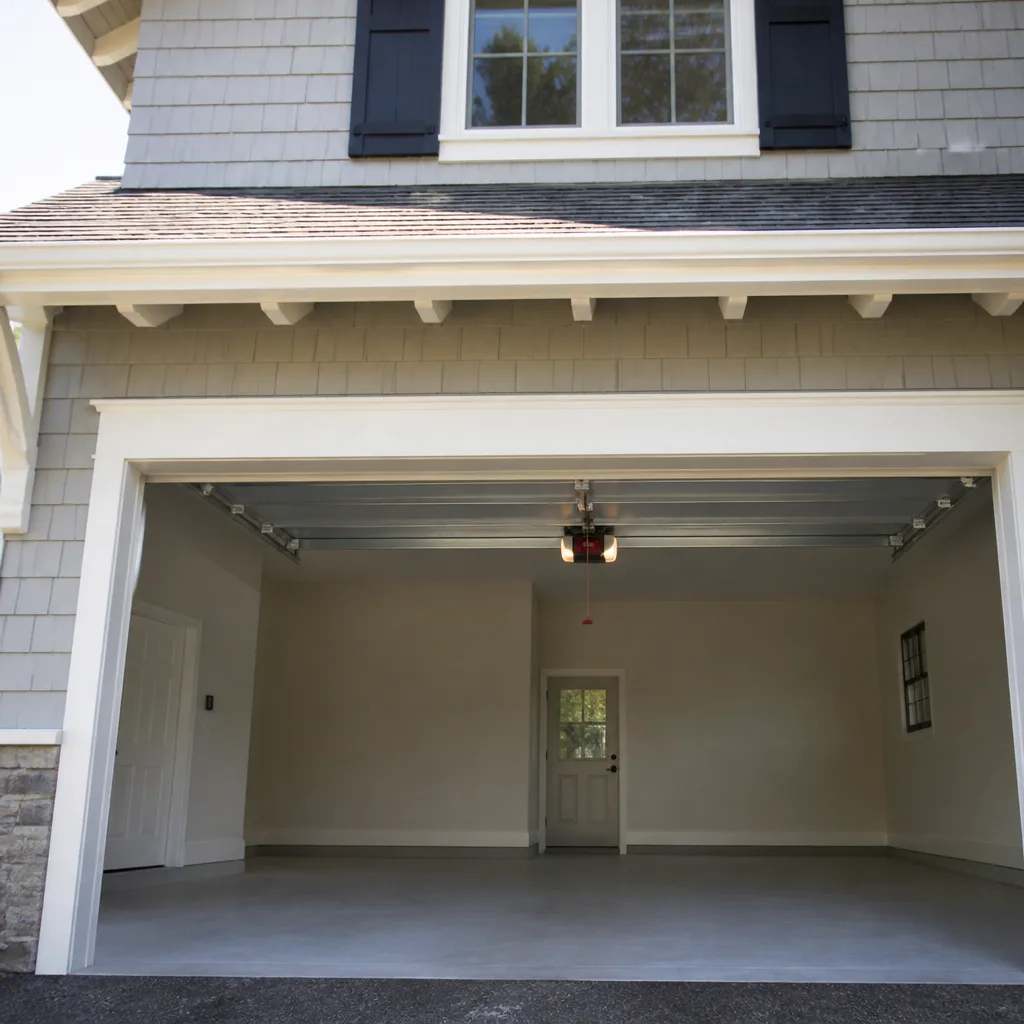 LiftMaster openers
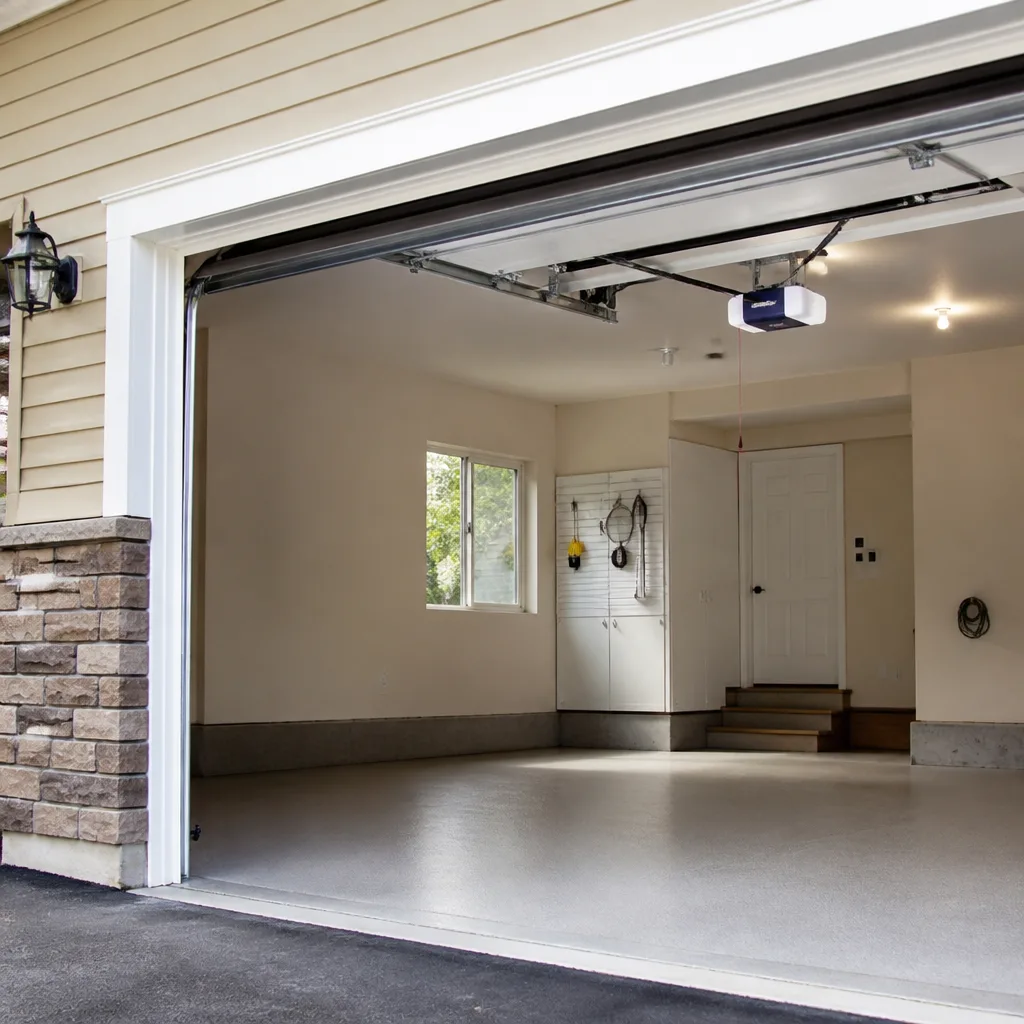 Chamberlain openers
Full 25-point door and opener safety check with every visit - springs, cables, rollers, tracks, and your LiftMaster or Chamberlain opener included
You get a price before we start. It does not change when the pro arrives.
Get your free estimateSeasonal Garage Door Care for Parma: Year-Round Homeowner’s Guide
Most Parma homeowners think winter is what kills a garage door. It isn’t. Spring is when we see the most failures, and it’s almost never because of damage done in January and February. It’s because the post-winter inspection gets skipped. A door that survived the freeze with a hairline crack in the bottom seal or a track knocked slightly out of plumb gets pushed through April, May, and June, the busiest months for daily use, until something gives. This guide breaks garage door care into the four seasons Parma actually has, with a 12-month calendar you can print and hang on the garage wall. By the end, you’ll know what to check each season, what to leave to a trained technician, and why a 20-minute look in March saves a much bigger repair in June.
Quick Answer
Garage door care in Parma works best as four short seasonal checks, not one annual event. In spring, inspect bottom seals, tracks, and springs after the freeze; in summer, watch wood panels and expansion gaps; in fall, adjust cables, weatherstrip, and opener force settings before cold sets in; in winter, know how to use the manual release safely and ease strain on an undertightened spring. Twenty minutes per season prevents most of the failures we get called out for in Parma.
Styles & brands we work with
- Raised-panel steel
- Carriage house
- Modern flush
- Full-view glass
- LiftMaster openers
- Chamberlain openers
Table of Contents
- Why Parma’s Four Seasons Create Four Different Failure Modes
- Spring: The Post-Freeze Inspection That Most Homeowners Skip
- Summer: Humidity, Wood Panels, and Expansion Gaps
- Fall: The Pre-Winter Prep Sequence That Actually Matters
- Winter: Manual Release Safety and Cold-Snap Motor Strain
- Your Printable 12-Month Garage Door Calendar
- Common Mistakes to Avoid
- When to Call a Professional
Why Parma’s Four Seasons Create Four Different Failure Modes
A garage door is a system of moving parts that expands, contracts, and flexes with temperature and humidity. In a place with a mild, stable climate, that system stays roughly in the same shape all year. Parma isn’t that place. Our summers run humid, our winters freeze hard enough to move the ground under a slab, and the transition months bring rapid swings between the two. Each of those conditions stresses a different part of the door.
Spring and fall are the swing seasons, and they do the most quiet damage. Ground that freezes and thaws shifting under the garage slab is what pushes a track out of plumb. Weeks of summer humidity swell wood panels and change panel gaps. A single hard freeze strains a spring that was already tired. None of these failures announce themselves. They build until the door jams, the opener strains, or a spring pops.
That’s the core argument for seasonal care instead of an annual tune-up: matching the check to the season. Here’s the rough pattern we see:
- Spring: seal cracks, track misalignment from frost heave, spring fatigue.
- Summer: wood panel swelling, binding, expansion gaps that close up.
- Fall: cable tension, weatherstrip wear, opener force settings before the cold.
- Winter: manual release use, opener motor strain on cold mornings, frozen seals.
Treat those as four separate jobs and you’re always ahead of the failure. Treat the door as a set-it-and-forget-it system and you’re always reacting. Our technicians have up to 8 years of experience across the residential brands most Parma garages run, and almost every call we make is a failure a seasonal check would have caught.
Spring: The Post-Freeze Inspection That Most Homeowners Skip
Spring is the highest-risk season for a Parma garage door, and it’s the inspection most homeowners don’t do. The freeze is over, so the assumption is that the door survived. What actually happened is that the freeze left small problems behind, and the busiest use months are about to push them. A 20-minute check in late March or early April catches three specific things.
1. Cracked or separated bottom seals
The bottom seal takes the brunt of every freeze. Water gets between the seal and the concrete, freezes, and forces a split that you won’t notice unless you look. Run your hand along the bottom edge and look for cracks, gaps, or a seal that’s pulling away at the corners. A cracked seal lets water, cold air, and pests into the garage all summer.
2. Misaligned tracks from frost heave
When the ground freezes and thaws under a garage slab, it can shift slightly. That shift often nudges the vertical tracks out of plumb. Stand inside the garage, look straight up at each track, and check whether it looks parallel to the door edge. A door that rubs or hesitates in one spot is usually a track issue, not an opener issue.
3. Spring fatigue
Springs lose tension gradually, and a cold winter accelerates it. If your door feels heavier than it used to when you lift it manually, or if the opener is working harder to lift it, the spring is likely fatigued. Spring work is dangerous and belongs to a trained technician; if you suspect fatigue, get it looked at rather than testing it yourself. Never attempt to adjust, remove, or replace a torsion spring yourself. High-tension springs and cables can cause serious injury. Our spring repair is a dedicated service for exactly this reason.
The single most effective thing you can do for a Parma garage door in spring is a post-freeze check of those three areas, plus a quick wipe of the tracks and a look at the rollers. If anything looks off, a free estimate is cheaper than a June breakdown.
Summer: Humidity, Wood Panels, and Expansion Gaps
Summer in Parma is humid, and humidity is hard on a garage door in ways most homeowners don’t think about. Wood panels absorb moisture, swell, and change the gap between panels. Steel and aluminum doors don’t swell, but the humidity still affects the seals between panels and the weatherstrip. The net result is a door that starts binding, rubbing, or hesitating in late July, when the humidity has had weeks to work.
Here’s what to check in summer:
- Wood panel doors: look for swelling at the panel edges and gaps that have gotten noticeably tighter than they were in spring. A panel that’s binding is a panel that’s absorbing too much moisture. Sealing and re-painting the door before the next humid stretch protects it.
- Expansion gaps at the tracks: the gap between the door and the track should stay roughly even as the door moves. If one side looks tighter in July than it did in April, the door is binding and the opener is working harder to compensate.
- Weatherstrip at the bottom and sides: summer is a good time to check that the weatherstrip is intact, not cracked, and still making contact with the ground.
- Opener force settings: if the door is binding from humidity, the opener is likely straining. Don’t just crank the force setting up to compensate; fix the binding first.
Older wooden panels are the most vulnerable, and Clopay and Amarr wood-look doors are common in Parma garages. If the door is binding and the panels are swelling, it’s worth getting it looked at before fall. Our garage door repair call-outs in summer are frequently this exact problem: a door that was fine in May and is rubbing in August.
Fall: The Pre-Winter Prep Sequence That Actually Matters
Fall is the season where a 20-minute check prevents the most expensive winter failures. The sequence matters: do these in order, and you’ll walk into winter with a door that’s ready for the cold.
- Check the cables first. Look at both the lift and the safety cables on each side. They should be taut, not frayed, and not showing wear at the drum. Cable work is a professional job; a frayed cable can snap under tension and cause serious injury, so if you see wear, stop and call.
- Inspect and replace the weatherstrip. The bottom seal and the side weatherstrip are what keep cold air, snow, and moisture out of the garage. Fall is the natural time to replace a worn bottom seal, before the first freeze cracks it further. Replacement is a straightforward job once the correct size is confirmed.
- Set the opener force and travel limits. The opener should lift the door smoothly without straining and stop cleanly at the top. If the door is off, or the opener hesitates, the force and travel settings need attention. These settings exist as a safety feature, so adjustments should be made carefully or handed to a technician. We handle opener force and travel adjustments as part of garage door opener repair.
- Lubricate the moving parts. Rollers, hinges, and the spring (where the manufacturer specifies) get a light application of the right lubricant. Never lubricate tracks, which need to be clean and dry for the rollers to grip.
- Test the safety reverse. Put a small object in the door’s path and check that the door reverses. This is the single most important safety test on the whole system, and fall is the natural time to run it.
Doing those in that order means a Parma garage door walks into winter with cables in good shape, weatherstrip sealing, an opener that isn’t straining, and a safety reverse that works. If any one of them is off, the cold will make it worse.
Winter: Manual Release Safety and Cold-Snap Motor Strain
Winter puts two specific stresses on a Parma garage door: power outages and cold-snap opener strain. Both are manageable if you know what to do and what not to do.
Manual release during a power outage
Every opener has a manual release, usually a red cord hanging from the carriage. During a power outage, you pull it to disengage the door from the opener so you can lift it by hand. Two safety rules matter here. First, only pull the release when the door is fully closed and the door is under control; if the door is up or the spring is weak, the door can drop. Second, once the power is back, the door needs to be re-engaged before the opener will work normally. If you’re not sure how to re-engage it safely, that’s a reason to call.
Cold-snap opener motor strain
Cold makes metal contract and grease stiffen. A spring that’s slightly undertightened in October feels much heavier in January. The opener compensates by working harder, which strains the motor and can trip the force safety and leave the door half-open. The fix isn’t to turn the force setting up to compensate; the fix is to address the undertightened spring before the cold makes it a failure.
Winter is also when a frozen bottom seal can crack or tear, and when a door that’s slightly misaligned goes fully off. If the door won’t open on a cold morning, don’t force it. Call and describe what it’s doing, and a technician can tell you whether it’s a simple reset or a spring issue.
In a month-long cold snap, Wayne Dalton and Craftsman openers are the most common setups in Parma garages, and both handle cold the same way: smoothly if the spring is right, with strain if it isn’t. Keeping the spring healthy is the winter job.
Your Printable 12-Month Garage Door Calendar
Here’s the full-year sequence in one place. Print it, or copy it onto a note and stick it inside the garage door. It’s written so each month’s task is a five-minute check plus a professional call where needed.
January
- Listen to the opener on cold mornings. Any hesitation or strain is a sign the spring is undertightened.
- Check the bottom seal for cracking after deep freezes.
February
- Test the manual release (with the door closed) so you know how it works before you need it.
- Clear snow and ice from the bottom seal and tracks; never force a frozen door.
March
- Post-freeze inspection: bottom seal cracks, track alignment, spring fatigue.
- Wipe tracks clean and check rollers for flat spots.
April
- Test the safety reverse.
- Lubricate rollers and hinges.
- Schedule a free estimate if anything in the March check looked off.
May
- Wash and inspect the door panels; touch up paint or sealant on wood doors before the humid stretch.
- Check that the weatherstrip still makes contact with the ground.
June
- Watch for binding as humidity climbs; check expansion gaps at the tracks.
- Re-check opener force if the door feels heavier.
July
- Inspect wood panels for swelling and gaps.
- Re-seal wood doors early if they’re absorbing moisture.
August
- Check that the door isn’t rubbing; note any new noises.
- Clean and lubricate rollers.
September
- Fall prep begins: inspect cables for wear and fraying (visually only; do not touch).
- Replace worn bottom and side weatherstrip.
October
- Adjust opener force and travel limits if the door is hesitating.
- Test the safety reverse again before winter.
- Schedule a service if the spring feels weak.
November
- Final pre-winter check of seals, tracks, and opener.
- Clear the garage of anything that could block the door’s travel.
December
- Keep the seal clear of snow and ice.
- Know the manual release procedure for power outages.
That’s the full year. The spring and fall months carry most of the weight, and the summer and winter months are mostly about catching what the swing seasons left behind. A Parma homeowner who follows this calendar avoids most of the failures that turn into emergency calls.
Common Mistakes to Avoid
- Treating garage door care as one annual event. A single spring tune-up misses the four distinct failure modes our seasons create. A 20-minute check each season is what actually prevents breakdowns.
- Skipping the post-winter inspection. The freeze leaves small problems: cracked seals, nudged tracks, tired springs. Walking into the busy months without checking means you’re pushing a compromised system.
- Cranking up the opener force to compensate for a binding door. If the door is binding from humidity or a weak spring, raising the force setting hides the problem and strains the motor. Fix the binding first.
- Forcing a frozen door. A door frozen to the ground or a frozen seal should never be forced open. It tears the seal and strains the opener. Clear the ice first.
- Testing or adjusting the torsion spring yourself. Springs and cables are under high tension and cause serious injury. A visual check yes, adjustment no. This is a job for a trained technician.
- Lubricating the tracks. Tracks should be clean and dry. Lubricant makes the rollers slip, which causes the door to bind and run off.
- Ignoring a humid summer until fall. A wood door that swells in July and binds in August usually needs a repair by October. Catching the swelling early saves the panel.
When to Call a Professional
Some seasonal checks are for you, and some should go straight to a technician. Call a professional if you see a frayed or worn cable, if a spring looks or feels fatigued, if the door won’t lift smoothly by hand, if the opener is straining or hesitating, if the door has come off its track, or if the safety reverse doesn’t work. Those are the situations where a five-minute fix becomes a much bigger repair if you wait. If the door is trapped or the home isn’t secure, emergency garage door service is available. Parma Garage Door Repair Co offers free estimates in Parma, and we work on the brands most local garages run: Clopay, Amarr, Wayne Dalton, Craftsman, LiftMaster, Chamberlain, Genie, and Raynor. Call (844) 900-3998 for a free estimate. The price is quoted and agreed before any work starts, so there’s no surprise invoice.
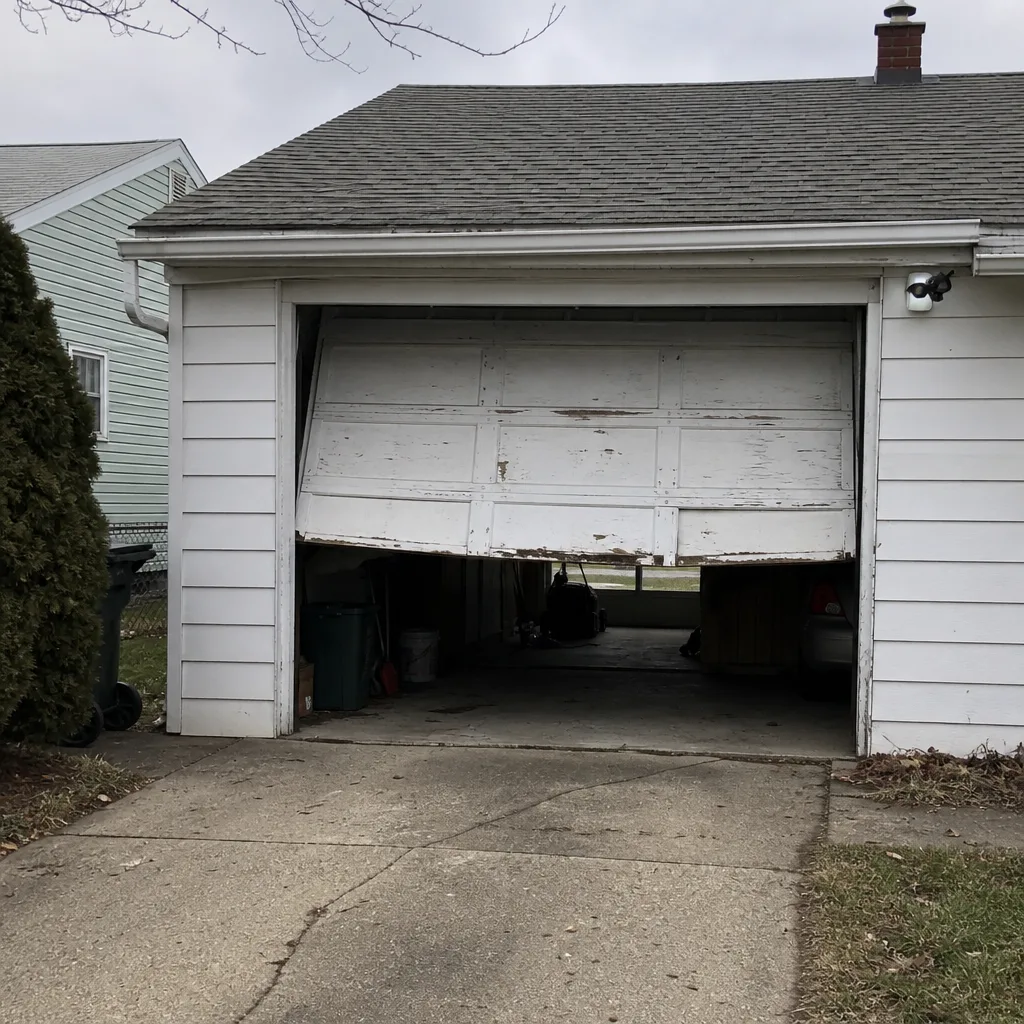
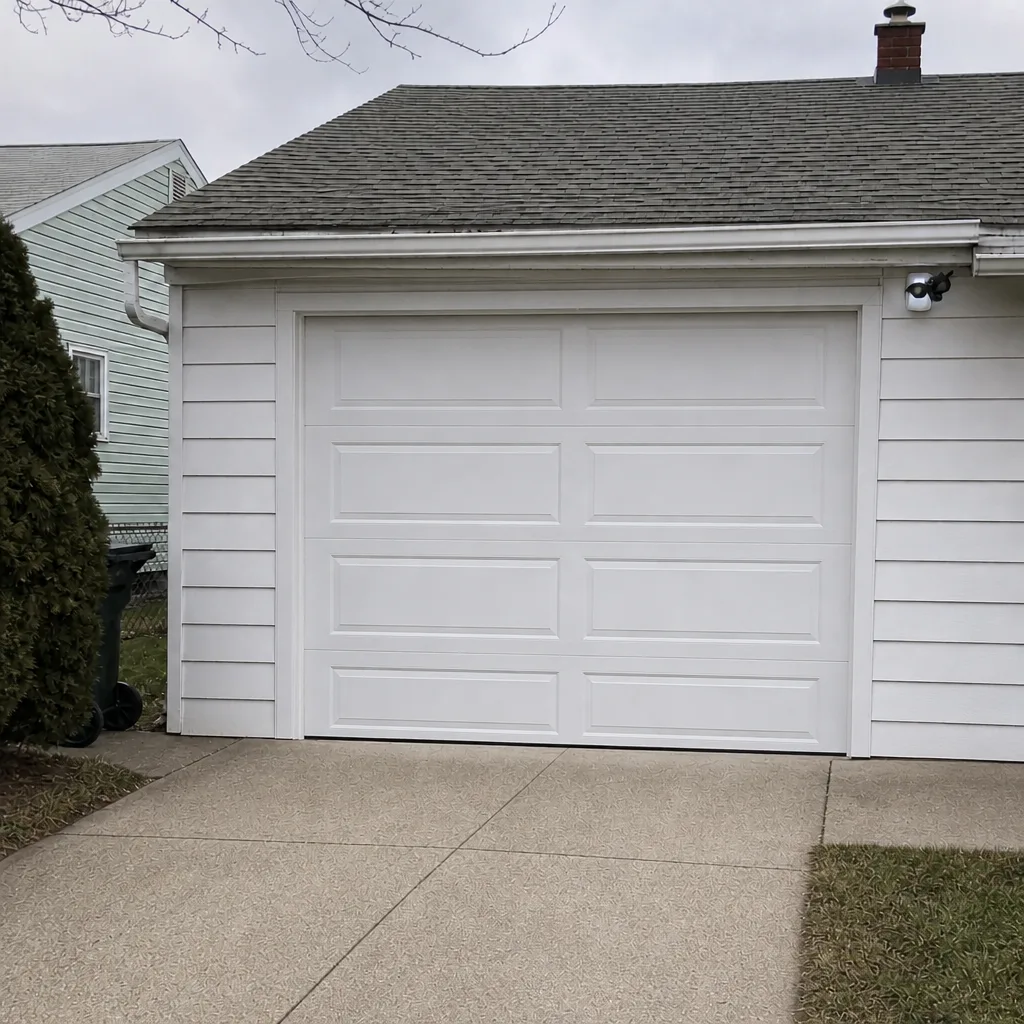
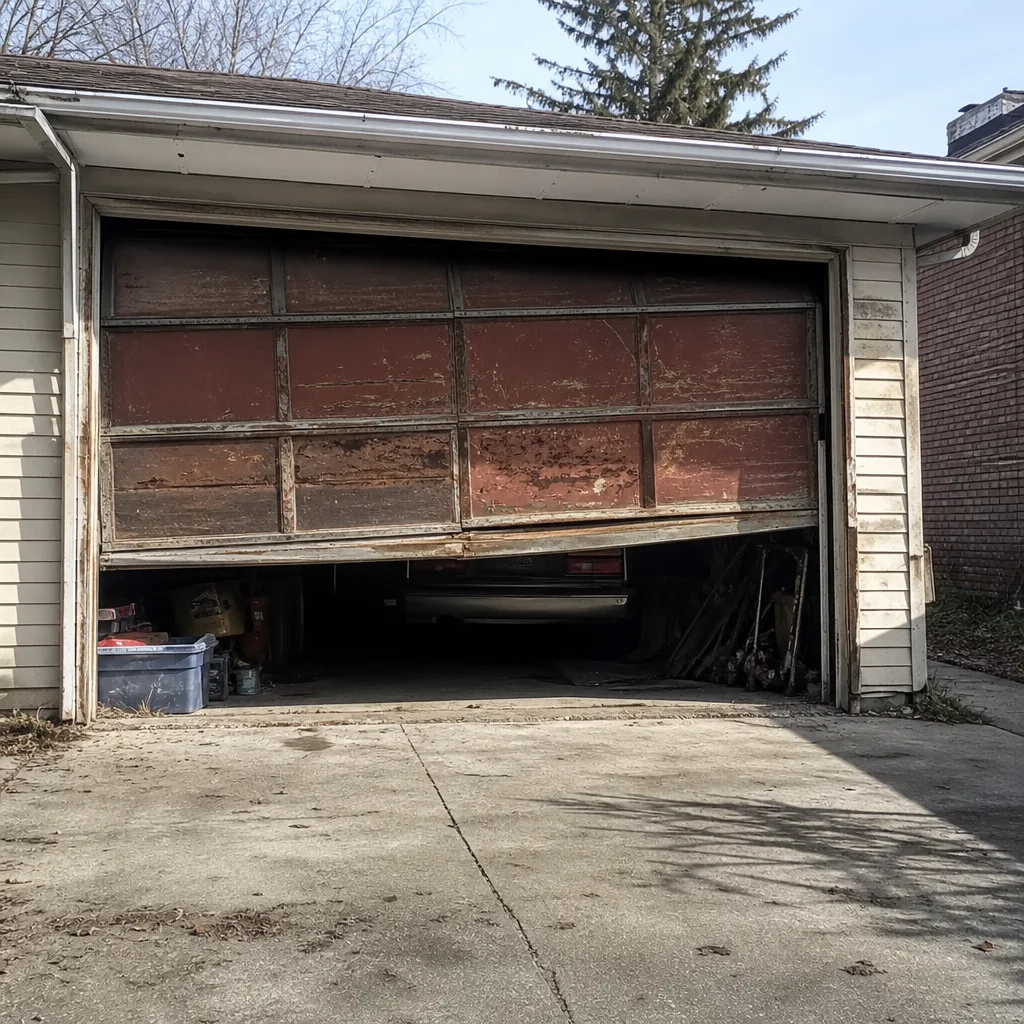
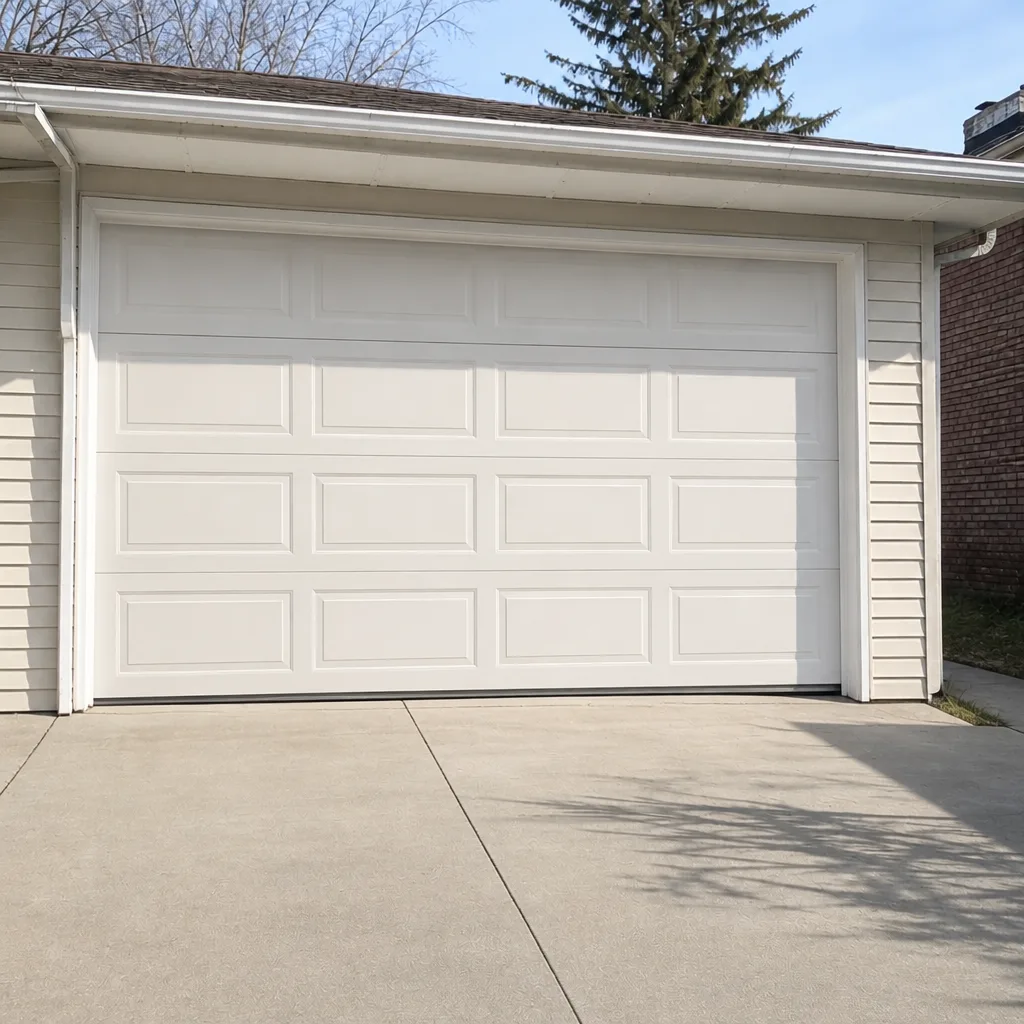
See the difference
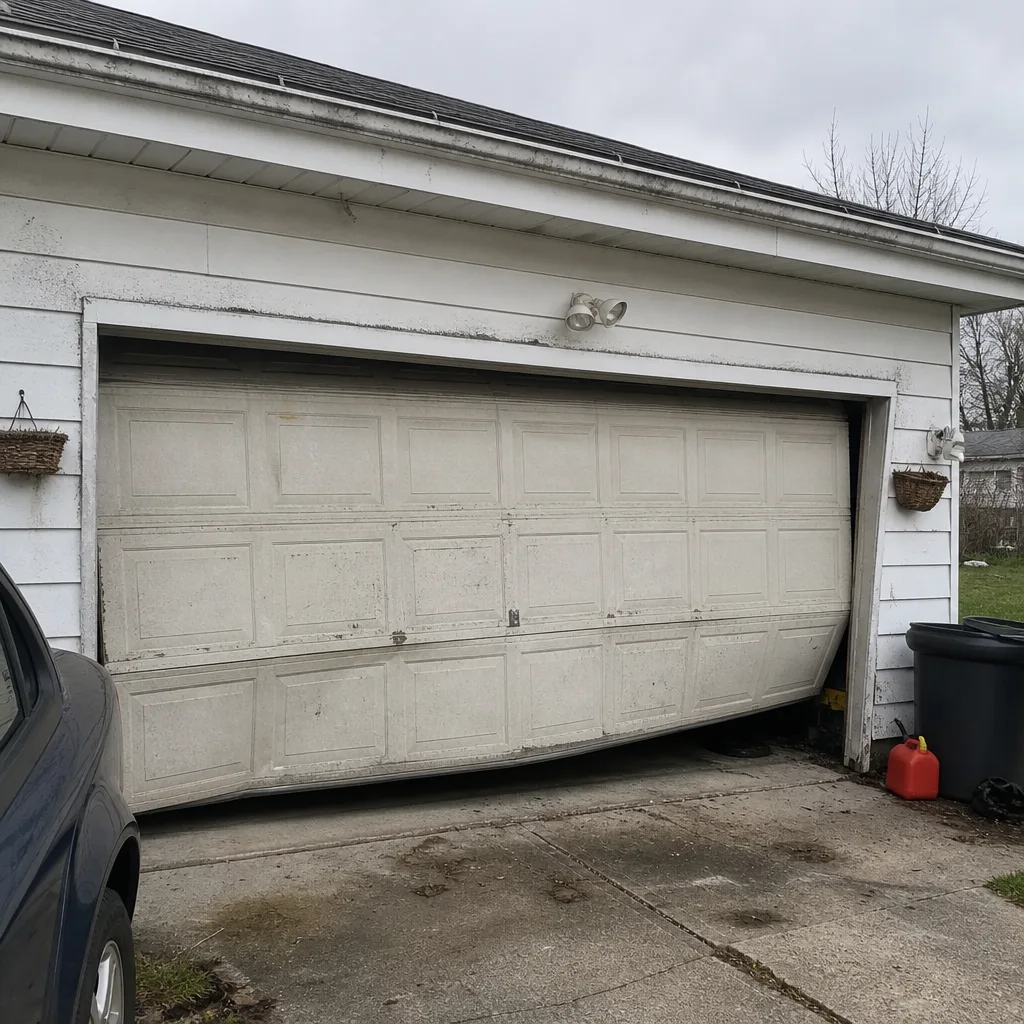 Before
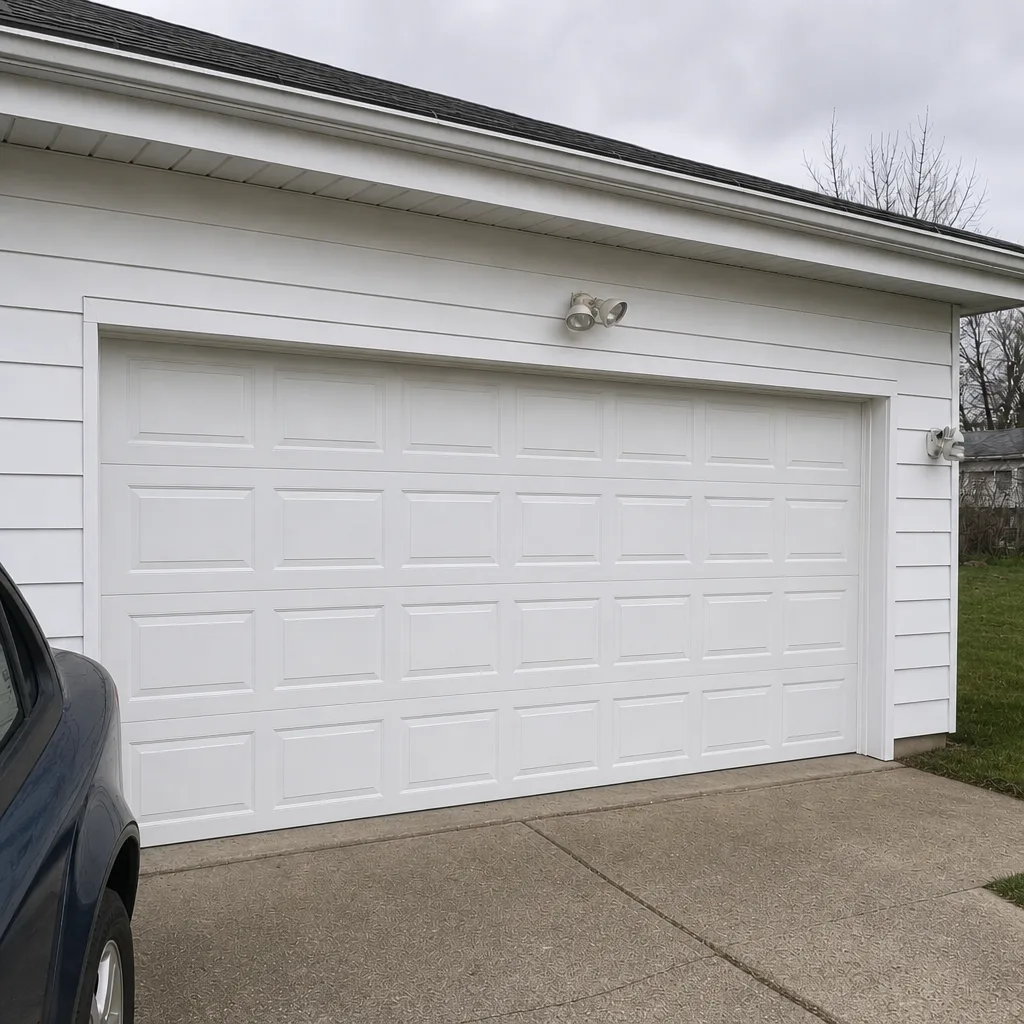 After
 Before
 After
 Before
 After
Frequently Asked Questions
Four short seasonal checks a year, with a professional service when any check turns up a problem. Parma’s freeze-thaw cycles and humid summers stress different parts of the door in different seasons, so a spring check and a fall check do most of the work, and a summer look catches humidity binding before it becomes a repair.
Because the post-winter inspection gets skipped. The freeze leaves behind small problems, like a cracked bottom seal, a track nudged out of alignment, or a fatigued spring. Homeowners push a compromised system through the busiest use months, and something gives in April or May.
The spring tension and the bottom seal. A spring that’s slightly undertightened in October feels much heavier in January and strains the opener. A worn bottom seal cracks in the first freeze. Check both in fall, and get the spring looked at if the door feels heavier than it used to.
It often is, especially on a wood panel door. Wood absorbs moisture and swells, which closes the expansion gaps and makes the door bind. Check the panel edges and the gap at the tracks. If the door is binding, don’t raise the opener force to compensate; get the binding looked at before fall.
No. Torsion springs are under high tension and can cause serious injury if handled incorrectly. A visual check that the spring isn’t broken is fine, but any adjustment or replacement should be done by a trained technician. Our spring repair service exists for exactly this reason.
Use the manual release, but only with the door fully closed and under control. Pull the red cord hanging from the opener carriage to disengage it, then lift the door by hand. If the door is up or the spring feels weak, don’t pull the release, because the door can drop. When the power returns, re-engage the door before using the opener.
Yes. Wood doors that swell in humidity usually need either a repair of the binding panels or a replacement of worn seals and weatherstrip. We work on Clopay and Amarr door systems and can give you a free estimate on either option, with the free estimate and the scheduled work always priced in writing first.
No. The calendar in this guide is about keeping a sound door sound, not replacing it on a fixed schedule. Replacement makes sense when the door’s structure is failing or the opener and door are mismatched. We’ll tell you honestly which situation you’re in, and a free measure and written price is the starting point.
The Bottom Line
Garage door care in Parma is four seasons of short checks, each matched to a different failure mode. Spring is the post-freeze inspection, when cracked seals, shifted tracks, and fatigued springs need to be caught. Summer is about humidity and binding on wood panels. Fall is the pre-winter sequence: cables, weatherstrip, opener force, and the safety reverse. Winter is manual release know-how and easing strain on the spring. Put the 12-month calendar on your garage wall, do the 20-minute check each season, and hand anything involving springs or cables to a trained technician. That’s the whole system, and it prevents most of the emergency calls we get in Parma.
If something on your seasonal check looks off, or you’d rather have a technician run the check for you, call Parma Garage Door Repair Co at (844) 900-3998 for a free estimate. We work on your brand, whether that’s Clopay, Amarr, Wayne Dalton, Craftsman, LiftMaster, Chamberlain, Genie, or Raynor, and we’ll give you a written price before any work starts.
Written by the team at Parma Garage Door Repair Co.